
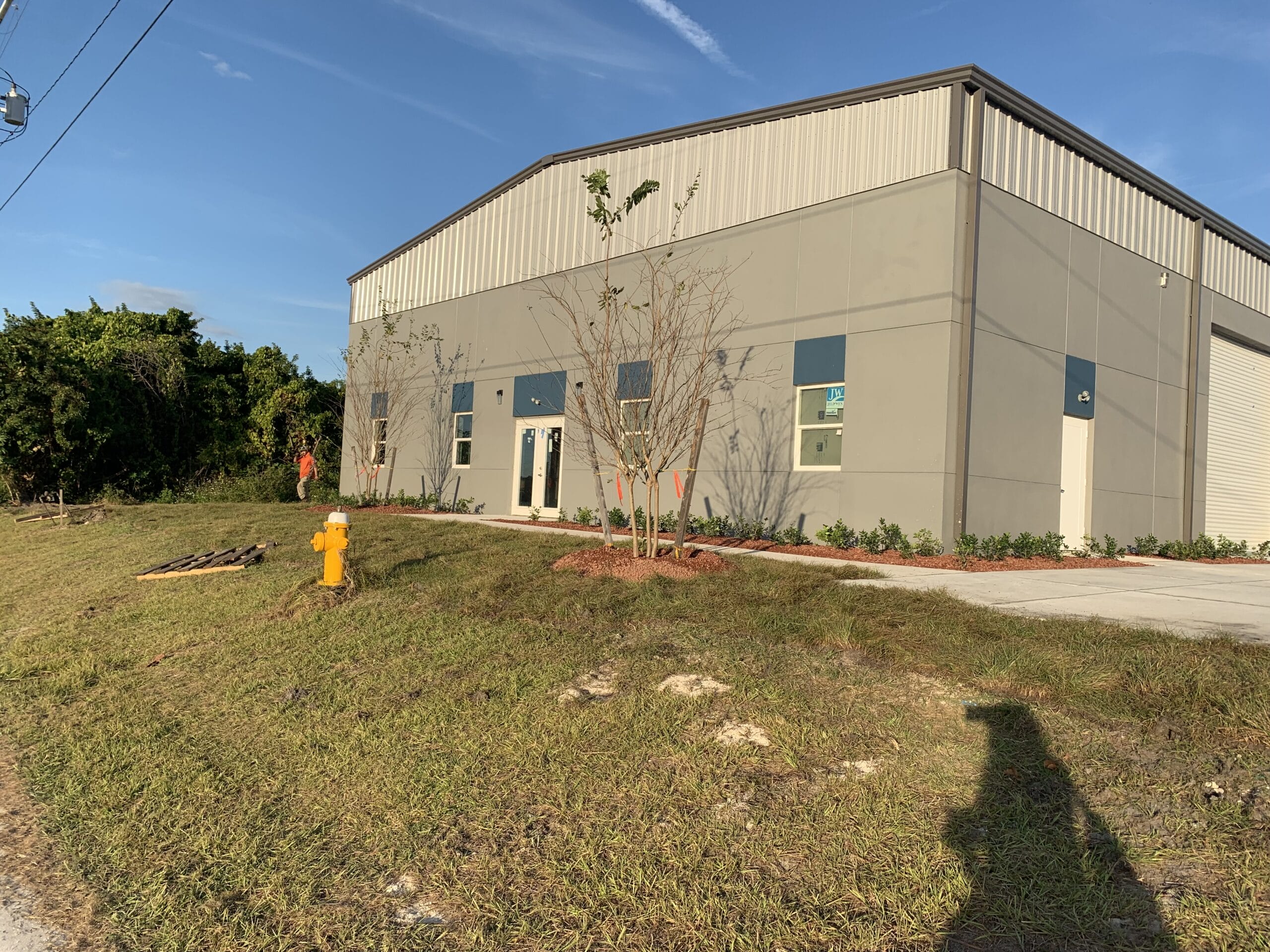
TL;DR: An accurate steel building price quote depends entirely on how much real information you give the supplier. Five inputs (dimensions, location, foundation, use, code data) move a generic “ballpark” into a buildable number you can actually budget around.
A steel building price quote is the supplier’s best estimate of what your building will cost based on the information you provide at the moment of inquiry. The accuracy of that number scales directly with the accuracy of your inputs.
A vague “I want a 60×100 commercial building somewhere in Texas” produces a wide range. A specific request with dimensions, building location, intended use, code data, foundation plan, and finish package produces a number that’s close enough to commit to.
This guide walks through the inputs that matter, why each one moves the price, and what to assemble before you fill out a quote form so the request a steel building quote you receive is something you can actually act on.
A ballpark number that ignores your code requirements and foundation plan is often misleading by 20% or more. Buyers who plan against the ballpark and discover the gap during permitting either kill the project or push to a different supplier mid-process. Both outcomes cost time and money.
The fix is upfront precision. Ten minutes assembling project data before the quote returns a price you can present to ownership, share with the lender, and use to size the construction loan. That’s a different conversation than “we got a number, let’s see if it holds.” Suppliers know this. Detailed quote requests get detailed responses; vague requests get hedged ranges that protect the supplier and frustrate the buyer.
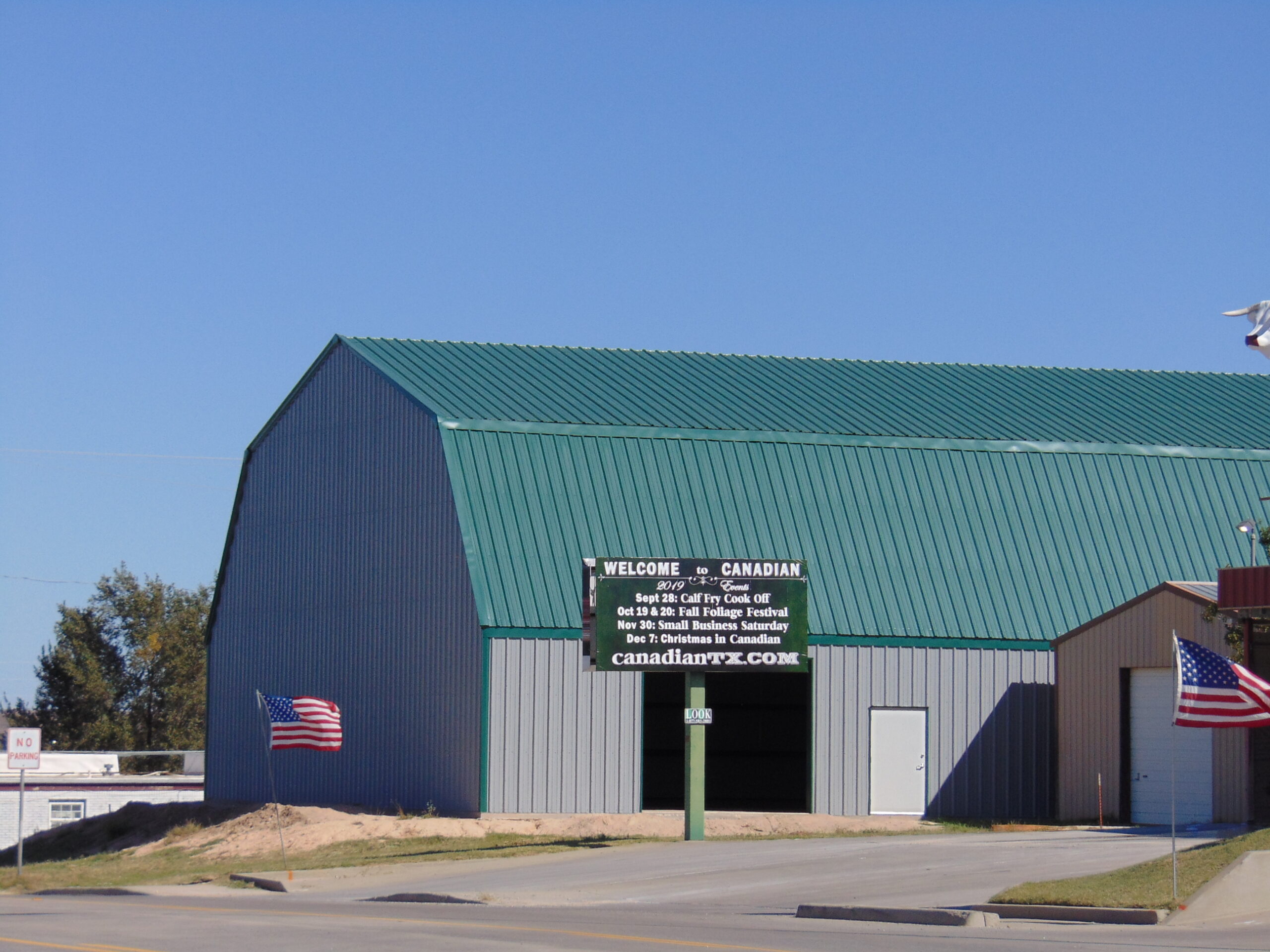
Width, length, eave height, and roof pitch are the four dimensions every quote needs. Width has the largest single effect on price because it drives the clear-span structural design for the rigid frame. A 60-foot clear-span building uses substantially less steel than a 100-foot clear-span building, and the cost difference per square foot is non-linear.
Eave height matters more than buyers usually expect. The standard 16-foot eave handles most commercial work. Going to 20 or 24 feet opens the door to mezzanines, crane loads, and tall equipment, but it adds steel weight and wind exposure. If you’re planning a future mezzanine, specify it now.
Roof pitch is the smallest pricing lever of the four, but it interacts with snow load: steeper pitches shed snow but cost more in panel material. Suppliers default to a 1:12 or 2:12 pitch unless you specify.
Location drives three pricing variables simultaneously: shipping cost, code requirements, and snow/wind/seismic loads. A 60×100 building in Houston costs differently than the same building in Denver because Houston needs higher wind load engineering and Denver needs higher snow load engineering. Neither cost is hidden, both are engineered in.
Florida coastal counties carry High Velocity Hurricane Zone (HVHZ) requirements that push wind code well above the national baseline. Mountain West and northern states carry snow load requirements that increase steel weight. Including the project ZIP code lets the supplier pull the right ASCE 7 wind and snow values from the start.
Shipping cost is the third variable. MBMI ships nationwide from our warehouses, and shipping varies from a few thousand dollars for nearby projects to fifteen thousand or more for distant projects. The quote includes shipping; the location determines the line item.
The biggest single tell of a real buyer vs. a tire-kicker is whether the intended use is specified. “Commercial building” is a starting point. “Vehicle fleet maintenance facility with two service bays and a parts room” is engineering-ready. The use case determines floor load requirements, door type and size, ventilation, fire rating, and whether the building qualifies for the buyer’s intended occupancy classification.
A few example use-case modifiers and their pricing impact:
MBMI’s commercial steel construction lineup covers the full set of commercial uses, with agricultural, hangar, and equestrian falling under the same commercial engineering envelope. Specifying the use at quote time pulls the right base package and avoids change orders later.
The foundation is the single largest cost item not included in most “steel building only” quotes. A concrete slab for a 60×100 building can run from $30,000 to $80,000+ depending on thickness, reinforcement, and site preparation. MBMI does not pour foundations.
The buyer hires a local concrete contractor for the slab. Knowing whether your foundation contractor is in place when the quote arrives helps you sequence the project, since the foundation has to be poured and cured before the building can be erected.
Site condition matters too. A flat, compacted, accessible site is different from a sloped or wet site that requires fill, retaining, or pier foundations. If you have a survey or geotechnical report, including it with the quote request lets the supplier produce a foundation recommendation that won’t be invalidated by site conditions.
ASCE 7 wind and snow loads drive the engineered steel weight more than any other single factor. Default values are conservative but generic. If you have specific local code requirements, such as county or municipal amendments, increased seismic zones, hurricane code, or fire separation distance from neighboring structures, including them on the quote form gets you an engineered package that will permit the first time. A quote that doesn’t include the local code amendments often comes back fast but fails permitting, which costs weeks and re-engineering fees.
Before you click submit on a quote form, have these answers ready:
Filling these out moves the quote from “we’ll get back to you with a range” to “here is the engineered quote with line items you can hand to the GC.”
A real steel building quote (vs. a marketing flyer) includes a written breakdown of:
If the quote you receive is missing line items, ask. Real suppliers expect the question and answer in detail.
Suppliers don’t bill more for accurate quotes than vague ones. The work is similar. The difference is on the buyer’s side: a quote built on specific inputs becomes the basis of the order with minimal change orders. A quote built on vague inputs becomes the start of a negotiation that lasts through permitting.
For commercial projects, the carrying cost of a delayed start (rent on the existing facility, deferred revenue from the new facility) often exceeds the cost of the quote process by an order of magnitude. Putting an extra hour into the quote request is the highest-ROI hour in the project.
For the technical wind and snow load reference that drives the engineering line item, the ASCE 7 Standard for Minimum Design Loads is the underlying code most building departments adopt by reference. Knowing your ASCE 7 wind and snow values for the site is the single most useful piece of code data you can include with a quote request.
Pre-engineered commercial steel buildings typically run $18 to $35 per square foot for the building only (frame, panels, basic doors). Adding insulation, premium colors, custom doors, or specialty foundations pushes the per-foot number higher. The total depends on size, code requirements, and use; the only way to get a real number is to request a quote with specific inputs.
A quote is supplier-prepared with engineered specs and a price that’s typically valid 30 days; an estimate is a directional range based on rough inputs. Use a quote for budgeting decisions and lender conversations; use an estimate only for go/no-go feasibility.
Wind code, snow code, and seismic code all drive steel weight, which drives material cost. A coastal Florida building has high wind load and low snow load. A Colorado mountain building has the opposite. Shipping cost adds another regional variable.
Usually not. Most building-only quotes assume the buyer has a local concrete contractor handle the foundation.
Typical validity is 15 to 30 days from issue. Steel commodity pricing moves regularly enough that suppliers can’t hold prices indefinitely. If you need to extend a quote past 30 days, ask the supplier directly.