
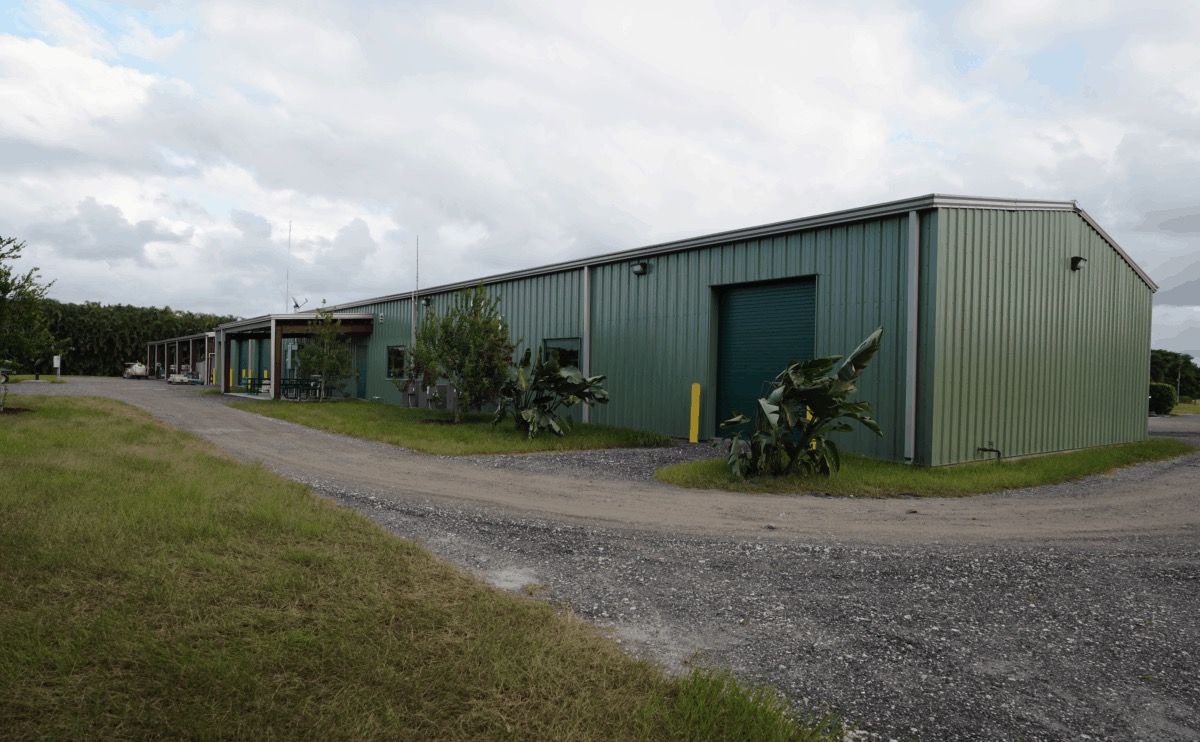
TL;DR: Right-sizing a farm or ranch building comes down to clearances, eave height, and door width. Here is how to lay out the numbers before you buy.
Sizing an agricultural steel building is an exercise in clearances: how much room your equipment needs to move, how high a combine sits with its cab, and how wide a door has to be so nobody folds a mirror to get inside. A building that looks generous on paper can feel cramped the first time you back a planter through a tight opening. The goal is to measure what you actually own, add working space around it, and then plan for the equipment you will buy in the next decade. Getting the layout right on the front end costs nothing but attention, while getting it wrong means living with a building that fights you every season.
Every layout begins with an inventory. Measure the length, width, and height of your largest machines, including anything that folds up for transport, because folded width still determines how a piece fits through a door. A useful method from agricultural engineers is to sum the floor area of every item you plan to store, then multiply by roughly 1.15 to account for the space between machines. That single step turns a wish into a working footprint.
Clearance between equipment is not wasted space. Leaving working room around each machine lets you service it, walk a full loop for inspection, and pull one piece without shuffling three others. A building sized right to the metal becomes a puzzle you solve every time you need the machine parked in back.
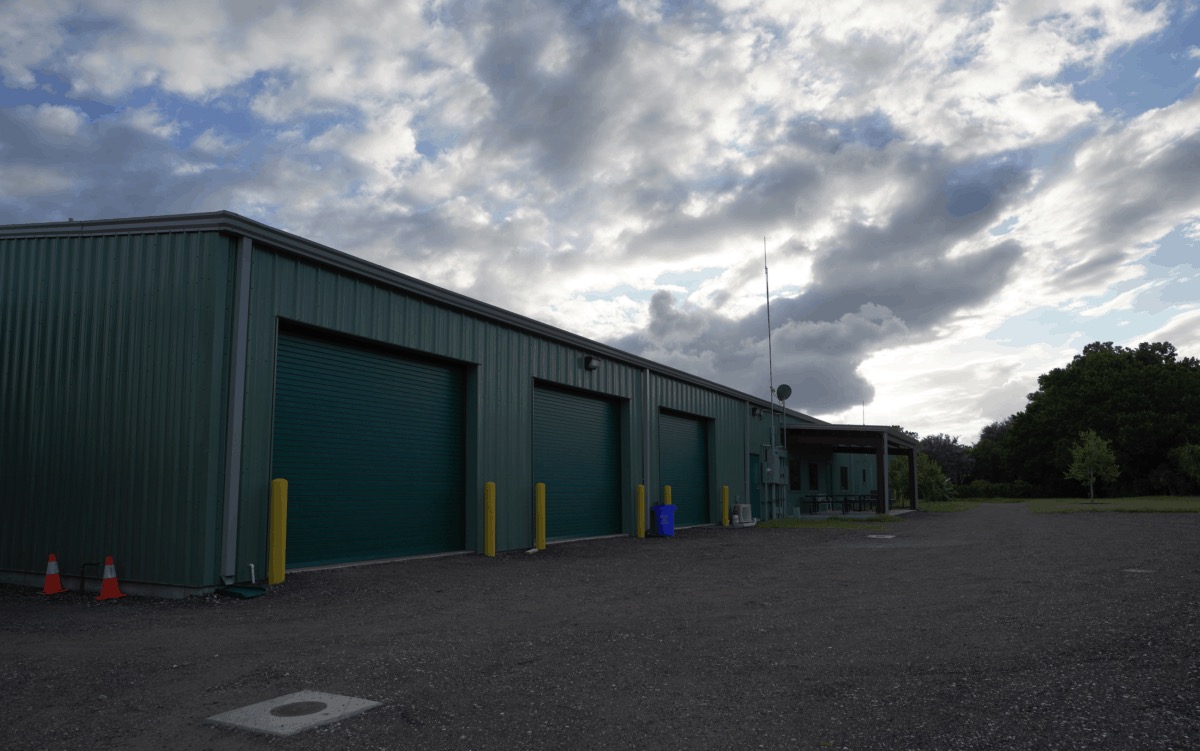
Height is where sizing mistakes hurt most, because you cannot add it later without major surgery. Modern tractors and combines with cabs and exhaust stacks sit far taller than older equipment, and a low eave forces you to store the biggest machines outside. Virginia Cooperative Extension recommends that eave height for a farm storage building be at least 14 feet, and taller if your equipment demands it.
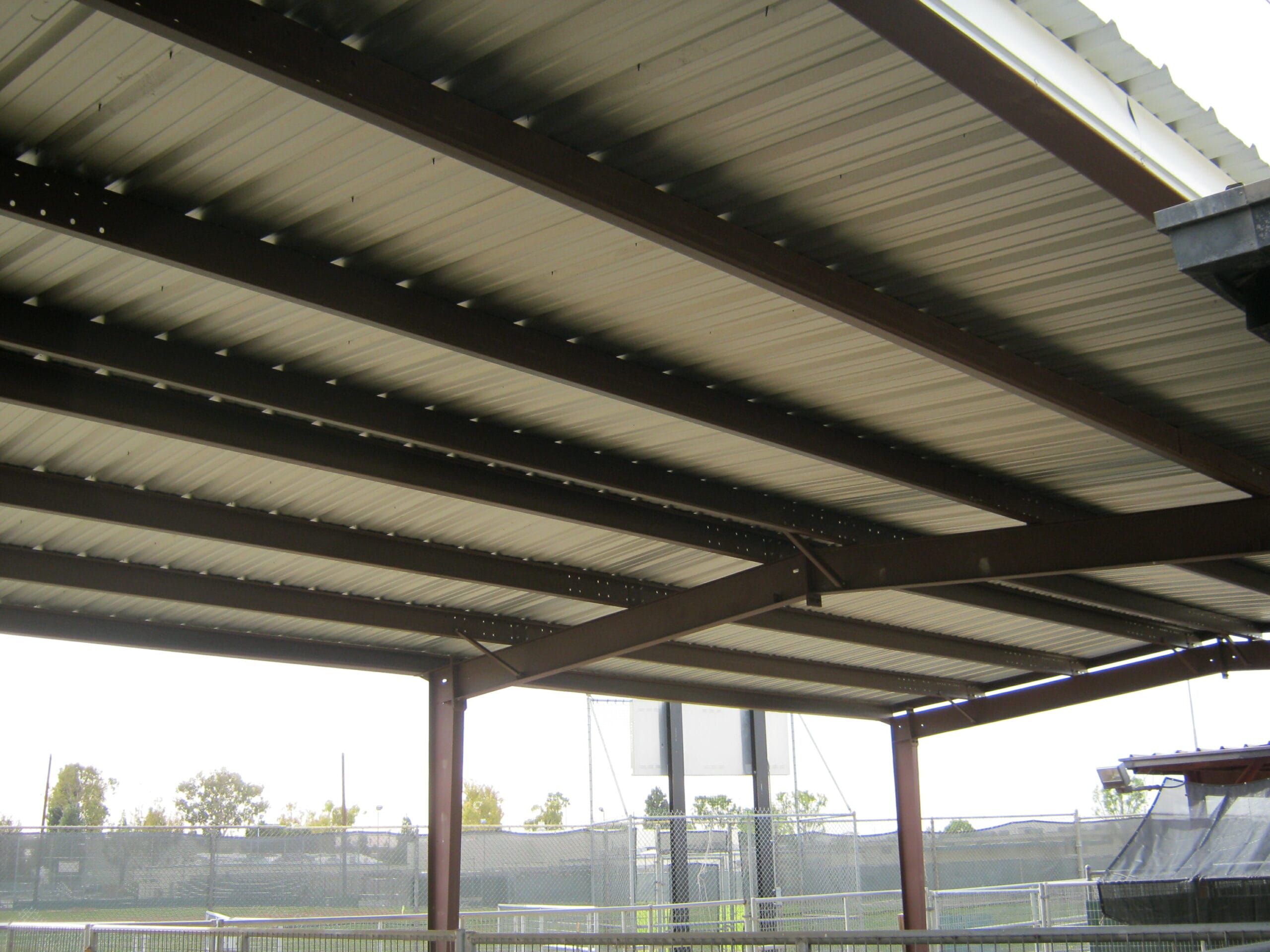
For hay storage the logic is similar but tied to your stack. Interior height should sit at least two feet above the top of your stacked bales so you can maneuver a loader without clipping the roof. Because steel frames can span wide distances without interior columns, a clear-span design lets you stack and drive without working around posts. That open interior is one of the biggest practical advantages of steel for agriculture.
Doors decide how the building actually works day to day. A door should give at least two feet of width clearance and a foot of height clearance beyond your largest machine, so a wide planter or sprayer enters without careful inching. As a rule of thumb, a building’s width should be at least twice its door width, which keeps the frame proportioned and the interior usable.
Placing large doors on opposite ends creates a drive-through bay, and it changes the daily rhythm of the building. Instead of pulling a 40-foot machine in and then backing it out through a tight opening, you simply drive straight through. That reduces wear on equipment, saves time during planting and harvest, and spares any operator the stress of reversing a long implement.
For mixed operations, planning a few pull-through bays alongside standard bays gives you flexibility as the fleet changes. Some machines live in the building all season, while others cycle in and out daily, and a mix of bay types serves both patterns. Mapping this traffic flow before you finalize the shell is far easier than reworking door placement after the frame is set.
A good farm building rarely does just one thing. Many operations combine equipment parking with a heated shop, a parts and supply corner, and sometimes livestock or hay on the other end. Separating those zones keeps grease away from feed and gives the shop a defined, insulable space rather than an open corner of a cold building.
If livestock enters the picture, ventilation and layout needs shift again. Animal housing wants airflow, durable wall surfaces, and a layout that separates penning from feed and equipment traffic. A purpose-built horse barn or riding arena follows different sizing logic than a machine shed, so decide early whether one building will try to do both jobs or whether two structures serve you better.
Equipment tends to get bigger, not smaller, over the life of a building. Sizing only for today’s fleet is how operations end up adding a lean-to five years in. Building in extra bay depth and a little more eave height now is almost always cheaper than expanding later, and it protects the resale flexibility of the structure. Think in terms of the operation you expect to run, not just the one you run today.
Airflow does quiet, important work in an agricultural building. Warm, moist air rising off hay or livestock will condense on the underside of a cold steel roof, and over time that dripping moisture rusts fasteners and degrades whatever sits below. Ridge vents and open gable peaks let that humid air escape before it becomes a problem.
For hay specifically, ventilation protects the value of the crop you worked all season to bring in. Bales cured properly and stored under a well-vented roof hold their feed value far better than bales left to sweat in a sealed building. Orienting an open-sided structure to shed prevailing rain while still breathing is a small design choice with a real payoff. These details separate a building that merely covers hay from one that actually preserves it.
The shop corner of a farm building lives on its electrical plan. Welders, air compressors, grinders, and battery chargers each pull real current, so dedicated circuits and a properly sized panel keep the space usable instead of tripping breakers all day. Roughing in that wiring during construction is far cheaper than chasing it through finished walls later.
Lighting deserves the same forethought as power. A machine shed that doubles as a repair bay needs bright, even light over the work area so you are not squinting under a tractor at dusk. Planning outlets, circuits, and fixtures alongside the layout turns a covered space into a genuine working shop. It is a small design step that pays off every time a repair happens after dark.
Once the footprint is set, the building has to meet the ground. The split here is simple: your building ships as an engineered kit with an anchor-bolt layout, while a local concrete contractor handles the pad it sits on. The drawings define the bolt positions and loads so that foundation can be poured to match. Sorting this out before any concrete goes down avoids the classic mismatch between the frame and what it lands on.
Site drainage and approach also deserve a look while you plan. Wide equipment needs room to line up with the doors, and a building that drains poorly turns its apron into a mud pit during the wettest weeks. A little grading and gravel at the entrances pays for itself the first muddy spring.
Plan for at least 14 feet of eave height for modern tractors and combines with cabs, and go taller if your specific equipment requires it. Height is the hardest dimension to change after the building is up, so err on the generous side.
Give at least two feet of width clearance and one foot of height clearance beyond your largest machine. Many farm buildings use doors in the 16-to-20-foot range so wide implements enter without folding mirrors or awkward maneuvering.
Measure the footprint of every machine you plan to store, sum those areas, and multiply the total by about 1.15 to account for working space between equipment. Add capacity for machines you expect to buy in the coming years.
The right size follows your equipment and storage needs rather than a catalog number, but comparing your footprint against standard building dimensions is a quick way to land on cost-effective proportions. Standard widths and lengths tend to price better than unusual custom footprints. Starting from a common size and adjusting is usually smarter than designing from scratch.
It can, but each use has different needs. Equipment wants clearance and wide doors, a shop wants an insulated and possibly heated zone, and livestock wants ventilation and durable surfaces. Zoning the interior, or splitting into two buildings, keeps each function working well.
Ready to see real numbers? get a current price for your building with our online Price Calculator.