
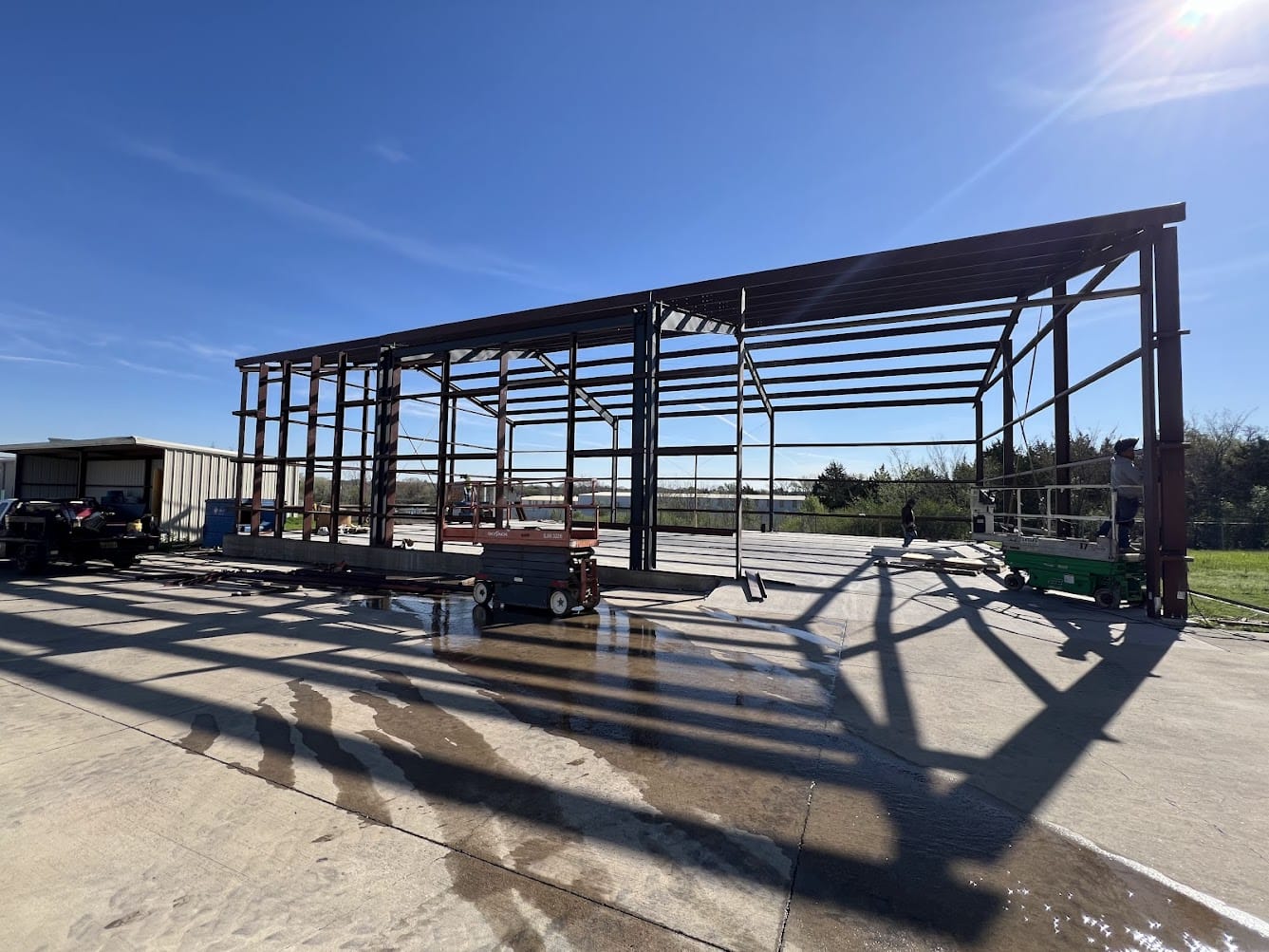
Bracing is an essential component in metal building construction, serving as a critical factor in ensuring structural integrity and safety. With the potential to encounter various external forces, such as wind, seismic activity, and ground shifting, understanding how bracing enhances stability is vital for any building project. By effectively distributing these forces, bracing in metal buildings allows them to withstand stresses that could lead to bending, swaying, or even collapse.
Wall bracing is defined as the structural support system designed to stabilize walls in a building. Its primary function in metal buildings is to distribute external forces evenly, preventing deformation due to lateral pressures. When wind or seismic activity occurs, wall bracing prevents the potential bending or swaying of the structure, ultimately ensuring its upright position and longevity.
Strategically placing bracing in key locations is crucial for ensuring long-term durability and performance. Properly designed bracing systems can significantly enhance the structural capacity of metal buildings, ensuring they remain compliant with local building codes and resilient against environmental challenges, acting as a fundamental safeguard for all occupants within the structure.
Various types of bracing methods can be adopted in metal buildings, each with its own advantages and suitability for different applications. Here’s a look at some primary wall bracing techniques:
Diagonal bracing is a traditional method that employs diagonal steel rods or angle iron to reinforce the structure. This technique creates a triangular reinforcement framework that efficiently transfers lateral loads down to the ground. It is known for being cost-effective and is widely used in many steel buildings. This simple yet effective approach helps prevent structural deformation by ensuring that external forces are adequately managed.
Shear panels, also known as shear walls, are solid panels made from materials such as steel or reinforced elements installed within the framing of the building. These panels provide a continuous surface that resists lateral forces, significantly enhancing the structural stability of the building. Shear panels are particularly advantageous in structures with large openings or fewer frame connections, where traditional methods may be less effective.
Alternatively, cable bracing utilizes high-tensile steel cables tensioned between structural members to resist lateral loads. This bracing method is adjustable, allowing for precise load distribution, and is especially useful in larger, open-span buildings. Cable bracing is commonly employed in warehouses, aircraft hangars, and various industrial applications where expansive space is crucial, delivering both flexibility and structural stability.
Cross-bracing incorporates two diagonal braces that intersect in the middle, forming an “X” shape. This system effectively resists horizontal forces and adds stiffness to the structural frame. It is very economical and can use steel cables, solid rods, or even steel angle, although its use depends on building size and local codes. Cross-bracing systems are particularly ideal for buildings located in hurricane-prone or high-wind areas, ensuring a greater level of stability under adverse conditions.
Portal frame bracing consists of rigid frames placed at critical points throughout the structure to provide additional support. This method is often utilized when cross-bracing is impractical due to the presence of large doors or openings. By reinforcing stability without obstructing the interior space, portal frame bracing offers a practical solution without needing extensive structural modifications.
K-bracing and V-bracing are both versatile bracing techniques that enhance stability while allowing for design flexibility. K-bracing consists of diagonal braces forming a sideways “K” shape, which helps to distribute loads efficiently. V-bracing, on the other hand, features two diagonal braces meeting at a central point to create a “V.” Both systems provide critical resistance to buckling and beam bending, contributing to the overall structural integrity.
Eccentric bracing is characterized by diagonal braces that connect to the beams at separate points rather than a single intersection. This innovative design absorbs seismic energy effectively, minimizing structural strain during earthquakes. Eccentric bracing is prevalent in areas prone to seismic activity, ensuring that buildings remain safe and operational in the face of natural disasters.
The necessity of wall bracing in metal buildings can’t be overstated. It plays a critical role in maintaining the overall integrity and safety of a structure.
Bracing is fundamental for ensuring that metal buildings can withstand a variety of environmental stresses, including high winds, heavy snow loads, and seismic activity. Without adequate bracing, structures may suffer deformation under these pressures, which can lead to significant structural failure. Effective bracing helps distribute these forces throughout the frame, preventing bending or buckling and ensuring the long-term durability of the building.
The safety of the individuals who occupy a building should always be a priority. Properly implemented bracing minimizes the risks of collapse or severe structural damage during extreme weather events or natural disasters. By fortifying the building’s framework, occupants—whether they are employees, customers, or residents—are better protected, along with their assets, in the event of a catastrophe.
Another critical aspect of wall bracing is its role in compliance with building codes. Local, state, and national building codes are designed to ensure safety standards are met across the industry. Adhering to these regulations not only provides legal approval for construction but also assures owners that their structures are built with safety in mind. At MBMI Metal Buildings, we prioritize code compliance by integrating bracing solutions that meet or exceed these stringent standards.
Offering an additional layer of financial benefit, well-braced buildings tend to require less frequent maintenance and are less likely to experience structural failures. By enhancing durability from the outset with effective bracing, owners can significantly reduce long-term repair costs associated with damage that might arise from inadequate structural support. Investing in high-quality bracing solutions ultimately leads to cost savings and peace of mind in the long run.
At MBMI Metal Buildings, our commitment to quality and reliability manifests in how we engineer our metal buildings, especially concerning bracing solutions.
Our structures are intelligently designed with customized bracing systems that suit the local environmental conditions of each project. Each building is evaluated individually, ensuring the chosen bracing methods will provide the best support against potential stresses.
We ensure that all our structures meet or exceed industry standards for wind, snow, and seismic loads, so you can feel confident in the integrity of your building.
Recognizing that each building has unique needs, MBMI offers tailored bracing solutions based on factors such as building size, geographical location, and intended use. Whether your project requires standard bracing or more specialized solutions, we can design a system that fits perfectly.
We use premium steel components to ensure superior strength and longevity, which are essential characteristics in any reliable building. Our focus on quality materials upholds the structural integrity of our braced buildings, making them resilient over time.
In summary, wall bracing is vital in the construction of metal buildings, playing an essential role in ensuring safety, compliance, and long-term structural integrity. Proper bracing not only helps safeguard occupants and their assets but also alleviates potential long-term maintenance and repair costs.
At MBMI Metal Buildings, we understand the importance of effective bracing solutions and are committed to helping our customers design strong, well-braced steel structures for a variety of applications.
If you are planning a metal building project and need expert guidance on bracing solutions, contact MBMI Metal Buildings today. Let us help you create a durable and reliable structure that stands the test of time.
Have a building in mind? see what your project would cost with our quick pricing tool.