
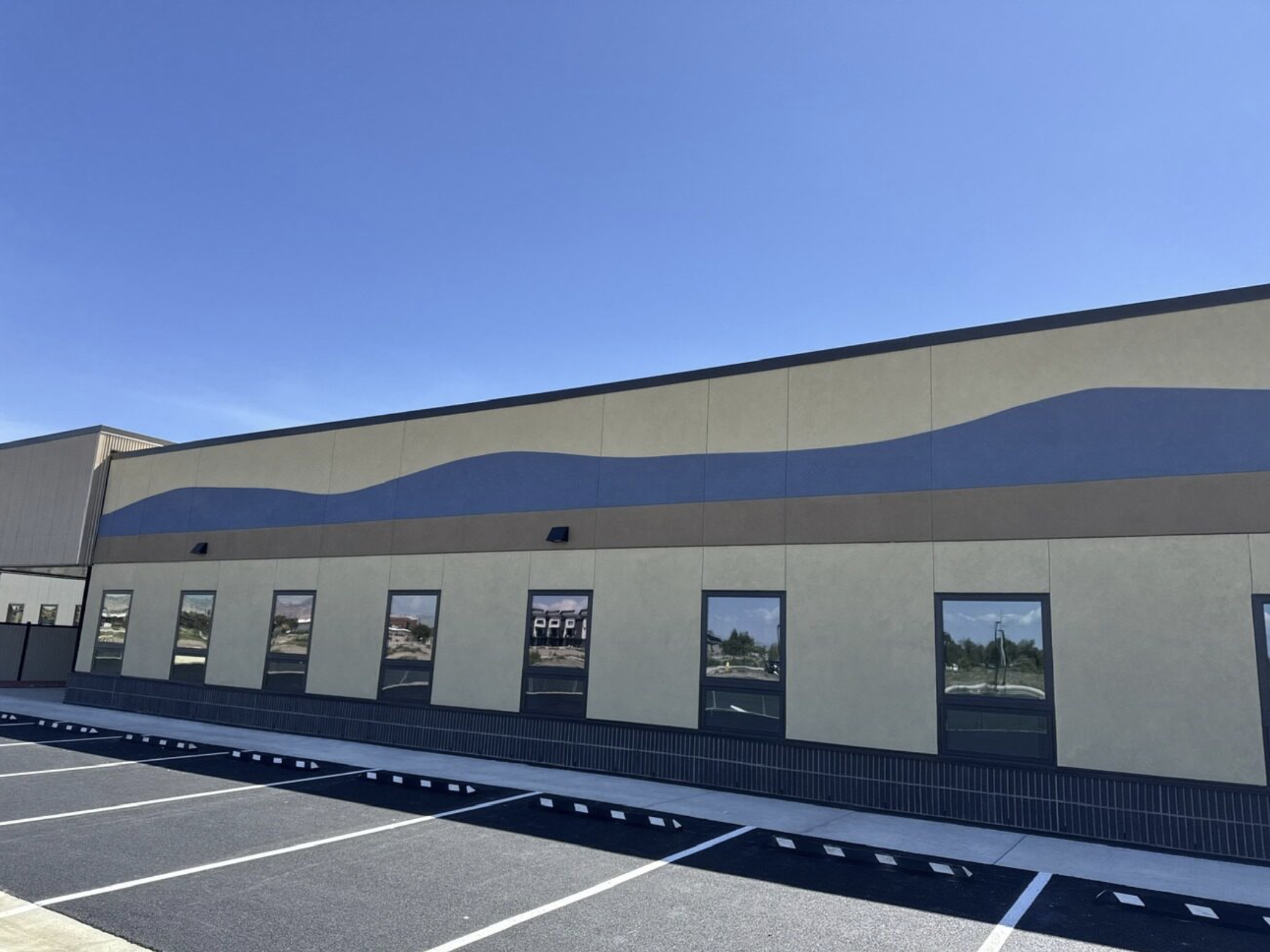
The architect’s rendering showed glass entry panels, brick accents along the front facade, and a subtle curve to the roofline. “This is a metal building?” the business owner asked, genuinely surprised.
It was. The structure underneath was pure steel… engineered for strength, built for speed, priced competitively. But the exterior treatments, material combinations, and architectural details transformed what many people still picture as a basic industrial box into something that could sit comfortably in any commercial district.
Metal buildings have quietly evolved past their utilitarian origins. The engineering remains practical and cost-effective, but the aesthetic possibilities have expanded dramatically. Business owners no longer choose between affordability and appearance. Modern metal construction delivers both, opening opportunities for companies that need functional space but also care about how their facility represents their brand.
Metal buildings carry baggage from their industrial past. Many people still picture corrugated tin sheds or basic warehouse boxes when they hear “metal building.” That outdated image costs businesses opportunities because the reality has moved far beyond those limitations.
The gap between perception and current capability creates interesting situations. A business might reject metal construction based on assumptions about appearance, then choose a more expensive alternative that performs worse while looking only marginally different. Meanwhile, modern metal buildings sitting in plain sight go unrecognized because they’ve been designed to blend seamlessly with traditional construction.
This perception lag matters because it influences decisions before people even examine actual options. Understanding what’s genuinely possible with current metal building design helps businesses make better choices based on real capabilities rather than outdated stereotypes.
Modern metal building exteriors use the same architectural treatments available to any commercial construction. Brick veneer, stone facades, stucco finishes, architectural concrete panels, and wood-look siding all integrate readily with steel framing systems. The metal structure provides the skeleton; exterior treatments create whatever appearance the project requires.
Glass installations have become particularly sophisticated in metal building applications. Curtain wall systems, storefront glazing, and large window assemblies integrate cleanly with steel framing. Businesses wanting natural light, contemporary aesthetics, or prominent display areas can achieve these goals while benefiting from metal construction’s structural and economic advantages.
Roof lines offer more variety than the simple gable or shed roofs people associate with basic metal buildings. Architects specify mansard roofs, barrel vaults, multi-pitch designs, and contemporary flat or low-slope profiles. These varied roof treatments dramatically alter a building’s appearance while maintaining the practical benefits of pre-engineered metal construction.
Color and finish options have expanded well beyond basic white or tan panels. Modern coating systems provide virtually unlimited color choices with excellent fade resistance and long warranties. Buildings can match corporate branding, blend with surrounding architecture, or make bold statements. The metal panels themselves come in profiles ranging from industrial ribbing to smooth contemporary finishes that read more like residential siding.
Combining materials strategically creates buildings that work both functionally and aesthetically. A manufacturing facility might use standard metal panels on warehouse areas where appearance matters less, while incorporating brick or architectural panels on office sections and customer-facing facades. This targeted approach controls costs while creating professional appearance where it counts.
The structural advantages of steel framing actually enable some material combinations more easily than traditional construction. Steel’s strength allows larger spans and window openings without the structural complications that would arise in masonry or wood frame buildings. This means designers can incorporate extensive glass, heavy stone veneer, or other architectural features without structural compromises.
Smart material selection considers both initial costs and long-term performance. A metal building with brick veneer on the front facade and standard panels elsewhere might cost 15-20% more than all-metal panels, while still running 30-40% less than full brick construction. The building delivers the professional appearance customers see while maintaining cost advantages on portions they don’t.
Architectural details separate buildings that merely function from those that represent businesses well. Entry canopies, decorative columns, facade variations, and thoughtful window placement transform basic structures into professional facilities that make positive impressions.
Entry design particularly influences perception. A prominent entrance with covered approach, quality doors, and surrounding glass or complementary materials signals attention to detail and professional operation. This small investment in the building’s most visible and frequently used feature creates a disproportionate impact on how customers and employees experience the facility.
Horizontal banding, contrasting trim colors, and carefully placed material transitions create visual interest without significant cost. These details break up large expanses of wall surface and add sophistication to otherwise simple buildings. The key is knowing which details provide the most impact for a reasonable investment.
Landscaping and site design work alongside building aesthetics to create complete impressions. A well-designed metal building surrounded by thoughtful landscaping, quality paving, and appropriate lighting presents far better than traditionally constructed buildings with neglected sites. The total package matters more than any single element.
Not every business needs showroom aesthetics. Manufacturing facilities in industrial parks, agricultural buildings on working farms, and warehouse operations focused purely on logistics can often succeed with straightforward metal building designs. Understanding when appearance drives value helps businesses invest appropriately.
Retail operations, professional service businesses, customer-facing facilities, and companies in mixed-use areas benefit most from aesthetic investment. These buildings represent brands, attract customers, and exist in contexts where appearance influences perception. The additional cost for architectural treatments returns value through better market positioning and professional image.
Location context guides design decisions as much as business type. A metal building in an established commercial district needs to respect surrounding architecture and community standards. The same business in a newer development or industrial area faces fewer aesthetic constraints and can focus more on function and economy.
Aesthetic choices affect more than just appearance. Material selections influence maintenance requirements, energy performance, and long-term durability. Glass increases natural light but also affects heating and cooling loads. Masonry veneer adds mass and maintenance-free exterior but requires proper detailing and foundation support.
Local building codes and design review boards sometimes mandate certain aesthetic standards. Understanding these requirements early prevents expensive revisions during permitting. Some jurisdictions prohibit or restrict certain materials, colors, or design elements. Working within these constraints from the start streamlines the process and avoids delays.
Budget realities always factor into design decisions. The good news is that modern metal construction provides flexibility to phase aesthetic improvements or allocate resources strategically. A business might build with standard panels initially, then add architectural treatments during future expansion or as budget allows. The steel structure accommodates these changes readily.
Aesthetic improvements cost money. The question becomes whether that investment returns value through better business performance, easier property sales, or other tangible benefits. The answer depends entirely on specific circumstances and business goals.
For customer-facing businesses, appearance directly influences revenue. Retail locations, professional offices, and service businesses benefit measurably from buildings that attract and impress customers. The improved aesthetics pay for themselves through better business performance.
For industrial operations or warehouse facilities where customers rarely visit, the value calculation shifts toward employee experience, regulatory compliance, and eventual property sale. A building that improves employee satisfaction or meets community design standards might justify aesthetic investment even without direct customer impact.
Property resale considerations vary by market and building type. Attractive, well-designed buildings generally sell faster and command better prices than purely functional structures. However, specialized industrial facilities in industrial zones often sell more on functionality and location than appearance. Understanding likely future scenarios helps guide current design decisions.
Modern metal building design capabilities exceed what most people assume possible. The practical and economic advantages that made metal construction popular in industrial applications now combine with aesthetic flexibility that serves virtually any business type or design requirement.
The key is approaching metal building design with current knowledge rather than outdated perceptions. Business owners who examine actual capabilities rather than accepting stereotypes often find metal construction delivers both the functionality they need and the appearance they want, frequently at costs below traditional alternatives.
Ready to explore modern metal building design for your business? Get started and run your numbers, built to your size, location, and loads.
We build buildings that work and look the part.