
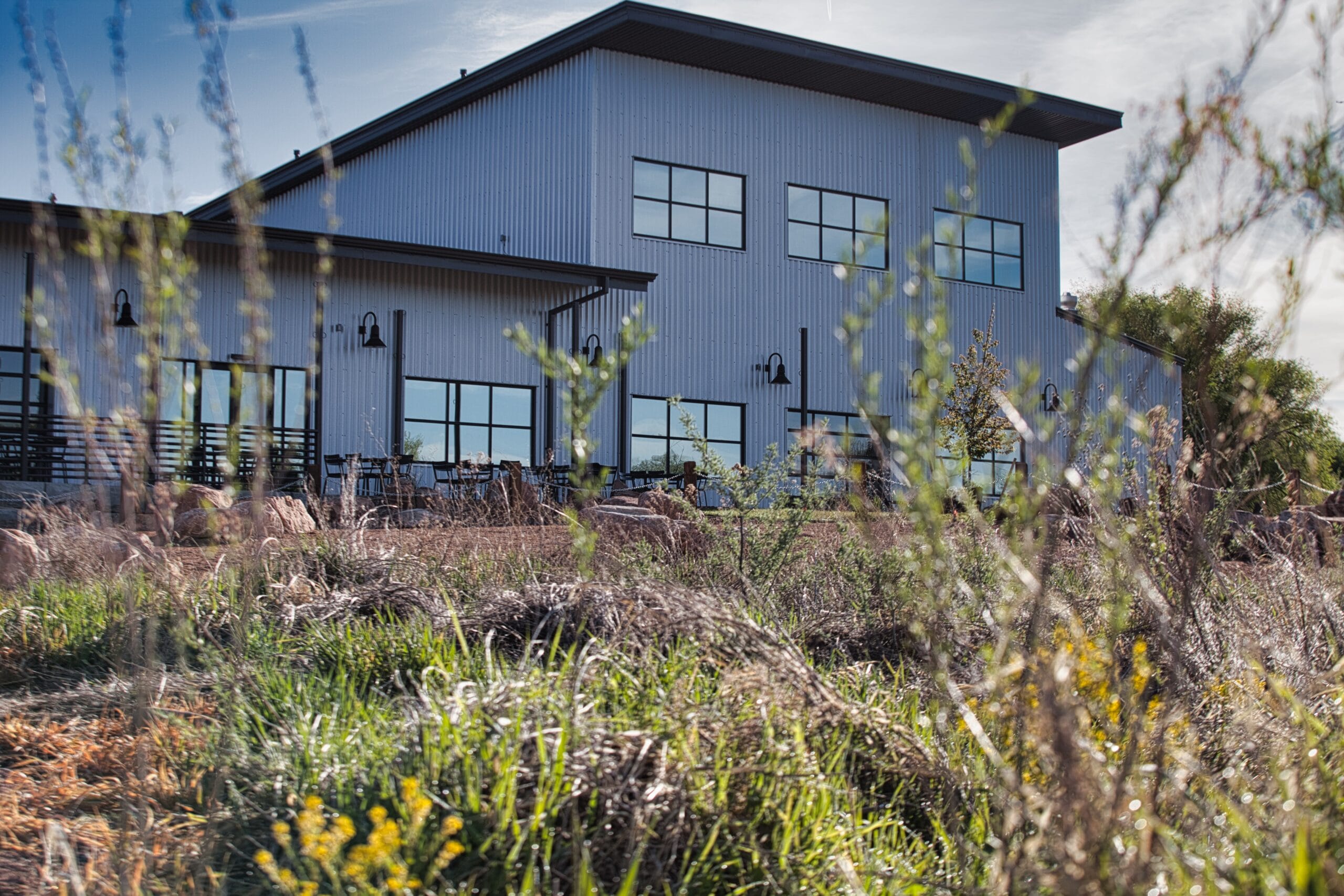
When you plan a commercial steel building, you’ll run into three terms that get used loosely and often confused: pre-engineered, custom, and conventional steel. They’re not three totally separate products so much as three points on a spectrum of how a building is designed and fabricated, and the differences drive your cost, your timeline, and how well the finished building fits your operation. This guide breaks down what each one actually means, how they compare, and why, for most commercial projects, a customizable pre-engineered building is the better value than either a “basic” kit or a fully custom design.
On cost: you won’t see dollar figures here, on purpose. Steel prices move constantly, and the real number for any of these approaches depends on your building’s size, geometry, loads, and complexity. Any figure on a page would mislead you. What follows is an honest comparison on the factors that matter, with a path to a live, engineered price for your building.
Pre-engineered metal building (PEMB). The entire building is engineered as a system (primary rigid frames, secondary framing, and cladding) optimized and fabricated in a shop to fit your specific building. Each member is sized precisely for its loads, so there’s very little wasted steel. It ships as a kit of parts engineered to fit together and erects quickly. PEMBs are the standard for warehouses, manufacturing, distribution, aircraft hangars, and most large single-story commercial buildings.
Conventional structural steel. The building is designed member by member using standard hot-rolled shapes (wide-flange beams and columns), detailed by a structural engineer, fabricated by a steel fabricator, and erected on site. It offers maximum design flexibility for complex, multi-story, or highly unusual structures, but it uses more standardized (often heavier) sections, more on-site engineering and detailing, and a longer process.
“Custom” steel building. This is the term that causes the most confusion. Sometimes “custom” means a fully bespoke conventional building designed from scratch. But more often, what buyers actually need is a customizable pre-engineered building: a PEMB engineered to accommodate specific requirements (crane systems, unusual bay spacing, tall eaves, added openings, temperature control) without starting over with conventional steel. That distinction matters, because it’s where most money is won or lost.
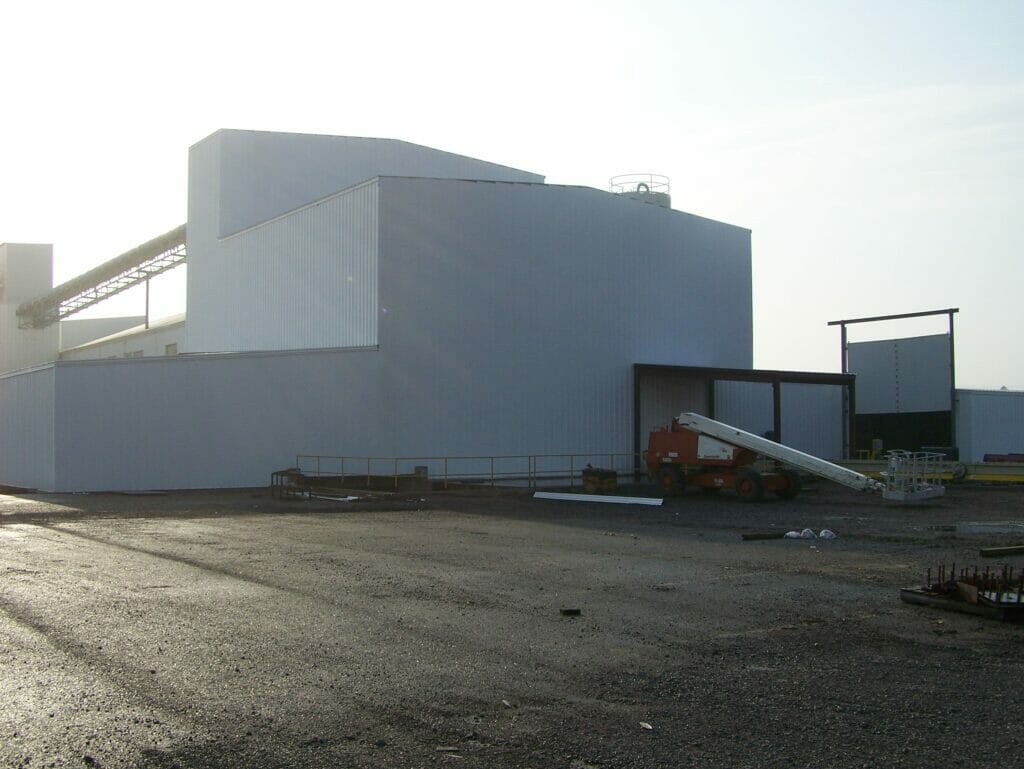
For the kinds of buildings most commercial buyers need (large, open, single-story) a PEMB is typically the most cost-efficient choice, for a few structural reasons.
Optimized steel. Because a PEMB is engineered as a system with tapered, custom-fabricated members sized exactly to the loads, it usually uses less steel than a conventional frame built from standard heavy sections. Less steel, engineered efficiently, means lower material cost for the same performance.
Less on-site engineering and labor. A PEMB arrives engineered and fabricated to fit. Conventional and fully custom steel require more project-specific structural design, connection detailing, and on-site fitting, which means more engineering hours and more field labor.
Faster erection. The kit-of-parts approach goes up faster, reducing labor and financing carrying costs.
The trap on the “custom” side is a hidden one. Basic pre-engineered systems not designed for customization can get expensive fast when a client needs features beyond their standard parameters, because simple modifications trigger extensive re-engineering. That’s why choosing a manufacturer with genuine customization capability matters more than the initial sticker price, and why it pays to understand what actually drives a steel building’s total cost before you weigh one quote against another. A customizable pre-engineered approach delivers custom functionality at pre-engineered pricing: the specialized features you need, engineered in from the start, without the cost and schedule of a fully custom conventional build. Conventional and fully custom steel earn their higher cost only when a project genuinely requires it: complex geometry, multiple stories, long unusual spans, or heavy specialized loads that a standard system isn’t built for.
→ Get an exact, current price for your building
A PEMB is engineered and fabricated in the shop while your foundation and site work proceed, then erects quickly because the parts are made to fit. Both conventional steel and fully custom builds involve a longer design-detail-fabricate-erect cycle with more on-site problem-solving. For a commercial operation that wants to occupy sooner, the pre-engineered schedule advantage is significant, and it compounds into lower carrying costs. A customizable PEMB keeps that speed advantage even when you need specialized features, because the customization is engineered into the system rather than bolted on through a slower custom process.
Both PEMB and conventional steel can achieve wide clear spans, but a PEMB does it very efficiently: clear-span rigid frames are exactly what the system is optimized for, giving you a column-free floor without paying a premium for it. Conventional steel can also span wide, but often at higher cost for the same result.
Where conventional or fully custom steel has the edge is unusual or complex geometry: multi-story buildings, irregular shapes, mixed structural systems, or architectural features that don’t fit a standard building envelope. But it’s worth testing that assumption before you pay for it. Many requirements that buyers assume demand a fully custom building (overhead cranes, high eaves, wide bays, future expansion, temperature control) are well within the reach of a customizable pre-engineered system. If your project is a large rectangular commercial box (which most warehouses, plants, and distribution centers are) a PEMB delivers the clear span and the customization more economically than a fully custom design.
Here’s a misconception worth correcting: “pre-engineered” does not mean generic or lower quality. A well-engineered PEMB is precisely engineered (every member sized to your actual loads) and can be built to the same or higher quality standard as a conventional building. The quality difference between steel buildings is driven far more by who engineers and fabricates it than by which method is used. A well-built PEMB is engineered to the standards developed by the Metal Building Manufacturers Association (MBMA), the industry body behind the codes and research for metal building systems.
That’s the crux of a good buying decision. A PEMB engineered precisely to your loads and fabricated to a certified standard is a superior building to a cheap “basic” PEMB from a company cutting corners, and often to an over-built conventional building you paid a premium for. On a large project, engineering quality determines your total cost and durability more than the method or the sticker price.
It helps to see how the choice plays out on real commercial projects:
A straightforward storage or distribution building. An equipment-rental company that needs a large, clear-span building for weather protection and vehicle access wants speed and cost efficiency, not structural complexity. A pre-engineered building delivers it fastest and cheapest, and there’s no reason to pay for anything more.
A specialized facility with real requirements. A manufacturer that needs precise temperature control, an overhead crane system, and room to expand later often assumes those needs demand a fully custom building. In practice, a customizable pre-engineered system handles all of it (crane loads, climate envelope, tall eaves, an expansion-ready end wall) while keeping the cost efficiency and faster delivery of a PEMB. This is the sweet spot most “custom” buyers actually want.
A genuinely complex or multi-story structure. A multi-story building, an architecturally intricate showpiece, or a facility with unusual mixed structural systems is where conventional or fully custom steel earns its higher cost, because a standard building envelope can’t efficiently deliver the design.
The long-term angle matters too: a customizable pre-engineered building is engineered to adapt as your needs change, so an expansion or a future modification is a planned move rather than a costly re-engineering exercise. That adaptability is a large part of why customizable pre-engineered buildings tend to win on total value, not just up-front price.
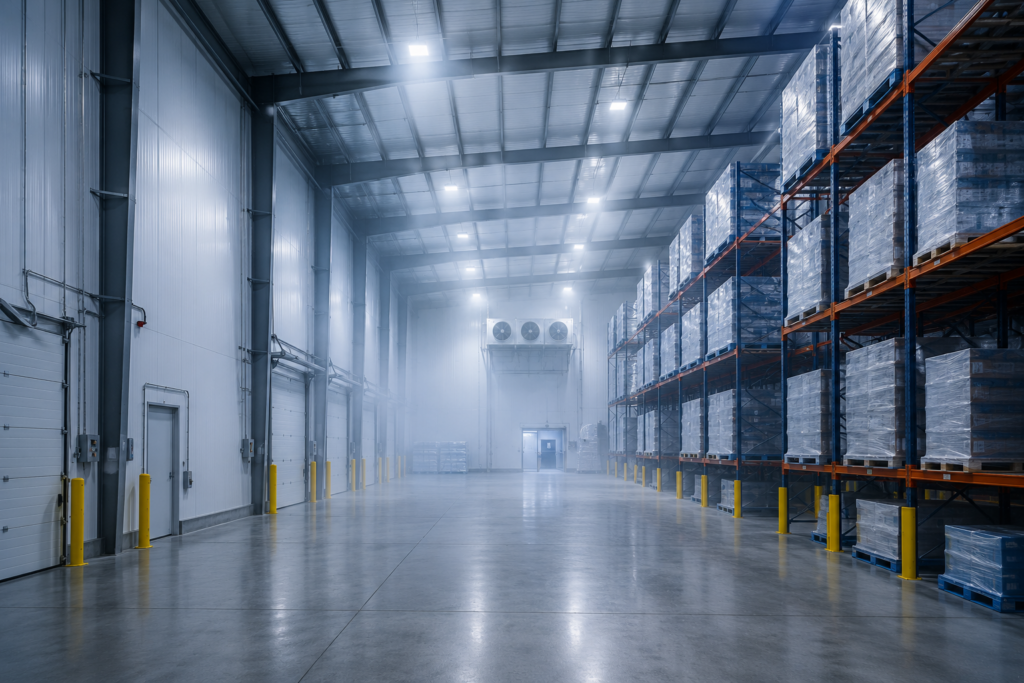
Choose a pre-engineered building if your project is a large, single-story commercial structure (warehouse, industrial manufacturing, distribution, hangar, retail, flex) where you want a clear-span floor, faster construction, and efficient cost. This is most commercial projects.
Choose a customizable pre-engineered building if you have specialized requirements (crane loads, tall eaves, unusual bays, added openings, expansion plans, climate control) but your building is still fundamentally a large single-story facility. You get the custom functionality without the fully custom cost and timeline.
Consider conventional or fully custom steel if your project is genuinely multi-story, architecturally complex, or has unusual structural demands a standard building system can’t efficiently meet.
For the large majority of commercial buildings, a well-engineered (and, where needed, customizable) pre-engineered building is the better value: you get the clear span, the specialized features, and the durability you need without paying for complexity you don’t. The key is choosing a manufacturer whose engineering you can trust.
MBMI has delivered pre-engineered steel buildings nationwide with an in-house engineering team, drawings engineered to your exact ZIP-code loads, IAS-certified fabrication, and a 40-year paint warranty, for clients including NASA, Ford, and Cemex. Our customizable pre-engineered systems are designed to accommodate specialized requirements efficiently, so our engineers can evaluate your customization needs upfront and price them accurately, without the re-engineering surprises that come from pushing a basic system past its limits. On a large commercial project, that’s what protects your budget and your timeline.
What’s the difference between a pre-engineered and a custom steel building? A pre-engineered building is engineered as an optimized system and fabricated to fit your building; a fully custom building is designed from scratch, usually in conventional structural steel. In practice, most buyers who think they need “custom” are best served by a customizable pre-engineered building, which delivers specialized functionality at pre-engineered pricing and speed.
Is a pre-engineered metal building lower quality than conventional or custom steel? No. “Pre-engineered” means the building is engineered as an optimized system, with each member sized to your loads. Quality is driven by the engineering and fabrication behind the building, not the method. A well-engineered PEMB can match or exceed a conventional building.
Is a pre-engineered building cheaper than a custom or conventional one? For most large single-story commercial buildings, yes, it uses steel more efficiently and requires less on-site engineering and labor. Conventional and fully custom steel cost more and earn it only on complex or multi-story projects.
Can a pre-engineered building be customized for commercial or industrial use? Yes. A customizable pre-engineered system can accommodate crane systems, tall eaves, wide bays, added openings, climate control, and future expansion, engineered in from the start, which is why it handles most “custom” requirements without a fully custom build.
Which is faster to build? A pre-engineered building, generally. It’s fabricated to fit in the shop while site work proceeds and erects quickly. Conventional and custom builds have a longer design-detail-fabricate-erect cycle.
When should I choose a fully custom or conventional steel building? For multi-story, architecturally complex, or structurally unusual buildings where a standard building system genuinely can’t meet the design efficiently.
Get a current, engineered price for a pre-engineered building built to your project, customization included:
→ Use the Price Calculator or call 1-800-293-2097 to speak with an MBMI building specialist.