
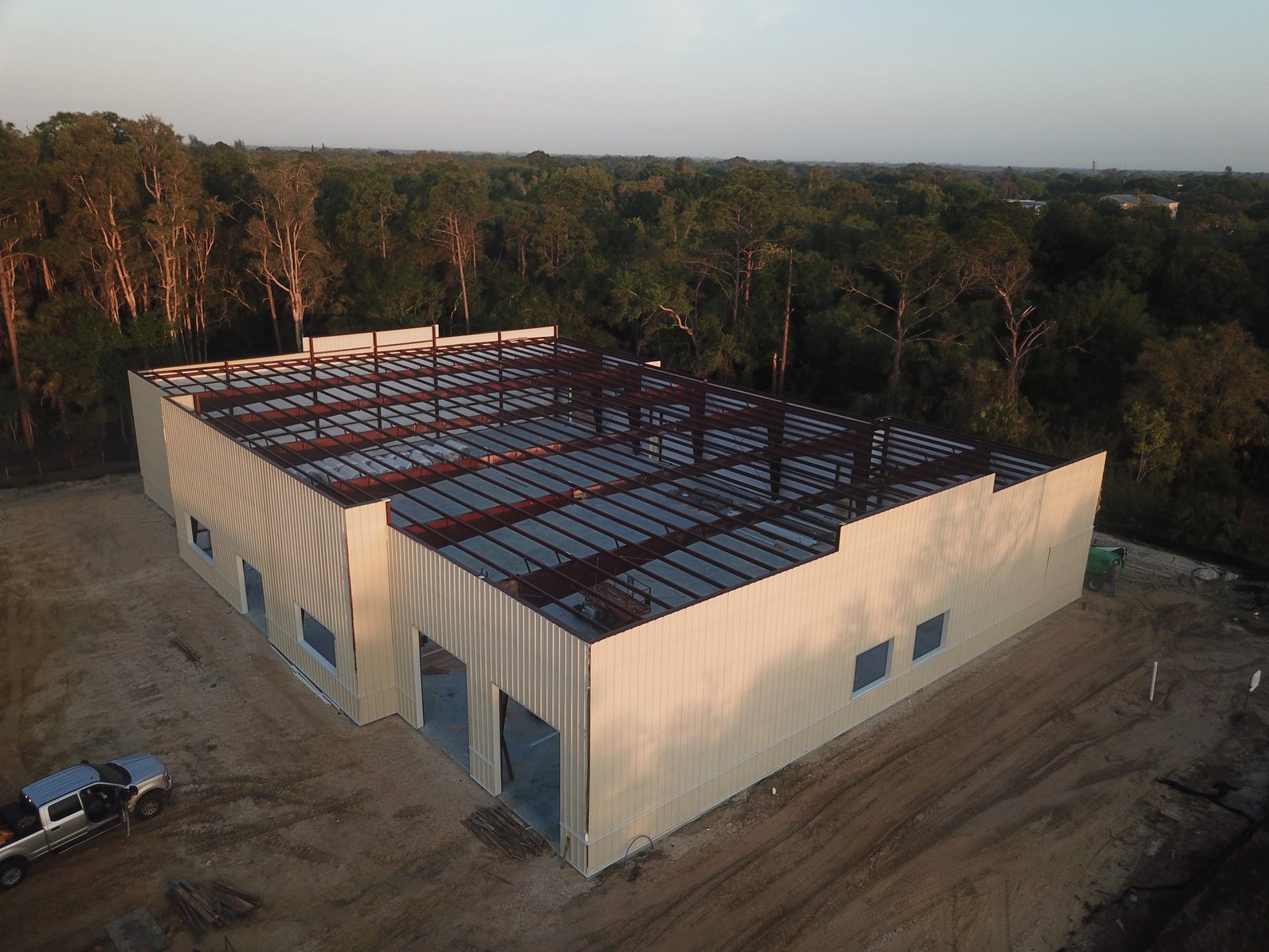
The architect’s preliminary drawings showed six overhead doors on the warehouse. All the same size. All evenly spaced. Very symmetrical. Completely wrong for how the operation actually worked.
“We receive full truckloads on the east side and ship partial orders on the west,” the owner explained. “East needs tall doors for straight-in backing. West needs standard height because we’re loading vans and box trucks, not semis. And that door you put on the north wall? That’s where our neighbor’s building sits 15 feet away. We’ll never use it.”
The architect had designed doors that looked good on paper. What the business needed was doors that actually worked for their operation.
Doors and windows aren’t aesthetic choices you make after your building design is complete. They’re functional decisions that affect how your operation works every single day. The right selections improve efficiency, reduce energy costs, and make your facility easier to use. Wrong choices create daily frustrations that cost time and money for years.
Let’s figure out what actually works for your commercial building.
Forget the standard door package for a minute. Walk through a typical day in your operation.
How do materials arrive? Full truckloads backing into docks need 10×10 or larger overhead doors with dock levelers. Partial shipments from box trucks work fine with 9×9 or 10×10 doors at ground level. Deliveries from cargo vans or pickup trucks only need 8×8 doors.
How do materials leave? Shipping patterns matter as much as receiving. If you’re loading full pallets into trucks, you need door heights that accommodate forklift operations. If workers carry boxes to vehicles, standard doors work fine.
What equipment moves in and out? Some operations regularly move equipment between facilities or bring customer equipment in for service. A manufacturing shop that services construction equipment needs very different door sizes than a warehouse that never moves equipment through doors.
Do people enter through the same doors as materials? Separating personnel entry from material handling improves safety and climate control. A 3×7 walk door costs far less to heat and cool than opening a 10×12 overhead door every time someone enters.
Your door requirements come from operations, not from what looks balanced on a building elevation drawing.
Overhead doors dominate commercial steel buildings because they provide large openings without consuming wall or floor space.
These doors roll up in sections along tracks, storing parallel to the ceiling when open. Standard commercial construction uses 24-gauge or 20-gauge steel. The heavier gauge resists damage better in high-traffic operations. Insulated doors with R-values from R-8 to R-18 reduce energy costs in climate-controlled spaces.
Wind load requirements matter in exposed locations. Coastal areas, open sites, and tall buildings need doors rated for local wind conditions. Coordinate this during initial planning rather than discovering it during permitting.
Rolling steel doors coil around a drum above the opening. They work well where ceiling space doesn’t accommodate sectional door tracks or where security takes priority. These doors suit warehouses and equipment storage where security matters more than climate control. They cost less than insulated sectional doors but provide minimal thermal performance.
Large openings sometimes use hydraulic doors that fold or swing open. Most commercial operations don’t need these specialized systems. When you do need them, it’s because standard overhead doors can’t provide the opening size your operation requires.
Door size directly affects functionality and cost. Too small creates daily frustrations. Too large wastes money and energy.
Standard dock-height doors measure 9×9 or 10×10 feet. These accommodate most truck trailers backing into dock levelers. Refrigerated trucks with taller bodies might need 10×12 doors for clearance.
If your facility receives full truckloads regularly, proper dock door sizing isn’t optional. Undersized doors force drivers to position perfectly, wasting time on every delivery. Oversized doors cost more to purchase and operate without improving function.
Drive-in access for forklifts or small vehicles typically needs 10×10 or 12×12 doors. If you’re just moving pallets in and out with a forklift, 10×10 provides adequate clearance. Equipment storage for pickup trucks or service vans works better with 12×12 or 14×14 doors.
Equipment that’s 10 feet wide doesn’t fit comfortably through a 10-foot door. Add 2-3 feet to your equipment width for realistic door sizing. That 8-foot-wide truck needs at least a 10-foot door, preferably 12 feet.
Walk doors measure 3×7 feet standard. Install these anywhere people regularly enter separate from material handling. Placing walk doors near overhead doors creates convenient access without opening large doors for personnel.
Some operations add walk doors within overhead doors using personnel wicket doors. This works for occasional use but becomes less convenient with heavy daily foot traffic.
Windows in commercial steel buildings serve specific purposes rather than creating residential-style aesthetics.
Natural lighting reduces electric lighting loads during daytime hours. The energy savings vary dramatically based on window area, orientation, and operation schedules. Facilities operating primarily during daylight hours benefit most from window investment.
Windows also improve working conditions. People generally prefer spaces with natural light, which can affect productivity and employee satisfaction. The value is real even if it’s hard to quantify precisely.
Place windows where they provide value without creating problems. South-facing windows in cold climates gain solar heat during winter, potentially reducing heating costs. That same solar gain becomes a problem in hot climates, increasing cooling loads.
North-facing windows provide consistent natural light without direct sun and associated heat gain. This works well for climates where cooling costs dominate energy budgets.
High-mounted windows along walls bring light deep into buildings without consuming valuable wall space at working height. This approach suits warehouses and manufacturing facilities where wall space near the floor serves operational needs.
Window performance significantly impacts energy costs in climate-controlled buildings. Low-E coatings, insulated glass, and proper framing reduce heat transfer while maintaining visibility and light transmission. Understanding energy performance ratings for windows helps you compare products based on U-factor, solar heat gain, and visible transmittance.
Polycarbonate panel windows cost less than insulated glass but provide minimal thermal performance. They suit unconditioned spaces where natural light provides value without justifying insulated glass investment.
Windows create potential security issues. Ground-level windows in unstaffed facilities or high-crime areas invite break-ins. Elevated windows, smaller units, or security glazing address these concerns while still providing natural light.
Some operations skip windows entirely due to security concerns, valuable inventory exposure, or process requirements. There’s no rule requiring windows in commercial buildings.
Personnel entry doors balance accessibility, security, and climate control.
Standard commercial walk doors use 3×7 foot frames with various materials and security features. Insulated steel doors provide good thermal performance and security. Aluminum storefronts create professional appearance for customer-facing areas.
Lock types range from simple keyed locks to electronic access control. Consider how access management fits your operation. Small facilities might use simple keys. Larger operations often need electronic systems tracking who enters when.
Weather sealing matters in climate-controlled buildings. Quality doors with proper thresholds, sweeps, and seals prevent air infiltration that wastes energy and creates comfort problems near entries.
The Americans with Disabilities Act and international building codes establish accessibility requirements that affect door selection and placement. These include minimum clear width, maximum opening force, maneuvering clearance, and threshold heights. Planning accessible entries during initial design proves much easier than retrofitting after construction.
Most facilities need at least one accessible entrance, sometimes more based on building use and occupancy. This affects door hardware, automatic operators, and approach design.
Fire separation requirements might mandate fire-rated doors with hourly ratings (3/4-hour, 1-hour, 3-hour) indicating how long they resist fire spread. These doors require specific hardware and closing mechanisms. They cost significantly more than standard doors but aren’t optional when codes require them.
Insulated doors with higher R-values reduce energy costs in climate-controlled facilities. An uninsulated 10×10 door in a heated Minnesota warehouse loses significant energy. However, if your building isn’t heated or cooled, door insulation provides no value regardless of climate. Match door insulation to whether you’re actually climate-controlling the space, not just geographic location.
Automatic door operators range from simple push-button controls to sophisticated systems with remote operation and timers. High-traffic doors justify automation for convenience and energy savings. Less frequently used doors work fine with manual operation. The cost difference is substantial enough to warrant thoughtful decisions.
Work through this systematically before finalizing your building design.
Map your operations. Where do materials arrive? How do they move through your facility? Where do people enter? What equipment passes through doors? Your operational flow determines door locations and sizes.
Count openings by type. How many dock doors? Ground-level overhead doors? Personnel doors? Windows for natural light? Getting accurate counts prevents expensive field changes during construction.
Specify performance requirements. Which doors need insulation? Where do wind ratings matter? What spaces need natural light? What security level do you need? These specifications affect product selection and costs.
Consider future flexibility. Changing door sizes or locations after construction costs significantly more than getting it right initially. If you’re uncertain about future needs, oversizing doors or including blocking for additional door openings provides options without complete reconstruction later.
Matching door sizes to building aesthetics rather than function creates pretty buildings with impractical operations. That symmetrical door layout looks great in renderings but frustrates workers daily if doors don’t serve actual traffic patterns.
Undersizing doors by a few feet seems like smart cost savings until you discover equipment doesn’t fit comfortably or trucks can’t back in without perfect positioning. Door size flexibility costs relatively little during construction but fixing undersized doors later costs enormously.
Ignoring climate control implications of door and window choices leads to uncomfortable spaces and high energy bills. Large uninsulated doors in heated buildings waste massive energy. Too many windows in hot climates create unbearable solar gain.
Skipping accessible entry planning until the building inspector requires it forces expensive modifications. Planning accessible entries from the start costs far less than retrofitting later.
Installing cheap doors to save money initially backfires when they require constant maintenance, fail frequently, or waste energy. Quality doors appropriate to your application provide better long-term value than the cheapest options available.
What’s the most common overhead door size for commercial buildings?
The 10×10 foot overhead door serves most commercial applications effectively. This size accommodates forklifts, small vehicles, and standard dock operations. Larger operations often use 10×12 or 12×12 doors for additional clearance. Smaller buildings might use 8×8 or 9×9 doors where full-size equipment doesn’t need access.
Do I need insulated doors if my building is heated or cooled?
Yes, insulated doors significantly reduce energy costs in climate-controlled buildings. The insulation value pays for itself through energy savings, typically within 3-5 years. Uninsulated doors also create cold or hot spots near the opening, making those areas uncomfortable for workers. The only time to skip door insulation is in unconditioned storage buildings.
How many windows should a commercial steel building have?
There’s no standard number. Some facilities benefit from generous windows providing natural light and improved working conditions. Others skip windows entirely due to security concerns, process requirements, or because operations run primarily at night. Base window decisions on your specific needs rather than matching other buildings.
Can doors and windows be added after my building is complete?
Yes, but it costs significantly more than including them during construction. Adding doors requires cutting through walls, installing structural framing, and matching finishes. This disrupts operations and costs 2-3 times what the opening would cost during initial construction. Plan door and window locations carefully during design to avoid expensive modifications later.
What door features are worth the extra cost?
Wind-rated doors in exposed locations prevent damage and reduce maintenance. Insulation in climate-controlled buildings pays for itself through energy savings. Quality weather sealing prevents air infiltration problems. Photo-eye safety sensors prevent accidents and reduce liability. Avoid cheap components that fail frequently; quality hardware and operators provide much better long-term value.
Do I need automatic door openers?
Automatic openers make sense for high-traffic doors opened many times daily. The convenience and energy savings from reduced opening time justify the investment. Low-traffic doors used occasionally work fine with manual operation. Consider automatic openers on main entry doors for accessibility compliance and customer-facing locations for professional appearance.
Doors and windows affect how your facility functions every single day. The decisions you make during planning either support efficient operations or create ongoing frustrations that cost time and money for years.
Start with honest assessment of how your operation actually works. Specify door sizes, locations, and features based on function rather than aesthetics. Invest in quality products appropriate to your application. Consider future flexibility when you’re uncertain about long-term needs.
Ready to plan your steel building? Contact MBMI to discuss door and window options that match your operational requirements. Our team helps you think through the practical details that make your facility work well from day one.
We’ll help you get the details right.