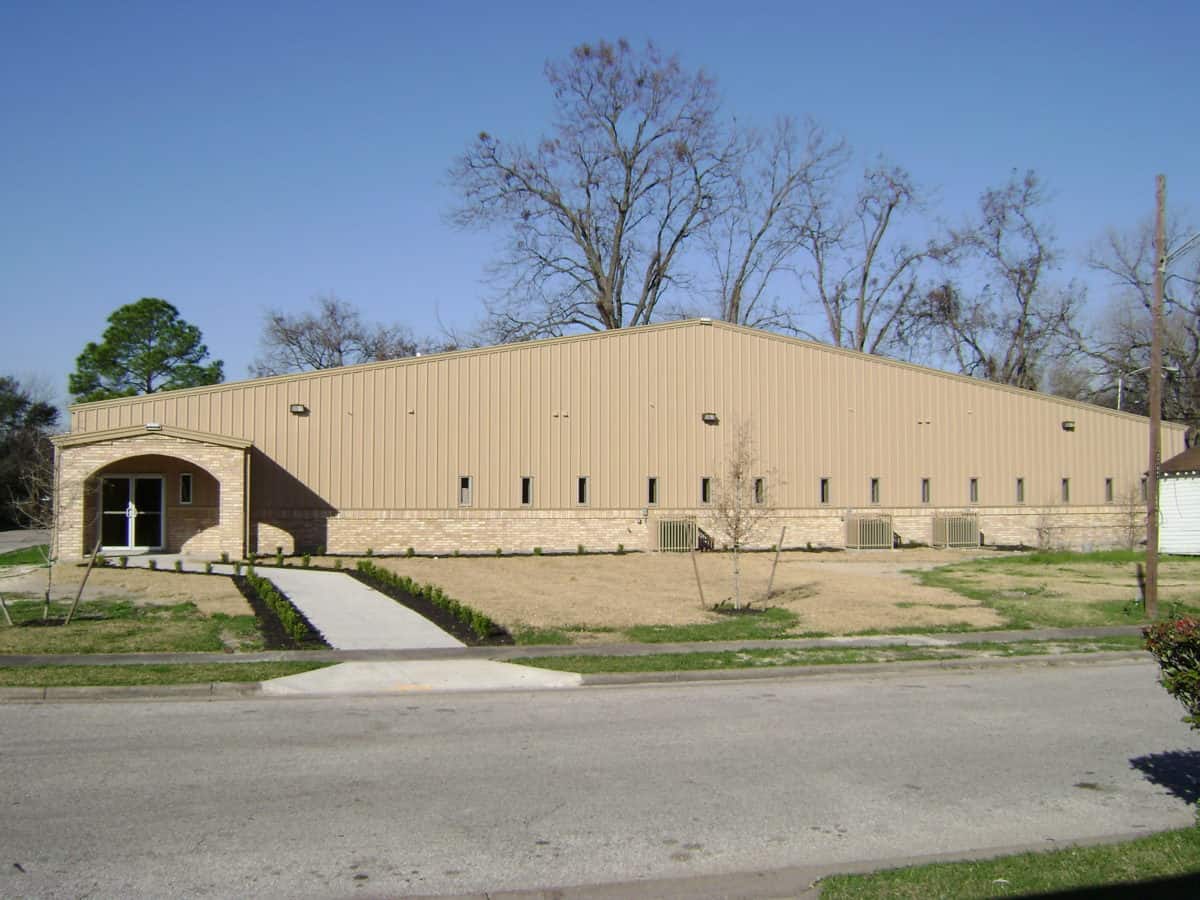
Prefabricated metal buildings deliver measurable advantages that conventional construction methods struggle to match: projects completed in half the time, upfront cost savings approaching 50%, and lifecycle durability backed by galvanized steel and factory-precision assembly. For commercial operators, agricultural producers, and residential builders evaluating construction options nationwide, the decision increasingly hinges on whether you can afford the delays, waste, and maintenance burden of stick-built alternatives.
The core advantage of prefabricated metal systems lies in parallel execution. While your foundation crew pours concrete, your building components are being cut, punched, and numbered in a controlled factory environment. By the time the slab cures, your steel arrives ready for bolt-together assembly with pre-drilled holes and engineered drawings in hand. This overlap eliminates the sequential bottlenecks that stretch conventional projects across months of weather delays, labor shortages, and material reorders.
What follows is a breakdown of the specific performance advantages that make prefabricated metal buildings the default choice for warehouses, riding arenas, commercial garages, barndominiums, and industrial facilities where speed, budget discipline, and long-term resilience matter more than architectural ornament.
Pre-engineered metal buildings can be assembled 30 to 50 percent faster than traditional construction methods such as pole barns and concrete block buildings. Projects can be completed in 30 to 50 percent less time than traditional construction options, equating to reduced downtime, quicker operations, and earlier revenue generation for commercial users. For example, Costco reportedly builds its metal warehouse stores in about 110 days, compared with 160 to 180 days for conventional construction.
The speed advantage comes from three compounding factors: factory fabrication, bolt-together assembly, and the ability to run foundation work and component manufacturing in parallel. While your site crew prepares the pad and pours the slab, your building is being cut and punched off-site. Computer-generated machines cut steel and punch holes accurately with few errors, which allows buildings to become operational faster and minimizes delays caused by weather or labor shortages.
Average erection rates for pre-engineered metal buildings run between 20,000 and 30,000 square feet per week, compared with 10,000 to 15,000 square feet per week for conventional steel framing. Parallel off-site fabrication and foundation work allows projects to proceed faster and more efficiently, which helps manufacturers reduce downtime and come online sooner. For businesses operating on tight lease windows, seasonal revenue cycles, or project-financing deadlines, that schedule compression translates directly into earlier cash flow and reduced carrying costs.
professional steel building foundation plays a critical role in maintaining this speed advantage. A properly engineered slab with anchor bolts positioned to match your building's base-plate layout ensures that erection begins the day your steel arrives, with no field adjustments or re-drilling required.

Pre-engineered metal buildings can reduce initial construction costs by up to 50 percent compared to traditional structures. This is due in part to their simple bolt-together design. Prefabrication methods allow for mass production, which helps cut down costs while maintaining high-quality standards. Because they are manufactured in a controlled environment, there is less waste, and material costs are lower than with traditional construction. Additionally, labor expenses are reduced since the assembly process is faster and requires fewer workers.
Factory fabrication precision cutting and pre-punching minimize scrap. Studies show pre-engineered metal building waste rates averaging 2 to 3 percent, with recyclable steel scrap further processed. This efficiency supports LEED MR Credit 2 for Construction Waste Management. Conventional stick-built construction typically generates 20 to 30 percent waste in the form of cut-offs, damaged lumber, and discarded concrete forms.
Metal building components arrive pre-cut, pre-drilled, and numbered to correspond with custom engineering drawings, simplifying on-site assembly. All connections have pre-punched holes and bolt together to simplify assembly. Plus, all the components are already cut and numbered to correspond with the custom drawings provided by engineers. This eliminates the field labor hours spent measuring, cutting, and fitting materials on-site, and it removes the risk of ordering excess material to cover mistakes or design changes mid-build.
These structures are most cost-effective when you need an open space and have low occupancy requirements. They work well for warehousing, storage, and some athletic facilities. For applications requiring complex interior partitions, high-end finishes, or multi-story layouts, the cost advantage narrows, but the speed and durability benefits remain.
Pre-engineered metal buildings are engineered to comply with all relevant local, regional, and national building codes, including wind, snow, seismic, and fire safety requirements. During the design phase, your building's specifications are tailored to match your site's climate zone, load conditions, and zoning regulations, ensuring code compliance from the ground up.
Modern pre-engineered metal building rigid frame designs achieve clear spans of 50 to 300 feet depending on building width and load requirements. This column-free space maximizes usable floor area for manufacturing, warehousing, and equipment layouts. Pre-engineered metal building primary framing follows AISC 360 for hot-rolled steel shapes. Secondary framing and panels conform to AISI S100 North American Specification for the Design of Cold-Formed Steel Structural Members. Both specifications ensure structural reliability through proven design methodologies and safety factors.
A metal commercial building is built to withstand harsh weather conditions, including heavy rain, snow, strong winds, and even seismic activity. These structures are made out of galvanized steel, which is coated with aluminum-zinc for protection against rust and fire. Unlike wood structures, pre-engineered metal buildings are resistant to pests like termites, ensuring long-term stability.
professional bracing in metal buildings distribute wind and seismic forces through diagonal bracing, portal frames, and moment connections. Engineers size these components based on your site's design wind speed, seismic zone, and snow load, then stamp the drawings for permit submittal. This front-loaded engineering removes the guesswork and field improvisation that often plague conventional framing projects.

Pre-engineered metal buildings can be designed with minimal to no interior columns, providing flexible interior layouts. This creates opportunities to set up dedicated areas for equipment storage, lifts, and spaces where people can work, lounge, or gather comfortably. For agricultural operators running large equipment, warehouse managers optimizing pallet flow, or aviation operators housing aircraft, the absence of columns eliminates the spatial compromises and circulation bottlenecks inherent in post-frame and pole-barn designs.
Designs can include expandable end walls. Remove a bolted frame, add new bays, and scale your facility as needed without rebuilding from scratch. This modular expandability allows businesses to phase construction in step with revenue growth, avoiding the capital strain of over-building upfront or the disruption of tearing down and relocating when capacity runs out.
professional steel building interior finishing range from exposed steel and insulated liner panels to full drywall, drop ceilings, and climate-controlled office suites. The clear-span framing allows you to partition the interior however your operation requires, then reconfigure those partitions later without touching the primary structure. For barndominiums and residential steel homes, this means open-concept living areas, vaulted ceilings, and mezzanine lofts that would require expensive engineered lumber or steel beams in a conventional stick-built home.
Modern prefabricated buildings include reflective roof panels, insulated wall systems, and air-sealed connections. For net-zero potential, add solar, high-efficiency HVAC, or green roofs. Prefabricated metal buildings are known for their energy efficiency, thanks to modern insulation materials and reflective metal panels that help regulate interior temperatures. With options like energy-efficient windows, insulated doors, and advanced ventilation systems, owners can reduce heating and cooling loads and qualify for Energy Star or LEED certification.
Metal buildings require minimal upkeep compared to wood or concrete structures. Their leak-free roofing systems and corrosion-resistant materials mean owners spend less time and money on maintenance. Steel buildings resist rot, ignition, corrosion, and rust, and do not require the protection provided by siding or stucco. Unlike wood-framed buildings that demand periodic termite treatment, siding replacement, and structural repairs from moisture damage, galvanized steel maintains its structural integrity for decades with minimal intervention.
Fire-resistant and disaster-resilient steel structures often qualify for up to 30 percent lower insurance premiums. Insurers recognize that metal buildings reduce the risk of total loss from fire, wind, and pest damage, and they price policies accordingly. For commercial operators managing multi-building portfolios, those premium savings compound across every renewal cycle.
Businesses that require work on remote locations with continuous movement of offices find that these steel buildings are perfect for their use. The structure can easily be lifted and kept on roofs or relocated to other construction sites for further use. As the prefab buildings are extremely strong, the movement does not harm the actual frame of the building. This relocatability is particularly valuable for mining operations, temporary field offices, and construction staging facilities where the building needs to follow the work.

Metal buildings can achieve up to 60 percent recycled material content and are 100 percent recyclable steel. Up to 60 percent recycled material, minimal jobsite waste, and full recyclability qualify for LEED points. Wikipedia's overview of prefabricated construction notes that factory-made components reduce on-site waste and environmental disruption compared to traditional building methods.
Factory fabrication precision cutting and pre-punching minimize scrap. Studies show pre-engineered metal building waste rates averaging 2 to 3 percent, with recyclable steel scrap further processed. This efficiency supports LEED MR Credit 2 for Construction Waste Management. At the end of the building's service life, the steel can be disassembled, transported to a recycling facility, and remelted into new structural shapes without loss of material properties. Concrete and wood structures, by contrast, typically end up in landfills or require energy-intensive grinding and downcycling.
Modern prefabricated buildings include reflective roof panels, insulated wall systems, and air-sealed connections. For net-zero potential, add solar, high-efficiency HVAC, or green roofs. Reflective metal panels reduce cooling loads by rejecting solar heat gain, while continuous insulation and sealed joints minimize air infiltration. For operators in hot climates or facilities with high cooling demands, these passive strategies can cut HVAC operating costs by 20 to 40 percent compared to uninsulated metal or poorly sealed stick-built envelopes.
Pre-engineered metal buildings serve a wide range of applications where speed, cost discipline, and open interior space outweigh the need for complex architecture. Agricultural operators use them for equipment storage, livestock shelters, and hay barns. Commercial users deploy them as warehouses, distribution centers, retail big-box stores, and automotive service centers. Industrial facilities rely on them for manufacturing plants, fabrication shops, and equipment maintenance bays. Residential builders have adopted them for barndominiums, metal garages, and RV storage buildings.
One professional custom barndominium in blue ridge ga demonstrates how prefabricated metal framing can deliver custom living spaces with open floor plans, high ceilings, and energy-efficient envelopes at a fraction of the cost and time required for conventional framing. The clear-span design allowed the homeowner to configure interior partitions without structural constraints, and the galvanized steel frame eliminated concerns about termite damage and wood rot common in the region.
Church buildings, riding arenas, and aviation hangars also benefit from the column-free interiors and rapid construction timelines. For congregations operating out of leased space or temporary facilities, a pre-engineered metal church building can be designed, permitted, and erected in a matter of months, allowing the organization to redirect rent payments into mortgage equity. For equestrian facilities, the clear-span design provides unobstructed riding space and flexible stall layouts that can be reconfigured as the operation grows.
When evaluating prefabricated metal buildings against conventional construction, focus on three decision points: project timeline, budget constraints, and long-term operational costs. If your project faces a hard deadline driven by lease expiration, seasonal revenue cycles, or financing terms, the 30 to 50 percent schedule compression offered by pre-engineered metal buildings may be the deciding factor. If your budget is fixed and you cannot absorb cost overruns from weather delays or material price volatility, the predictable pricing and minimal waste of factory fabrication reduce financial risk.
For long-term operational costs, compare the maintenance burden and energy consumption of each construction method. Metal buildings require minimal upkeep compared to wood or concrete structures. Their leak-free roofing systems and corrosion-resistant materials mean owners spend less time and money on maintenance. Energy-efficient designs with reflective metal panels, modern insulation, energy-efficient windows, insulated doors, and advanced ventilation systems reduce heating and cooling loads, which compounds savings over the building's lifespan.
Finally, consider expandability and future flexibility. If your operation is likely to grow or change, the bolt-together assembly and expandable end-wall designs of pre-engineered metal buildings allow you to add square footage without demolishing and rebuilding. Conventional construction typically requires tearing out walls, re-engineering foundations, and integrating new framing into old, which drives up costs and extends downtime.
Prefabricated metal buildings deliver measurable advantages in speed, cost, durability, and environmental impact. For commercial operators, agricultural producers, and residential builders evaluating construction options, the decision comes down to whether you need a building that goes up fast, stays within budget, and performs reliably for decades with minimal maintenance.
If you are ready to compare timelines, costs, and design options for your specific project, professional metal building quote and speak with an engineer who can tailor a pre-engineered metal building system to your site conditions, load requirements, and operational goals. For a broader look at the range of applications and building types we support, explore our visit our site and see how prefabricated metal construction adapts to warehouses, agricultural facilities, barndominiums, and industrial operations across the country.