Category: Metal Building

  • How MBMI Steel Buildings Handle Extreme Weather: Strength by Design

    How MBMI Steel Buildings Handle Extreme Weather: Strength by Design

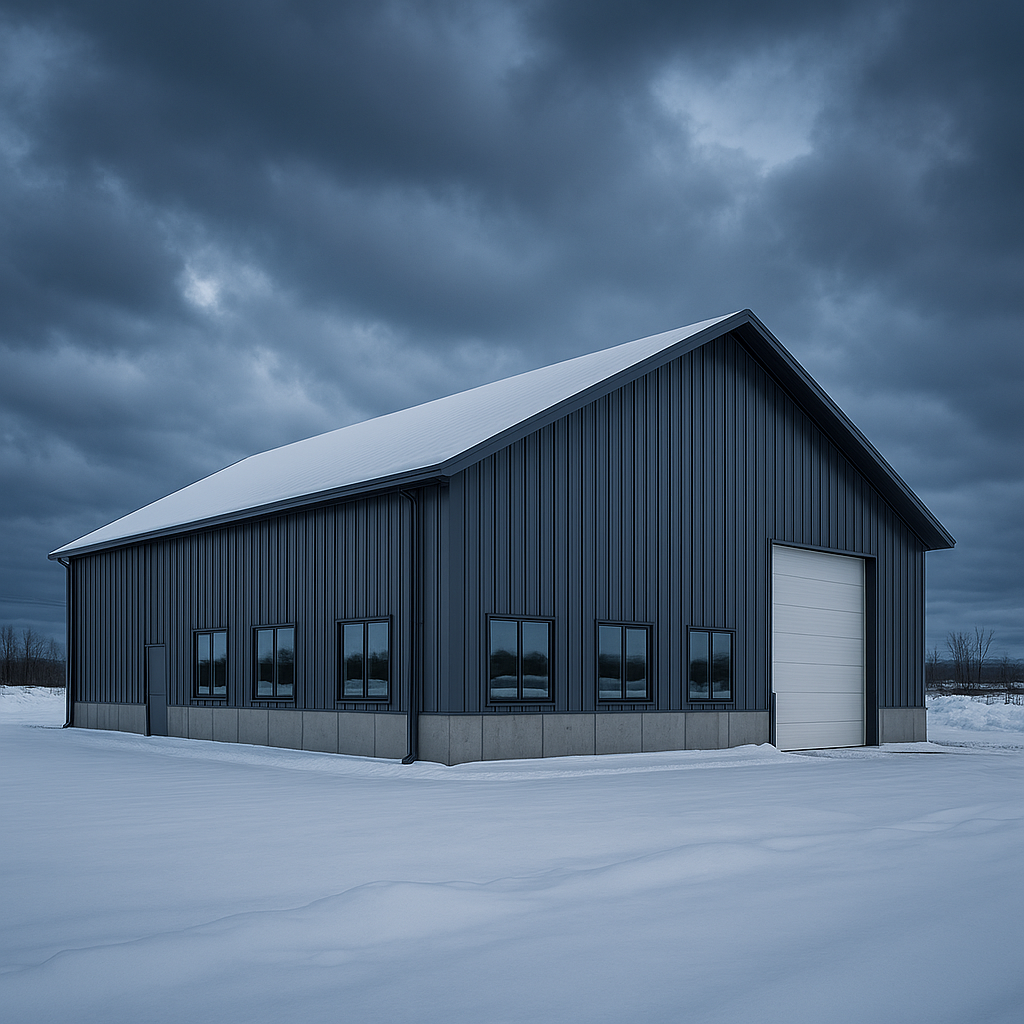
    In an era where climate unpredictability seems to be the new norm, the durability and resilience of steel buildings have become integral to constructing safe and secure spaces. Extreme weather events, ranging from hurricanes and tornadoes to heavy snowfall and seismic activity, pose real threats to any building structure. As such, investing in a building that can withstand these forces is paramount. At MBMI, our steel building designs are crafted with the specific intention of enduring such tests, ensuring that you receive a strong and reliable structure that stands the test of time.

    The need for strong, resilient buildings has grown exponentially as businesses and individuals seek solutions that offer both safety and efficiency. Understanding the elements that contribute to the longevity of steel buildings allows customers to make informed decisions—ones that ultimately safeguard their investments while delivering peace of mind.

    Engineered for Strength: The MBMI Advantage

    One of the cornerstones of MBMI’s success lies in our commitment to engineering excellence. Each building we create is custom-designed to meet local codes and exceed industry standards, which serves as a testament to our dedication to quality. Key features of our prefabricated metal buildings include:

    • High-Quality Components: We utilize premium-grade steel components that provide superior load-bearing capacity, ensuring the building can withstand various external forces, whether natural or man-made.
    • Advanced Engineering Practices: Our design processes rely on industry-leading engineering techniques, ensuring that every aspect of the structure contributes to its overall strength.
    • Customization for Different Needs: From agricultural warehouses to commercial spaces, we recognize the diverse requirements our clients may have. As such, our buildings are tailored to meet specific needs and challenges posed by the environments in which they are placed.

    By focusing on these elements, MBMI ensures that every building is designed not just for today’s realities but for the uncertainties of tomorrow.

    Key Features That Enhance Structural Integrity

    1. Cable Bracing: Reinforcing Stability

    Cable bracing is a critical feature in ensuring structural stability:

    • Lateral Movement Prevention: One of the primary roles of cable bracing is to counteract lateral forces acting on the building during extreme weather events such as high winds, tornadoes, or earthquakes. It helps maintain the structure’s integrity and prevents catastrophic failure.
    • Distribution of Force: Cable bracing works by evenly distributing forces throughout the building framework, which is especially crucial in large-span steel buildings where stability concerns can become more pronounced due to the vast open spaces.
    • Design Versatility: This system can be effectively integrated into various architectural designs, allowing for creative flexibility while not compromising on safety.

    2. Purlin Strapping: Added Roof and Wall Support

    The incorporation of purlin strapping involves particular advantages:

    • Minimized Roof Sagging: Purlins help provide additional support to the roof structure, significantly reducing sagging and ensuring that heavy loads such as snow are evenly distributed across the framework.
    • Wind and Load Resistance: Well-designed purlin systems improve the structure’s ability to withstand both heavy snow loads and pressures from high winds, further securing the longevity of the building.
    • Extended Durability: The added support purlins provide also increases the overall lifespan of roofing panels, giving owners confidence in their building’s operational effectiveness over time.

    3. Local Code Compliance: Built for Any Environment

    MBMI takes compliance seriously:

    • Geographic Customization: Our buildings are engineered according to the specific challenges posed by the location where they will be erected, ensuring adherence to local building codes for wind, snow, and seismic loads.
      • Hurricane and High Wind Areas: We institute high wind ratings for buildings in hurricane zones to withstand intense storms.
      • Snow-Prone Regions: Roof designs are reinforced to handle increased snow loads, which can put immense pressure on structures.
      • Seismically Active Zones: Our flexible yet durable construction methods provide buildings with the ability to absorb vibrations and shocks, thereby safeguarding against earthquake-related damage.

    The adherence to strict local codes not only meets regulatory standards but elevates the overall safety and security of our buildings.

    The Role of Insulation in Weather Protection

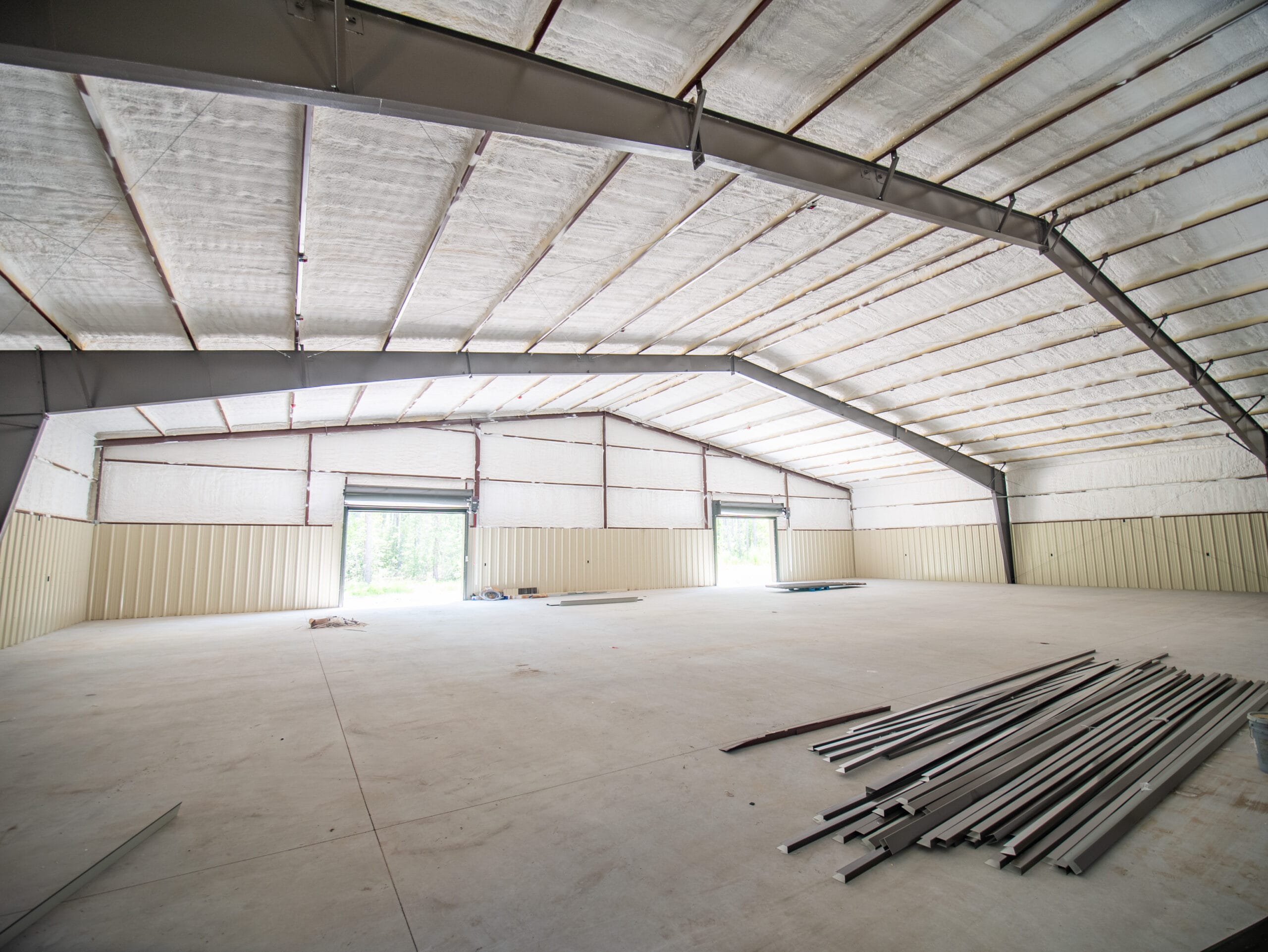
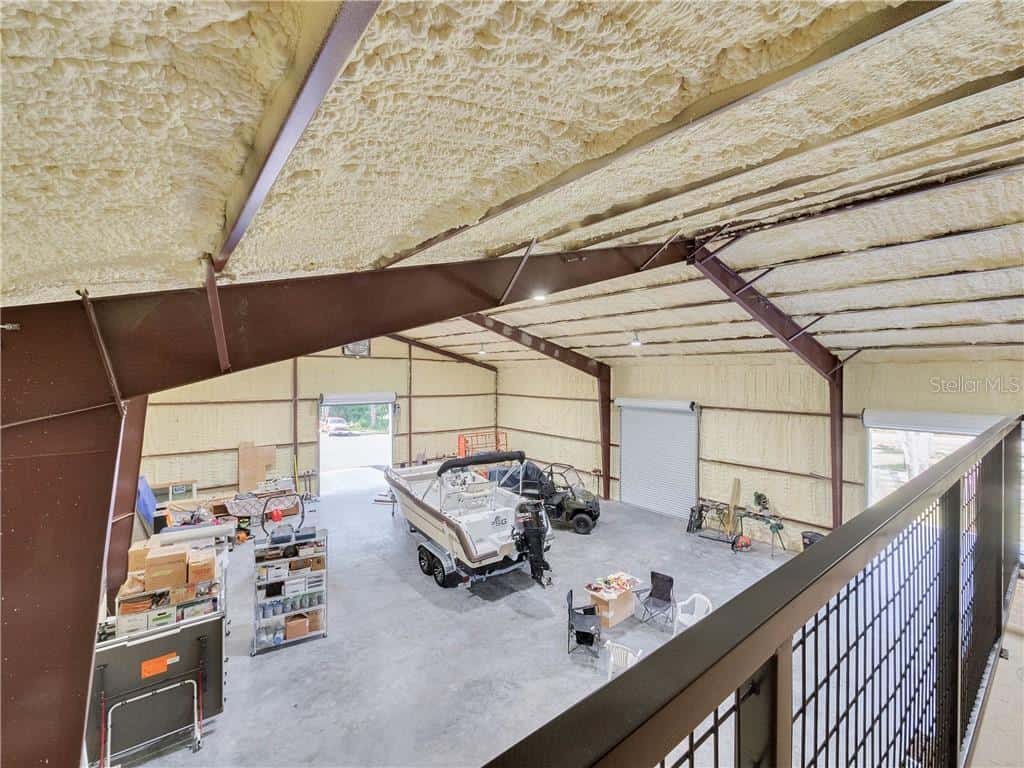
    The addition of insulation in insulated steel buildings takes weather protection to a new level:

    • Temperature Regulation: Insulated buildings combat extreme external temperatures, allowing for climate control that keeps interiors comfortable regardless of weather conditions outside.
    • Condensation Management: Proper insulation significantly reduces the likelihood of condensation, which can lead to water damage and the growth of mold and mildew if left unchecked.
    • Energy Efficiency: Insulated steel buildings reduce the need for excessive heating or cooling, leading to decreased energy costs and a lower carbon footprint. This energy efficiency is particularly important given rising energy costs and growing environmental awareness.

    Thus, insulation transforms steel buildings into not only durable structures but also more energy-efficient and comfortable spaces.

    Why MBMI Stands Out in Extreme Weather Protection

    MBMI has built its reputation on several key advantages that emphasize our commitment to safeguarding customers:

    • Premium Materials and Protective Coatings: We source the highest quality materials and apply advanced protective coatings that enhance the resistance of structures to rust and corrosion, significant threats in volatile weather.
    • Advanced Bracing Systems: Our bracing systems have demonstrated the ability to maintain integrity during even the harshest storms, providing unparalleled safety for occupants and the items contained within.
    • Robust Warranty Options: We back our products with 40-year paint warranties, ensuring protection against fading, chalking, and cracking. This warranty not only speaks to our confidence in our products but also adds to the value customers derive from their investment.

    By incorporating superior materials, innovative designs, and customer-focused warranty options, MBMI offers a level of protection and reliability that is difficult to match in the steel building industry.

    Conclusion 

    In conclusion, MBMI’s steel buildings are thoughtfully engineered to endure the most extreme weather conditions while maintaining structural integrity and aesthetic value. Our commitment to quality engineering, compliance with local codes, and customer satisfaction position us as a trusted leader in the steel building industry.

    If you’re looking for a durable, weather-resistant steel building, contact MBMI today. We are enthusiastic about discussing your project and offering expert guidance tailored to your needs. With MBMI, you can build with confidence, knowing that your structure is designed to last against the uncertainties of nature. Together, let’s create a steel building that not only meets your needs but exceeds your expectations for years to come.

  • Understanding MBMI Metal Buildings’ Industry-Leading Warranties

    Understanding MBMI Metal Buildings’ Industry-Leading Warranties

    When investing in a metal building, warranties play a crucial role in safeguarding your investment and providing peace of mind. They are not merely a promise; they signify the manufacturer’s commitment to quality and customer satisfaction. At MBMI Metal Buildings, the emphasis on durability and long-term protection is evident through our industry-leading warranties. These warranties underline the brand’s dedication to delivering exceptional value while ensuring that customers feel confident in their investment.

    The MBMI Commitment to Durability and Compliance

    At MBMI, each building undergoes custom-engineering tailored to meet local codes and withstand various environmental challenges, including high winds, heavy snow loads, and potential seismic activity. With an unwavering commitment to quality, MBMI sources only high-quality materials and adheres to strict manufacturing standards, ensuring durability and performance in all our products. By prioritizing compliance with regional regulations, MBMI guarantees that each metal building is built to last while offering customers a structure they can rely on.

    MBMI Metal Buildings’ Warranty Offerings

    We understand that solid warranties provide vital peace of mind for customers. Unlike many other manufacturers, we offer direct manufacturer-backed warranties, eliminating the complexities often associated with third-party involvement. This direct approach means customers can trust that their claims will be handled promptly and efficiently, ensuring satisfaction every step of the way.

    MBMI’s Warranty Coverage Options

    1. Building Warranty

    • The 1-Year Structural Warranty covers components manufactured by MBMI, assuring customers that every part meets approved design specifications and adheres to high-quality standards. This warranty reflects the confidence MBMI has in its engineering and construction methods.

    2. Paint Warranties

    MBMI provides a high-performance, 40-year paint warranty.

    This warranty covers protection against peeling, cracking, chalking, and excessive fading, ensuring that your building maintains its aesthetic appeal and function for decades.

    3. Weather Tightness Warranties

    MBMI also offers warranties ensuring that roofing and siding panels remain watertight over time:

    • Up to 20-year coverage is available with several options for inspections:
      • A Standard Weather Tightness Warranty includes one inspection at completion to ensure quality.
      • The NDL (No Dollar Limit) Weather Tightness Warranty includes three inspections (initial, midway, and completion), providing extra reassurance.
      • Transferable Warranty enables the option to transfer coverage to a new owner in the event of a property sale, enhancing the value of your building.

    Why MBMI Warranties Stand Out

    MBMI’s warranties set the company apart in several key areas:

    • Direct Claims Handling: There are no third-party delays involved. All warranty claims are managed directly by MBMI’s expert team, ensuring quick resolutions.
    • Superior Materials: MBMI utilizes premium materials and coatings, which minimizes maintenance needs and extends the overall lifespan of the building.
    • Comprehensive Coverage: Warranty options cover essential elements including wall panels, roof systems, trim, and fasteners, offering protection against minimal wear and tear, ultimately preserving your investment.

    Conclusion

    Investing in a metal building represents a significant commitment, and MBMI’s warranties are designed to provide the assurance and protection necessary for your peace of mind. With our comprehensive coverage and commitment to quality, customers can be confident in their decision to choose MBMI.

    If you’re contemplating a new metal building project, contact MBMI Metal Buildings today to discuss your needs. Your ideal building solution awaits, and with MBMI’s exceptional warranties, you’ll have the security and support you deserve.

  • The Importance of Bracing in Metal Buildings and Why It Matters

    The Importance of Bracing in Metal Buildings and Why It Matters

    Bracing is an essential component in metal building construction, serving as a critical factor in ensuring structural integrity and safety. With the potential to encounter various external forces, such as wind, seismic activity, and ground shifting, understanding how bracing enhances stability is vital for any building project. By effectively distributing these forces, bracing in metal buildings allows them to withstand stresses that could lead to bending, swaying, or even collapse.

    What is Wall Bracing?

    Wall bracing is defined as the structural support system designed to stabilize walls in a building. Its primary function in metal buildings is to distribute external forces evenly, preventing deformation due to lateral pressures. When wind or seismic activity occurs, wall bracing prevents the potential bending or swaying of the structure, ultimately ensuring its upright position and longevity.

    Strategically placing bracing in key locations is crucial for ensuring long-term durability and performance. Properly designed bracing systems can significantly enhance the structural capacity of metal buildings, ensuring they remain compliant with local building codes and resilient against environmental challenges, acting as a fundamental safeguard for all occupants within the structure.

    Types of Wall Bracing in Metal Buildings

    Various types of bracing methods can be adopted in metal buildings, each with its own advantages and suitability for different applications. Here’s a look at some primary wall bracing techniques:

    1. Diagonal Bracing (Rod or Angle Bracing)

    Diagonal bracing is a traditional method that employs diagonal steel rods or angle iron to reinforce the structure. This technique creates a triangular reinforcement framework that efficiently transfers lateral loads down to the ground. It is known for being cost-effective and is widely used in many steel buildings. This simple yet effective approach helps prevent structural deformation by ensuring that external forces are adequately managed.

    2. Shear Panels (Shear Walls)

    Shear panels, also known as shear walls, are solid panels made from materials such as steel or reinforced elements installed within the framing of the building. These panels provide a continuous surface that resists lateral forces, significantly enhancing the structural stability of the building. Shear panels are particularly advantageous in structures with large openings or fewer frame connections, where traditional methods may be less effective.

    3. Cable Bracing

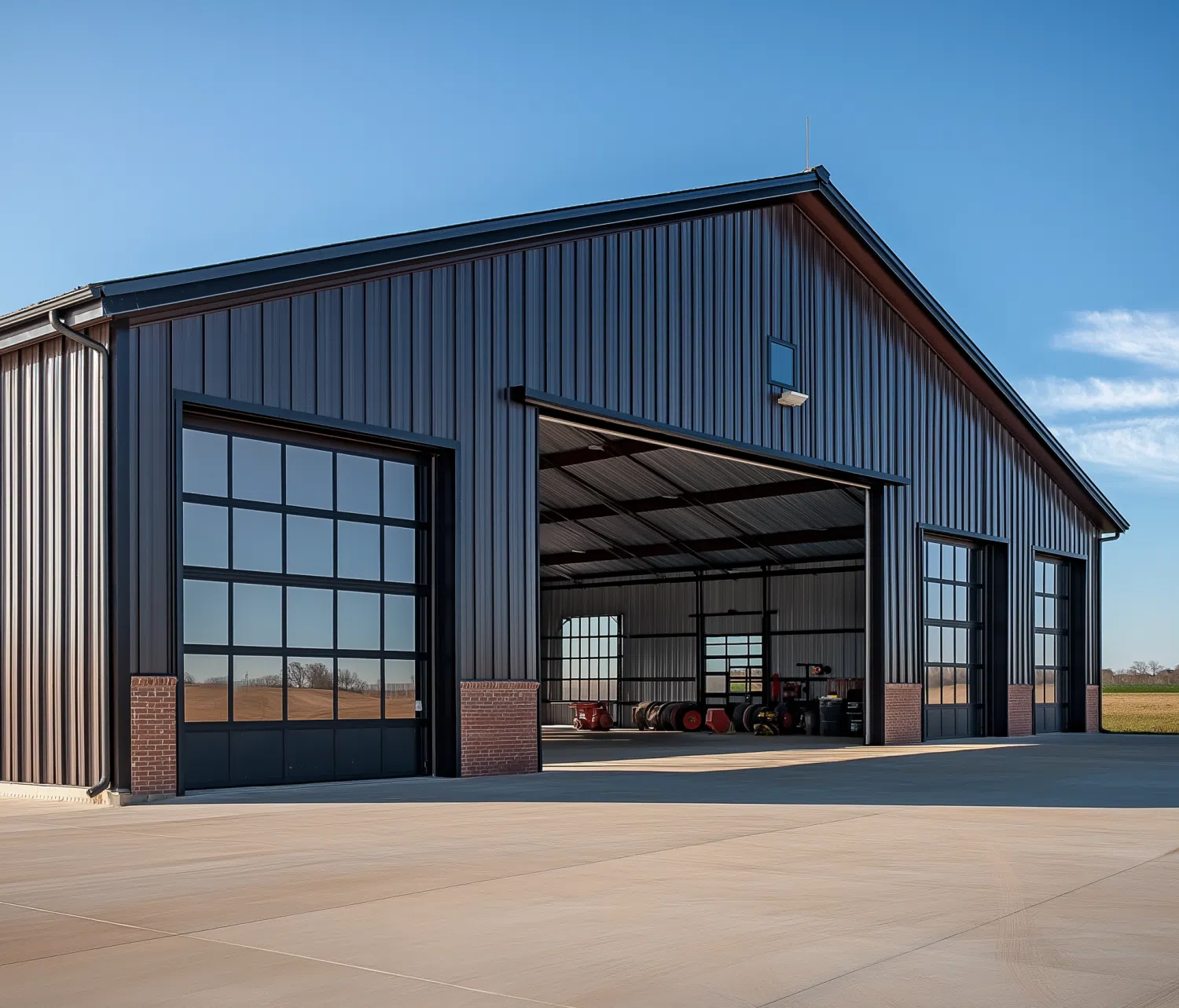
    Alternatively, cable bracing utilizes high-tensile steel cables tensioned between structural members to resist lateral loads. This bracing method is adjustable, allowing for precise load distribution, and is especially useful in larger, open-span buildings. Cable bracing is commonly employed in warehouses, aircraft hangars, and various industrial applications where expansive space is crucial, delivering both flexibility and structural stability.

    4. Cross-Bracing (X-Bracing)

    Cross-bracing incorporates two diagonal braces that intersect in the middle, forming an “X” shape. This system effectively resists horizontal forces and adds stiffness to the structural frame. It is very economical and can use steel cables, solid rods, or even steel angle, although its use depends on building size and local codes. Cross-bracing systems are particularly ideal for buildings located in hurricane-prone or high-wind areas, ensuring a greater level of stability under adverse conditions.

    5. Portal Frame Bracing

    Portal frame bracing consists of rigid frames placed at critical points throughout the structure to provide additional support. This method is often utilized when cross-bracing is impractical due to the presence of large doors or openings. By reinforcing stability without obstructing the interior space, portal frame bracing offers a practical solution without needing extensive structural modifications.

    6. K-Bracing & V-Bracing

    K-bracing and V-bracing are both versatile bracing techniques that enhance stability while allowing for design flexibility. K-bracing consists of diagonal braces forming a sideways “K” shape, which helps to distribute loads efficiently. V-bracing, on the other hand, features two diagonal braces meeting at a central point to create a “V.” Both systems provide critical resistance to buckling and beam bending, contributing to the overall structural integrity.

    7. Eccentric Bracing for Seismic Resistance

    Eccentric bracing is characterized by diagonal braces that connect to the beams at separate points rather than a single intersection. This innovative design absorbs seismic energy effectively, minimizing structural strain during earthquakes. Eccentric bracing is prevalent in areas prone to seismic activity, ensuring that buildings remain safe and operational in the face of natural disasters.

    Why is Wall Bracing Important?

    The necessity of wall bracing in metal buildings can’t be overstated. It plays a critical role in maintaining the overall integrity and safety of a structure.

    1. Ensuring Structural Integrity

    Bracing is fundamental for ensuring that metal buildings can withstand a variety of environmental stresses, including high winds, heavy snow loads, and seismic activity. Without adequate bracing, structures may suffer deformation under these pressures, which can lead to significant structural failure. Effective bracing helps distribute these forces throughout the frame, preventing bending or buckling and ensuring the long-term durability of the building.

    2. Enhancing Safety for Occupants

    The safety of the individuals who occupy a building should always be a priority. Properly implemented bracing minimizes the risks of collapse or severe structural damage during extreme weather events or natural disasters. By fortifying the building’s framework, occupants—whether they are employees, customers, or residents—are better protected, along with their assets, in the event of a catastrophe.

    3. Meeting Building Code Requirements

    Another critical aspect of wall bracing is its role in compliance with building codes. Local, state, and national building codes are designed to ensure safety standards are met across the industry. Adhering to these regulations not only provides legal approval for construction but also assures owners that their structures are built with safety in mind. At MBMI Metal Buildings, we prioritize code compliance by integrating bracing solutions that meet or exceed these stringent standards.

    4. Reducing Maintenance & Repair Costs

    Offering an additional layer of financial benefit, well-braced buildings tend to require less frequent maintenance and are less likely to experience structural failures. By enhancing durability from the outset with effective bracing, owners can significantly reduce long-term repair costs associated with damage that might arise from inadequate structural support. Investing in high-quality bracing solutions ultimately leads to cost savings and peace of mind in the long run.

    How MBMI Metal Buildings Incorporates Advanced Bracing Solutions

    At MBMI Metal Buildings, our commitment to quality and reliability manifests in how we engineer our metal buildings, especially concerning bracing solutions.

    Our structures are intelligently designed with customized bracing systems that suit the local environmental conditions of each project. Each building is evaluated individually, ensuring the chosen bracing methods will provide the best support against potential stresses.

    Code Compliance & Safety

    We ensure that all our structures meet or exceed industry standards for wind, snow, and seismic loads, so you can feel confident in the integrity of your building.

    Custom Solutions

    Recognizing that each building has unique needs, MBMI offers tailored bracing solutions based on factors such as building size, geographical location, and intended use. Whether your project requires standard bracing or more specialized solutions, we can design a system that fits perfectly.

    High-Quality Materials

    We use premium steel components to ensure superior strength and longevity, which are essential characteristics in any reliable building. Our focus on quality materials upholds the structural integrity of our braced buildings, making them resilient over time.

    Conclusion

    In summary, wall bracing is vital in the construction of metal buildings, playing an essential role in ensuring safety, compliance, and long-term structural integrity. Proper bracing not only helps safeguard occupants and their assets but also alleviates potential long-term maintenance and repair costs.

    At MBMI Metal Buildings, we understand the importance of effective bracing solutions and are committed to helping our customers design strong, well-braced steel structures for a variety of applications.

    If you are planning a metal building project and need expert guidance on bracing solutions, contact MBMI Metal Buildings today. Let us help you create a durable and reliable structure that stands the test of time.

  • Designing Multi-Purpose Agricultural Steel Buildings

    Designing Multi-Purpose Agricultural Steel Buildings

    In the ever-evolving world of agriculture, the demand for adaptability and efficiency is more pressing than ever. As industry needs shift—driven by technological advancements, climate considerations, and market changes—the design of agricultural buildings must evolve in tandem. Multi-purpose agricultural steel buildings have emerged as a favored solution among farmers and agricultural enterprises, offering a versatile and efficient way to accommodate a range of activities.

    Understanding Multi-Purpose Agricultural Steel Buildings

    Defining Multi-Purpose Agricultural Buildings

    Agricultural steel buildings are versatile structures that serve various functions to support agricultural operations and business activities. These buildings are designed to accommodate equipment storage, livestock housing, crop processing, retail space, and more.

    Key Characteristics

    The versatility of these buildings allows for:

    • Flexibility: Space can be adapted based on seasonal demands, different types of livestock, or changing market needs.
    • Efficiency: The ability to utilize one structure for multiple functions reduces overhead costs and maximizes return on investment.

    The Trend Toward Versatility

    With the trend toward diversified farming practices, the ability to repurpose existing structures has become essential for agricultural businesses. For instance, a single facility may need to transition from storing equipment in the off-season to hosting a retail space during peak harvest days.

    Key Considerations in Designing Multi-Purpose Buildings

    When planning multi-purpose agricultural buildings, there are several essential factors to consider:

    Purpose Flexibility

    Designs should allow for versatile use over time. Consider incorporating modular design elements or movable internal partitions to ensure space can be transformed as needs evolve.

    Space Planning

    Optimize layout to accommodate varying agricultural activities, ensuring there are open spaces for equipment maneuvering, livestock movement, and efficient storage management.

    Zoning and Local Regulations

    Understanding zoning laws and building codes is critical to ensuring compliance and aligning with local agricultural practices. Planning should incorporate relevant regulations to avoid delays or modifications post-construction.

    Design Elements to Enhance Functionality

    Building Layout

    Effective layout design is crucial for enhancing workflow. Establish designated areas for receiving deliveries, processing crops, and storing equipment—all contributing to operational efficiency.

    Ventilation and Climate Control

    Proper ventilation plays a vital role in maintaining the well-being of livestock and crops. Consider both passive and mechanical climate control systems to optimize temperature and air quality.

    Natural Light Utilization

    Incorporate windows and skylights in the design to enhance energy efficiency and improve the welfare of workers and animals. Natural light fosters a healthier environment while reducing the dependence on artificial lighting.

    Loading and Access Considerations

    Design wide entryways and access points to facilitate efficient movement of large equipment and livestock. Strategic placement ensures smooth operations and minimizes traffic congestion in busy areas.

    Infrastructure and Utilities Integration

    An integrated approach to infrastructure and utilities must be carefully planned:

    Water Supply and Drainage

    Effective water management systems are essential for agricultural needs. Plan for efficient water supply, wastewater management, and drainage solutions that align with community regulations.

    Electrical Systems

    Adequate electrical planning is vital for powering machinery, lighting, and climate control systems. Consider the incorporation of renewable energy sources, such as solar panels, to complement energy needs sustainably.

    Internet Connectivity

    Incorporating modern technology in agricultural practices is vital for efficiency. Ensure internet connectivity is addressed, allowing for technology-driven solutions such as smart farming and real-time monitoring.

    6. Customization Options for Agricultural Steel Buildings

    Customization can help ensure that agricultural buildings are suited to specific functions:

    Available Customization Options

    Consider the following customization features:

    • Size and Layout Configurations: Tailor dimensions based on intended use—whether for livestock, equipment, or storage.
    • Color and Finish: Varied color schemes can enhance aesthetics and align with a farmer’s branding or visual preferences.

    Case Studies of Customized Multi-Purpose Buildings

    Examine examples of customized structures that demonstrate enhanced practicality for agricultural purposes, showcasing how tailored designs optimize functionality.

    Sustainability in Design

    Sustainable design practices are often the foundation for modern agricultural buildings:

    Overview of Sustainable Practices

    Implement energy-efficient systems, including:

    • Insulation and Heating/Cooling Technologies: Optimize designs to minimize heat loss and maximize energy efficiency.
    • Solar Panels and Rainwater Collection Systems: Incorporate technologies that reduce dependency on public utilities while promoting self-sufficiency.

    Benefits of Sustainable Building

    Sustainable practices benefit agriculture by reducing costs and environmental impact while improving community engagement and health outcomes.

    Future Trends in Agricultural Steel Building Design

    Staying ahead of emerging trends is crucial for agricultural efficiency:

    Smart Buildings Equipped with IoT Devices

    Incorporating smart technology into building design can streamline processes through real-time monitoring and management.

    The Use of AI and Data Analytics

    AI and data-driven insights can optimize agricultural operations—helping producers make informed decisions based on accurate data regarding yield forecasting or resource management.

    Modular and Prefabricated Solutions

    Continuing to explore modular designs allows for flexible expansion as agricultural practices grow and evolve while reducing construction waste and costs.

    Conclusion

    Designing versatile agricultural steel buildings complements modern agricultural practices while maximizing efficiency and functionality. By integrating tailored features and embracing sustainable practices, farmers can ensure their facilities adapt as needs evolve.

    Are you ready to maximize efficiency and flexibility in your agricultural operations? Contact MBMI Metal Buildings today to explore your options for designing high-quality, customizable steel buildings tailored to your unique agricultural needs. Let our expert in-house design and engineering team assist you in creating a structure that enhances your productivity and meets the demands of your evolving agricultural enterprise!