
TL;DR: Profitable RV and boat storage comes down to door height, bay depth, drive-aisle width, and unit mix. Size those to the vehicles and the math works.
An RV and boat storage facility is a steel building, or a row of them, designed to shelter large recreational vehicles in individual bays that owners rent by the month. Demand is steady because RVs and boats are expensive, HOAs and driveways rarely allow them, and owners want them out of the sun and weather between trips. The design challenge is straightforward but unforgiving: the doors, bays, and drive aisles have to fit the actual vehicles, because a bay a foot too short or a door a foot too low sits empty. Get the dimensions right and a clear-span steel shell turns into a durable, leasable income stream.
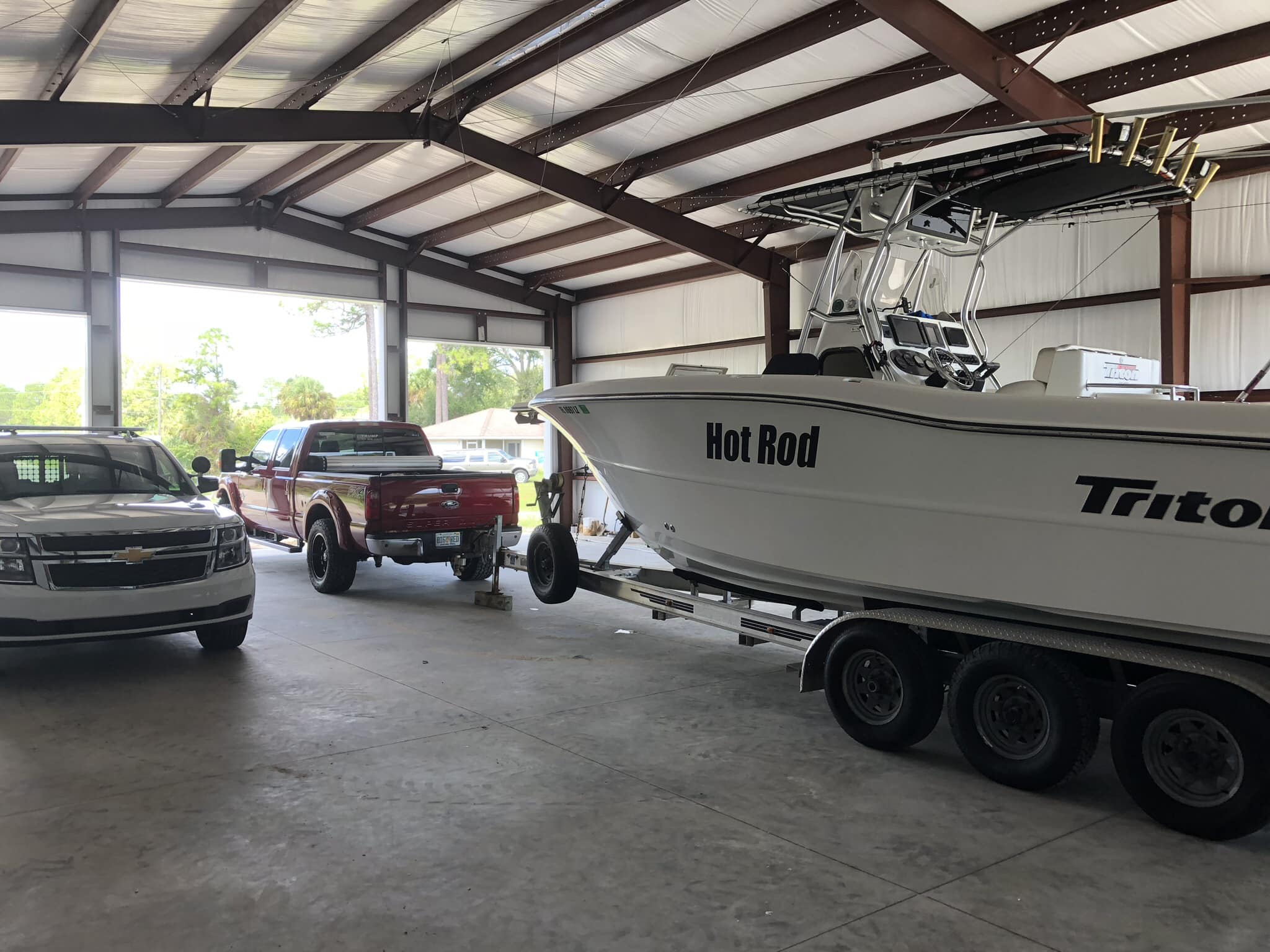
Every profitable RV and boat storage building starts with the vehicles you intend to store. According to the RV Industry Association, recreational vehicles range from motorized RVs to towables like travel trailers, fifth wheels, and truck campers, and they vary widely in size. A large Class A motorhome can run past forty feet long and stand twelve to thirteen feet tall, while a boat on a trailer adds tongue length and often a tall wakeboard tower. Design to the big end of that range or you shut out the highest-paying renters.
Door clearance is the single most common design mistake in RV storage. A door that clears a fourteen-foot opening comfortably accepts the tallest motorhomes and towered boats, while shorter doors quietly cap your market to smaller units. Width matters too, since a driver backing a long trailer needs margin on both sides. It costs little to add height and width at the design stage and a great deal to retrofit a taller door later.
Bay depth should hold your target vehicle plus working room to walk around it, commonly in the forty to fifty foot range for the largest units. Smart operators build a mix rather than one size, pairing deep premium bays with shorter, cheaper units for smaller trailers and boats. That mix lets you capture the whole market and price by size. Because a steel building is engineered to your plan, you can lay out that unit mix exactly rather than forcing every renter into one module.
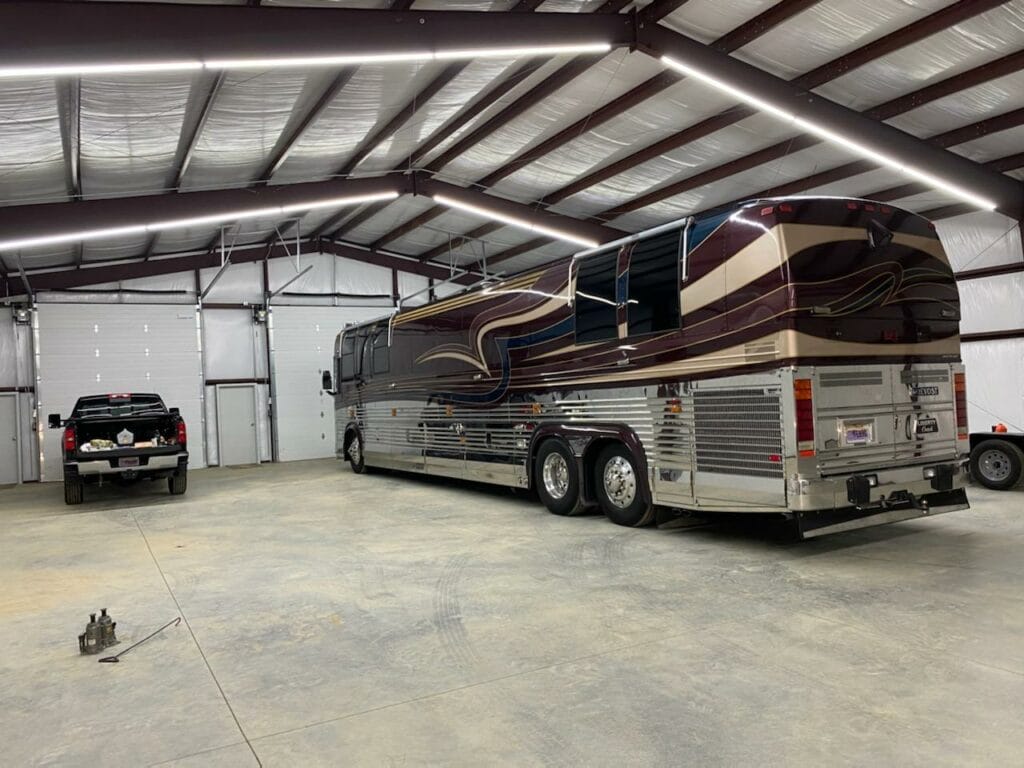
The drive aisle is where big vehicles either maneuver easily or clip a door frame. Long RVs and trailered boats have wide turning radii, so aisles need to be generous, often sixty feet or more between facing rows of deep bays. Cramped aisles frustrate renters, cause damage claims, and slow move-ins and move-outs. Plan the whole site for a driver who is backing a forty-foot rig, not for a passenger car.
Site flow also shapes security and access. A single controlled entry, wide gates, good lighting, and clear sightlines down the aisles protect valuable vehicles and reassure renters. Surfacing matters as well, since heavy rigs rut soft ground and track mud, so most operators pave or use compacted engineered surfaces in the aisles. These are site decisions made with your civil engineer, and they are as important to leasing as the buildings themselves.
Storage comes in tiers, and the tier you build sets your rent and your buildable unit count. Open canopy storage is the cheapest to build and blocks sun and rain, but it leaves vehicles exposed to blowing weather and offers less security. Fully enclosed drive-in bays command higher rent and protect against theft and weather, which is what most owners of newer, pricier rigs want. Climate-controlled space sits at the top, appealing to boat owners and collectors who worry about humidity, mold, and finish damage.
Many successful facilities blend tiers on one site to serve every budget and maximize revenue per acre. A clear-span steel building from MBMI Metal Buildings supports all three because the same frame accepts open sides, roll-up doors, or an insulated and conditioned envelope. Matching the tier mix to local demand is where an operator earns the margin, and it is worth studying comparable facilities before you commit. The right blend depends on your climate, your competition, and the vehicles your market actually owns.
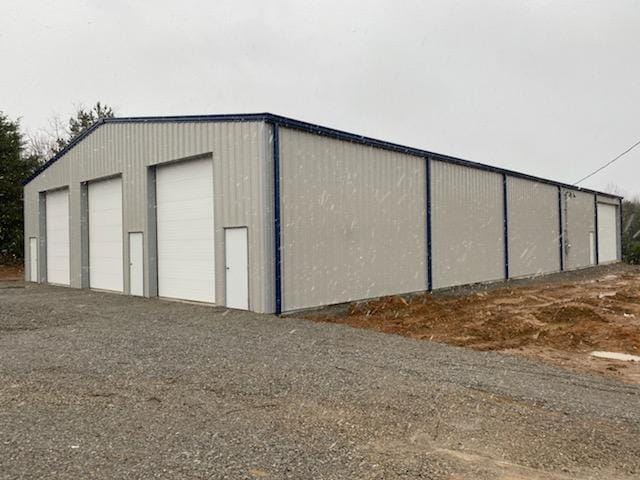
RV and boat storage appeals to investors because it runs lean. There is no climate-sensitive inventory to babysit, staffing is minimal, and renters tend to stay for years because moving a stored rig is a hassle. Revenue comes from rentable square footage, so the design goal is to fit the most leasable bays on the site while keeping aisles workable and the unit mix matched to demand. A building that wastes space on oversized aisles or dead corners quietly lowers your return.
Durability drives the long-term return as much as the rent roll. Steel resists the rot, pests, and fire exposure that plague wood structures, and long roof and paint warranties keep maintenance predictable across decades of operation. A low-maintenance, long-life shell is exactly what a hold-for-income asset needs. When you compare storage against other uses for the same parcel, a durable steel shell often pencils out well because operating costs stay low.
A storage building rests on a foundation designed for your soil and loads. MBMI delivers the engineered building and the anchor-bolt plan, and the buyer arranges the foundation and paving locally with a concrete contractor who pours to the engineered drawings and pulls the site permit. Storage buildings also carry their own occupancy and fire requirements, so confirm local code with your design team, since larger enclosed facilities can trigger sprinkler and separation rules.
When you are ready to model a specific site, you can get the shell priced for your site with your bay count and dimensions in hand.
Design to the tallest vehicles you want to serve. A door clearing roughly fourteen feet accepts large Class A motorhomes and boats with towers, while shorter doors limit you to smaller units. Because taller doors are hard to add later, most operators build the extra clearance in from the start to keep the full market open.
Deep enough for the target vehicle plus room to walk around it, often forty to fifty feet for the largest RVs and trailered boats. A mix of depths works best, pairing premium deep bays with shorter units for smaller trailers. That range lets you capture the whole market and price each bay by size.
Canopy storage is an open-sided roof that blocks sun and rain at the lowest cost, while enclosed bays add walls and doors for security and full weather protection at higher rent. Climate-controlled space adds conditioning for humidity-sensitive boats and collector vehicles. Many facilities blend all three to serve every budget on one site.
It runs with low labor, minimal upkeep, and long tenant stays, since moving a stored rig is inconvenient. Returns come from rentable square footage, so an efficient layout with the right unit mix drives the yield. A durable steel shell keeps operating costs low across decades, which is what a hold-for-income asset needs.
The buyer arranges both locally. MBMI ships the engineered building and the anchor-bolt plan, and a concrete contractor pours the foundation and paves the drive aisles to the engineered drawings and local conditions. Coordinating the surfacing early matters because heavy rigs demand durable aisles.