Author: Jennifer

  • Essential Maintenance and Care Tips for Metal Buildings

    Essential Maintenance and Care Tips for Metal Buildings

    Maintaining metal buildings is crucial for their longevity and durability. These structures, whether utilized for commercial, agricultural, or residential purposes, require regular maintenance to safeguard their integrity and appearance. Proper care for metal buildings not only extends their lifespan but also enhances their functionality, ensuring that owners get the most out of their investment.

    Routine Inspections

    Frequency of Inspections

    Regular inspections are essential for identifying potential issues early. Consider conducting monthly inspections for critical areas, while seasonal reviews—especially before and after harsh weather—can help catch problems that may arise.

    Key Areas to Inspect

    Focus on these crucial areas during inspections:

    • Roof: Check for signs of damage, loose panels, or leaks.
    • Walls: Look for dents, rust, or signs of wear.
    • Foundation: Inspect for cracks or settlement issues that could compromise stability.
    • Doors: Examine for proper alignment and functionality, ensuring they open and close smoothly.

    Signs of Wear and Damage

    When inspecting your metal building, keep an eye out for:

    • Dents: Could indicate structural issues or have occurred from external impacts.
    • Rust: Appears as a reddish-brown color, signifying corrosion that must be addressed promptly.
    • Corrosion: Look for flaky or peeling paint, which can signal underlying issues.

    Cleaning Recommendations

    Best Practices for Exterior Cleaning

    Proper cleaning ensures that your metal structure maintains its aesthetic appeal while preventing damage. Use the following recommendations:

    • Right Cleaning Agents: Always select a mild detergent to avoid stripping protective coatings. Avoid acidic or abrasive products.
    • Ideal Cleaning Tools and Techniques: Soft bristle brushes, sponges, and microfiber cloths are ideal for routine cleaning, reducing the risk of scratches.

    Interior Maintenance

    Keeping the interior of metal buildings free of dust and debris is equally essential. Regular sweeping and vacuuming help maintain a clean environment.

    Pressure Washing: When and How to Do It Safely

    Pressure washing can be effective for deep cleaning, particularly on exteriors. Use a low-pressure setting to avoid damage—ideally below 1,500 PSI— and start from the top, working your way down to prevent streaking.

    Preventing Rust and Corrosion

    Importance of Rust Prevention

    Rust can significantly impair the integrity of metal buildings over time, making prevention crucial. Regularly addressing rust will extend durability and minimize maintenance costs.

    Protective Coatings

    Consider using protective coatings such as galvanized finishes or rust inhibitors. These can be applied with a spray, brush, or roller:

    • Galvanized Paint: Provides an excellent barrier against moisture.
    • Rust Inhibitor Coatings: Specifically designed to prevent corrosion.

    Monitoring Humidity Levels

    Controlling humidity levels helps reduce the risk of corrosion. Invest in moisture control systems or dehumidifiers to maintain an adequate level of dryness within the structure.

    Managing Insulation and Energy Efficiency

    Regular Checks on Insulation Integrity

    Inspect insulation for any signs of wear or settling. Ensuring the integrity of insulation is vital for effective thermal management, which lowers energy costs and enhances comfort.

    Tips for Improving Energy Efficiency

    • Seal Gaps: Look for cracks and gaps around windows and doors and seal them effectively.
    • Reflective Roofing: Consider upgrades to reflective roofing options to keep temperatures down.

    HVAC System Maintenance

    Regular servicing of HVAC systems ensures efficiency. Schedule professional inspections at least once a year to check for proper functioning and address any potential issues early.

    Addressing Structural Concerns

    Importance of Foundation Maintenance

    Your building’s foundation is crucial to its stability. Watch for signs like cracks in walls or floors, which could indicate potential issues.

    Solutions for Settling Structures

    If your building is settling, apply techniques such as:

    • Underpinning: Strengthening the foundation by adding support beneath.
    • Filling voids: Using foams or cement to fill gaps that cause shifts.

    Identifying Frame Issues

    Early detection of frame issues is critical. Look for misalignment or gaps where panels meet, which may lead to larger structural problems if not addressed.

    Door and Window Maintenance

    Regular Checks for Seal Integrity

    Ensuring seals are intact helps prevent air leaks and energy loss. Inspect seals regularly, especially in older buildings.

    Lubrication Tips for Hinges and Locks

    Use a silicone-based lubricant to maintain smooth operation of hinges and locks. Regularly lubricate every few months, or as needed, to avoid rust and wear-related jams.

    Repairing or Replacing Damaged Elements

    Address any damage promptly:

    • DIY Repairs: Simple issues like replacing a lock or tightening screws can be done independently.
    • Professional Help: For larger structural repairs or replacements, consider hiring a professional.

    Preparing for Seasonal Changes

    Winter Readiness

    Prepare for winter by managing snow loads and preventing ice buildup. Ensure roofs are cleared of snow to avoid excess weight, which can damage structural integrity.

    Summer Strategies

    In summer, focus on keeping the interior cool. Shade the building with trees or awnings, and apply reflective coatings to manage heat levels effectively.

    Seasonal Preventative Care

    Adjust maintenance plans according to climate changes. Regularly reviewing and updating your maintenance checklist will help address the unique challenges posed by each season.

    Working with Professionals

    When to Hire Professionals vs. DIY Maintenance

    Understanding when to tackle repairs yourself and when to hire professionals is vital. For routine cleaning and minor repairs, DIY approaches can be effective. However, consulting experts for significant structural or complex systems issues is often necessary.

    Finding Reputable Contractors

    Research local contractors experienced with metal buildings. Look for reviews, recommendations, and past work examples to ensure quality service.

    Importance of Keeping Maintenance Records

    Maintaining a detailed log of inspections, repairs, and maintenance history is crucial. These records can help protect warranties and provide valuable references for future maintenance needs or property valuation.

    The MBMI Difference

    At MBMI, many of the concerns related to maintenance are alleviated due to the quality of our products and designs. From our fasteners that are guaranteed not to rust to our 40-year warranty on our panels (and much more), our steel buildings are built to last

  • Exploring the Advantages of Metal Church Buildings: A Guide from MBMI

    Exploring the Advantages of Metal Church Buildings: A Guide from MBMI

    In recent years, there has been a noticeable shift towards utilizing metal for church construction, a trend that reflects not only modernization but also an appreciation for durability and versatility. As more congregations recognize the benefits of metal church buildings, they are embracing this innovative solution for their houses of worship. 

    Why Choose a Metal Church Building?

    One of the primary reasons congregations are opting for steel church buildings is their durability and longevity. Unlike traditional structures, metal buildings are resistant to many environmental threats, including mold, rot, and insect damage. They are built to withstand severe weather conditions, making them a reliable choice for long-term use.

    Additionally, metal structures demand low maintenance compared to their wooden counterparts. This low upkeep translates to more resources available for community programs and outreach initiatives, allowing churches to focus on their core mission without the burden of extensive repair and maintenance tasks.

    Customizable Design Options

    Metal church buildings offer remarkable architectural flexibility. This flexibility allows congregations to create a space that reflects their unique identity and mission.

    Examples of Customizable Features

    • Size and Layout: Congregations can determine the size of their new building based on membership size and future growth potential.
    • Roof Styles: Options range from traditional gable roofs to more modern designs, providing aesthetic appeal that aligns with community preferences.
    • Finishes: Color choices and exterior finishes can be tailored to harmonize with the surroundings and capture the congregation’s character.

    This level of customization ensures that a metal church building not only meets functional requirements but also resonates with the values and image of the community it serves.

    Cost-Effectiveness and Budget Friendly

    From a financial perspective, metal church buildings can be more cost-effective over the long term. Initially, investing in metal construction may seem substantial, but the benefits quickly outweigh the costs.

    Construction Speed

    The speed of construction is a significant advantage; metal structures can be erected faster than traditional buildings. This rapid assembly reduces labor costs significantly, providing further savings.

    Additionally, with shorter construction timelines, congregations can begin utilizing their new space sooner, maximizing their investment and minimizing disruption to ongoing activities.

    Energy Efficiency Advantages

    Energy efficiency is another strong point for metal church buildings. The materials and construction methods used in metal buildings often support energy-efficient features, leading to lower utility bills.

    Insulation Options

    Modern insulation systems specifically designed for metal structures enhance energy conservation. Improved insulation not only keeps the interior comfortable year-round but also reduces heating and cooling costs. By investing in energy-efficient technology, congregations can create more sustainable environments that align with community values.

    Safety and Security Features

    Safety and security are paramount in any building, especially when it comes to facilities used by large groups of people. Metal buildings boast inherent strength and fire-resistant properties that exceed those of traditional construction materials.

    Integrated Security Features

    Metal church buildings can also easily accommodate advanced security features, such as surveillance systems, smart locks, and reinforced entryways. This versatility ensures that safety measures can be tailored to meet the specific needs of a congregation, providing peace of mind for members and leaders alike.

    Sustainability and Environmentally Friendly

    As communities become increasingly conscious of their environmental impact, metal church buildings contribute to sustainability efforts.

    Recyclability and Eco-Friendly Practices

    Metal is one of the most recyclable building materials available. Choosing a metal structure means contributing to sustainability by utilizing a resource that can be repurposed at the end of its lifecycle. Additionally, many metal building manufacturers prioritize eco-friendly construction practices, further reducing the carbon footprint associated with new developments. At MBMI Metal Buildings, we love Cold Form Steel for its many advantages.

    Choosing the Right Metal Building Solution for Your Church

    When considering a metal church building, it is crucial to evaluate your congregation’s unique needs.

    Factors to Consider

    • Size and Design: Assess membership growth potential and the preferred style of architecture.
    • Budget: Determine your budget for both construction and ongoing maintenance to find a solution that aligns with financial goals.
    • Local Regulations: Familiarize yourself with local building codes and zoning laws to ensure compliance throughout the project.

    If you’re considering the transition to a metal church building, we invite you to contact MBMI for a consultation or quote. Take the next step in fortifying your community by scheduling a visit or virtual walkthrough of our metal building options. Together, let’s create a space that inspires connection, growth, and worship for generations to come.

  • Exploring the Versatility of Metal Buildings for Residential Use

    Exploring the Versatility of Metal Buildings for Residential Use

    Metal buildings, characterized by their sturdy steel frameworks, are gaining traction in the residential market as an innovative alternative to traditional wood-frame construction. These metal structures not only provide exceptional durability and cost-effectiveness but also offer unparalleled design flexibility. From sleek modern homes to charming cottages, metal building houses can meet various aesthetic preferences and functional needs. 

    Benefits of Metal Buildings for Residential Use

    • Durability and Weather Resistance: Metal buildings are built to endure. Their resistance to common issues such as mold, rot, and pests ensures a longer lifespan compared to traditional homes. Especially in areas prone to severe weather—like hurricanes or heavy snowfall—metal structures provide the peace of mind that comes with knowing your home can withstand the elements.
    • Cost-effectiveness Compared to Traditional Construction: Construction with metal is often more cost-effective due to less material waste and faster assembly times, resulting in reduced labor costs. Homeowners can save considerable amounts in the construction phase, allowing them to invest in interior finishes or other improvements that enhance quality of life.
    • Energy Efficiency and Insulation Options: Modern metal buildings benefit from advanced insulation technologies that improve energy performance significantly. With the right selection of insulation materials, such as spray foam or rigid panels, homeowners can enjoy lower utility bills and a more comfortable living environment, even in extreme climates.

    Types of Metal Buildings for Homes

    Overview of Metal Building Homes: Styles and Layouts: Metal building homes come in different styles, accommodating everything from open-concept living to cozy cabins. These designs can be tailored to fit unique sites, creating picturesque residences that stand out in any neighborhood.

    Metal Building Houses: Customizable Floor Plans: The flexibility of design for metal building houses sets them apart; homeowners can craft personalized floor plans that suit their lifestyle preferences. This customization enables diverse layouts, from multi-generational living to luxury single-story homes.

    Exploring the Use of Residential Steel Buildings in Various Designs: Residential steel buildings allow for experimental architectural designs that challenge conventional norms. Homeowners can create spaces that maximize natural light, introduce innovative storage solutions, and incorporate outdoor living areas seamlessly into the build.

    Design Considerations

    Integrating Metal Buildings with Traditional Aesthetics: To ensure that a metal building home blends harmoniously with its environment, creative integration techniques can be employed. Features like pitched roofs, architectural siding, and front porches can help the metal structure complement traditional neighborhood homes.

    Choosing Exterior Finishes and Colors: Exterior finishes play a vital role in defining the look of a metal residence. Homeowners can choose from various finishes and colors, including masonry, stucco, or wood paneling, to create a visually appealing façade that detracts from the industrial nature of metal.

    Creating Functional Interior Spaces in Metal Homes: Sculpting efficient and inviting interiors within metal structures can be achieved through thoughtful design. High ceilings, open spaces, and innovative design elements—like partitioned offices or hobby rooms—promote functionality while enhancing livability.

    Applications of Metal Buildings in Residential Solutions

    • Single-Family Homes: Design Examples and Case Studies: The single-family metal building is a compelling option for many homeowners. For instance, a case study involving a metal home in a rural area highlighted how the flexibility of design facilitated creative use of land and energy-saving features, ultimately resulting in an aesthetic asset to the community.
    • Multi-Family Metal Buildings: Benefits for Duplexes and Townhouses: Metal structures are ideal for developing multi-family housing models. Duplexes and townhouses constructed from metal offer affordable housing solutions without sacrificing quality or longevity. These buildings can be energy-efficient, low-maintenance, and resilient, making them perfect for densely populated areas.
    • Metal Structures for Workshops and Guest Houses: Beyond living space, many homeowners utilize metal buildings for functional workshops, art studios, or guest accommodations. This versatility provides additional income opportunities for those looking to rent out their space or pursue hobbies without encroaching on their home’s footprint.

    Understanding Local Regulations and Building Codes

    Compliance Requirements for Residential Metal Buildings: Homeowners must navigate local building codes when constructing a metal residence. These regulations ensure that metal structures meet safety, zoning, and environmental standards, thus encouraging responsible development and community integration.

    Permitting Process for Metal Home Construction: The permitting process for metal homes requires careful documentation, including plans for layout, design, and materials. Understanding local requirements and timelines can streamline construction and prevent unnecessary delays.

    Regional Considerations for Metal Building Designs: Adaptation to regional conditions is essential in designing a metal building. In areas prone to severe weather, for instance, the structural integrity of the design must account for these conditions, allowing homeowners to create safe havens regardless of the climate.

    Financing and Investment Considerations

    Cost Comparison of Metal vs. Traditional Homes: A detailed cost analysis illustrates that while initial outlays may be similar between metal and traditional homes, long-term savings in energy bills and maintenance costs can greatly favor metal buildings. This perspective on value retention and appreciation should influence financing decisions.

    Financing Options for Purchasing Metal Building Kits: Various financing options are available for homeowners interested in metal building kits, including special loans or cash-purchase discounts. Researching financial avenues enables prospective buyers to map out their investments strategically.

    Value Appreciation of Metal Building Homes: With increasing recognition of the benefits of metal building homes, the market demand is expanding. Properties utilizing sustainable practices and high-quality metal construction can appreciate significantly, providing an excellent return on investment for homeowners.

    At MBMI Metal Buildings, our engineering team can help design your perfect metal building home. Check out our free 3D metal building designer to get started.

  • Are Steel Buildings Suitable for All Types of Farming Operations?

    Are Steel Buildings Suitable for All Types of Farming Operations?

    In the world of farming, choosing the right infrastructure can significantly impact productivity and profitability. Recently, the use of prefabricated steel buildings has gained considerable attention among farmers due to their affordability, durability, and versatility. But a lingering question remains – are these steel structures appropriate for all types of farming operations?

    The Versatility of Steel Buildings

    Steel structures are renowned for their versatility, making them a sought-after construction choice in various industries, including agriculture.

    Architectural Flexibility

    One of the key advantages of using steel buildings is their architectural flexibility. Steel facilitates the construction of buildings in practically any shape or size, which can be invaluable in farming operations. Whether a farm requires a small storage area or a large indoor facility for housing livestock, steel buildings can be customized to meet these specific needs. Prefabricated or pre-engineered steel structures are designed for easy assembly and modification, which enables adjustments or expansions as farm operations grow.

    Durability and Strength

    Unlike traditional wood or brick structures, steel buildings are known for their exceptional durability and strength. They can withstand heavy external pressures from factors such as wind, snow, thunderstorms, or seismic activity, protecting valuable farming equipment and livestock from potential damage. The longevity of steel buildings reduces maintenance expenses and replacement costs, making them a cost-effective solution for farming endeavors.

    Steel Buildings in Different Farming Operations

    Crop Farming

    In crop farming, steel buildings play crucial roles as storage facilities, processing locations, and potentially climate-controlled areas for specialty crops. They can serve as granaries, storing harvested grains in a controlled and protected environment. Additionally, they can accommodate machinery like tractors, harvesters, and plows, shielding them from harsh weather conditions.

    Poultry Farming

    Whether raising hens for eggs or broilers for meat, steel buildings function excellently as poultry houses. The option of insulation in these buildings helps control temperature, an important factor for poultry health. With their durability and easy cleanup, steel buildings are advantageous over traditional wooden structures that are susceptible to decay and pest infestations.

    Dairy Farming

    In dairy farming, steel structures can serve as modern dairy barns or milking parlors. These structures can be designed to facilitate efficient workflow, with specific areas for milking, feeding, and calf management. Moreover, insulation options can help create a controlled environment, which is essential for the comfort and health of dairy animals.

    Livestock Farming

    Steel buildings are becoming increasingly relevant in various livestock farming operations, from housing cattle and pigs to creating indoor riding arenas in equestrian facilities. Offering high durability, easy maintenance, and the ability to withstand harsh environmental conditions, steel buildings ensure the safekeeping of livestock throughout the year.

    Aquaculture

    In aquaculture, steel buildings find utility in housing water tanks, processing facilities, or equipment storage areas. Their resistance to moisture-induced damage makes them an apt choice for such operations where water use is extensive. Whether for fish farming, shellfish cultivation, or aquatic plant farming, steel structures offer suitable and efficient spaces for a variety of activities.

    Benefits of Steel Buildings in Farming Operations

    Cost-Effectiveness

    Pre-engineered steel buildings are usually less expensive than traditional buildings when it comes to initial construction costs. Additionally, their durability and resistance to common issues like pest infestations, decay, or fire can significantly reduce maintenance costs in the long run.

    Low Maintenance

    Steel buildings require minimal upkeep compared to their wooden or brick counterparts. They do not rot, warp, or succumb to pest infestations, reducing the need for constant repair or replacement. Their surfaces are also easy to clean, which is a significant advantage in farming operations where cleanliness and hygiene are paramount.

    Environmental Sustainability

    Steel is a green choice for building construction. Steel is fully recyclable, and most steel structures are made from a significant proportion of recycled materials. Also, its durability and long lifespan mean less waste and less demand for natural resources over time. Therefore, choosing steel buildings is a step towards promoting sustainability in farming operations.

    Limitations of Steel Buildings in Farming Operations

    While steel buildings provide a multitude of benefits in farming operations, they are not without their drawbacks. Understanding these potential limitations allows you to make an informed decision while considering their integration into your farming activities.

    Cold Transmission

    Uninsulated steel buildings can be prone to condensation, which could lead to corrosion over time. Additionally, in colder climates, the metal can transfer cold temperatures into the building without proper insulation, potentially putting livestock at risk or making the environment uncomfortable for workers.

    Cost of Customizations

    While steel buildings are initially more cost-effective, customization costs can escalate quickly, especially for complex structural designs or specialized needs. It’s important to plan for these costs and work closely with the designer or manufacturer to stay within budget.

    Noise Level

    Steel buildings can be noisier than traditional structures in heavy rain or hailstorms which could disturb livestock or workers. It’s worth noting, however, that proper insulation can help manage noise levels inside the building.

    Being mindful of these potential limitations can guide you in making alterations or taking precautions to ensure that a steel building can suit your specific farming operation effectively.

    At MBMI Metal Buildings, our engineers will help you overcome all of these limitations, allowing you to make the most of your steel building, whatever your needs may be.

    To get started, check out our 3D building designer.

  • Evolutions and Innovations: Uncovering the Capacity of Clear Span Buildings

    Evolutions and Innovations: Uncovering the Capacity of Clear Span Buildings

    I stand in awe every time I step into a clear span building. There’s something incredibly liberating about a wide-open, unobstructed space that takes your breath away. Being part of the architectural and engineering industry, I can’t help but appreciate the minds and mechanisms that make these structures possible.

    Clear span buildings are a testament to what we can achieve when we pair inventive design with advanced engineering principles. By eliminating internal supporting columns these buildings create sizeable open spaces, offering unparalleled flexibility. This design principle opens the door to a multitude of possibilities – from agricultural and aviation facilities to sports arenas and manufacturing hubs – the list is endless.

    However, while the lure of vast, open areas is enticing, it brings with it crucial questions about building spans. In my experience, understanding the rigid frame spans – the backbone of a clear span building – is imperative to fully harness the potential of these structures. 

    Table of Contents

    The Mechanics of Clear Span Buildings

    When we step into the realm of large open spaces, understanding the mechanics is essential. Clear span buildings owe their existence to the perfect balance between the principles of architecture and the science of engineering.

    Basics of Clear Span Construction

    A typical clear span building relies heavily on a framework consisting of arches or trusses connected by horizontal supporting members, eliminating the need for internal support columns. This provides an obstruction-free interior space, thus the name “clear span”. The freedom of such an open space facilitates versatile utilization – whether for storing large machinery or hosting major events.

    But, how do these buildings stand without internal support? The secret lies in the ‘rigid frame’ construction. The rigid frame, often made from robust materials like steel, bears the load of the structure. Innovative designs further enhance the stability of the frame, allowing it to withstand factors such as wind, snow loads, and seismic forces.

    Architectural Potential Created by Clear Span Designs

    The design possibilities that clear span structures offer are, frankly, staggering. With interior supporting walls and posts out of the picture, the bounds of imagination are set free. From vast industrial warehouses and aircraft hangars to spacious sports arenas and open-plan shopping centers, the potential applications are nearly limitless.

    Moreover, the flexibility extends to internal configurations. In places like exhibition centers or multi-function spaces, the ability to effortlessly change the layout to fit varying requirements is invaluable.

    In essence, a clear span building is a canvas waiting for its purpose – offering architects and designers the freedom to paint their vision with far fewer constraints than traditional builds.

    Evolution of Clear Span Buildings

    To appreciate the full potential of clear span buildings, it helps to understand just how far they have come. Their history is a testament to what can be accomplished when human ingenuity harnesses the power of technological advancements in materials and construction techniques.

    Historical View: Tracing the Development of Clear Span Buildings

    The concept of clear span buildings is not new. From ancient times, civilizations had been striving to build large, column-free interiors – think of the Roman Pantheon and its colossal unreinforced concrete dome. As I studied the historical trajectory of clear-span buildings, these early examples stood out as milestones that marked significant progress toward our current capabilities.

    Then came the Industrial Revolution, fueled by massive strides in engineering and materials science. With the advent of steel framing and reinforced concrete, our ancestors were no longer limited by the strength and availability of timber. This marked the true dawn of the clear span age — structures could now be created on an unprecedented scale.

    Influence and Advancements in Materials and Construction Techniques

    Two main factors have been instrumental in driving the advancements we see in clear span buildings today: materials and construction techniques. Steel, with its high strength-to-weight ratio, has become a preferred choice for these types of buildings. Its durability and flexibility have led to thinner, lighter, yet stronger structures. Furthermore, modern engineering techniques enabled the erection of large clear span structures in less time and at lower costs.

    Equally important has been the development of construction techniques. For instance, prefabricated structures allow parts of the building to be constructed off-site, reducing on-site construction time and labor costs. Additionally, technological advancements in computer-aided design (CAD) and drafting systems have allowed engineers and architects to plan and visualize buildings with exceptional accuracy, further ensuring structural integrity and efficiency.

    Clear Span Buildings in Different Industries

    Perhaps what I find most thrilling about clear span buildings is their versatility. These structures have worked their magic in many industries, offering solutions to space requirements that traditional buildings just can’t compete with.

    Showcasing Versatility: Clear Span Buildings Across Industries

    The beauty of clear span buildings lies in how they adapt to diverse uses across multiple sectors. In the world of sports and recreation, clear span arenas offer vast, unobstructed spaces perfect for large crowds and unimpeded views of the action. Basketball arenas, indoor soccer fields, and public swimming pools all greatly benefit from the spaciousness afforded by these structures.

    In the agricultural sphere, these buildings shelter large machinery, provide storage for harvests, or accommodate indoor riding arenas. The manufacturing and aviation industries, in particular, find clear span buildings indispensable for their expansive, open spaces that accommodate assembly lines and large aircraft, respectively.

    From storage, production, sports, and trade show arenas to entertainment venues and places of worship, clear span structures cut across the fabric of our society, creating spaces where life happens, businesses thrive, and memories are made.

    Case Examples: Unique Applications of Clear Span Structures in Innovative Designs

    A few unique applications of clear span structures particularly stand out, demonstrating how innovative designs can push the boundaries of what’s possible. Imagine a clear span building serving as an indoor tropical oasis, or even a grand exhibition hall housing full-size replicas of historical ships – the versatility is truly astounding.

    Consider, for example, a recent project where I got the chance to consult on a clear span design for an indoor water park. The vast, open area, unhampered by columns, provided the necessary space for large water slides and pools, while the sound engineering of the structure allowed for high indoor humidity levels.

    While each clear span project is uniquely tailored to the client’s needs, they all share one thing in common: the promise of unrestricted space, dictated only by the imagination’s boldness.

    The Cost and Efficiency Factors

    As with every construction project, understanding the cost implications and efficiency of clear span buildings is integral to their successful implementation. While they bring certain advantages, they also present distinctive challenges that must be taken into account.

    Benefits and Challenges of Clear Span Buildings

    Among the major draws of clear span buildings is their adaptability. By eliminating interior supports, these types of buildings allow for flexibility of interior layouts, making it possible to reconfigure spaces as usage needs change, without the costly and time-consuming process of moving fixed supports.

    Another clear advantage comes from their construction process. Clear span buildings are typically faster to construct than their traditional counterparts, largely due to the streamlined design and the use of pre-engineered components. This results in substantial labor cost savings and a quicker turnaround time.

    However, one mustn’t overlook the unique challenges presented by these structures. The very feature that makes them appealing – the lack of internal supports – places a greater load on the building’s foundation and perimeter supports. This necessitates specialized engineering and potentially costlier materials to ensure the building’s stability and safety.

    Understanding the Cost-Effectiveness and Efficiency in Construction and Maintenance

    While initial construction costs for clear span buildings can be higher than traditional structures due to specialized materials and engineering, one must consider the life-cycle costs. The savings in maintenance costs, the flexibility of the floor plans, and the possibility of repurposing the building can often more than offset the initial investment.

    Additionally, the construction process itself, being quicker and more streamlined, minimizes disruptions to ongoing operations, mitigating productivity losses for businesses.

    And let’s not forget: the efficiency of clear span buildings trickles down to the everyday user experience. Energy performance can be optimized through the strategic placement and amount of glazing, taking full advantage of natural light to reduce artificial lighting needs.

    My professional journey often finds me marveling at the new ideas percolating through the clear span metal building landscape. Let’s embark on a flight of imagination and explore some of the heralding design innovations and future trends that I believe will reshape this fascinating field.

    Highlights of Groundbreaking Design Ideas

    I see a bright future where the potential for clear span buildings extends beyond their current applications. For instance, multi-level clear span structures, long considered technically challenging, are becoming more feasible due to advancements in engineering and material technology. Such structures could revolutionize urban planning, offering spacious, flexible interiors for multi-story car parks, apartment buildings, or offices.  

    One particularly eye-catching idea that’s been making the rounds in architectural circles is the use of clear span buildings as vertical farms – towering structures filled with planter-bed-laden shelves that can grow crops in a controlled environment. Such structures, placed in urban settings, may well become an innovative solution to future food security concerns.

    Innovative Techniques in Clear Span Construction

    Technology is rapidly transforming clear span construction techniques and the way we view the feasibility and versatility of these buildings. Digital design tools, such as Building Information Modeling (BIM), are enabling designers to predict and resolve potential structural issues earlier in the design process. This allows for greater precision and safety in the execution of more complex clear span designs.

    Moreover, developments in material science are continually widening the landscape of possibilities. New materials, or novel uses of existing materials, offer exciting potential. For instance, advancements in high-strength steel alloys and post-tensioning techniques can result in thinner structural elements, reducing material costs without compromising stability. Similarly, the use of translucent tensile membrane materials could allow natural light to fill the interiors while offering the requisite weather protection.

    In other words, there is much to get excited about!

  • Horse Arena Footing: A Comprehensive Overview

    Horse Arena Footing: A Comprehensive Overview

    As a friend to many lifelong equestrians who’ve spent countless hours in the saddle, I understand how the quality of an arena can significantly impact both horse and rider performance. Through my work with our metal building company, which also specializes in crafting premium horse riding arenas, I’ve also been around the world of arena construction and maintenance. Today, I’m eager to share insights on one of the most critical aspects that often goes overlooked: optimizing horse arena footing for enhanced safety and performance.

    The Basics of Horse Arena Footing

    Definition and Significance of Proper Footing in Equestrian Arenas

    At its core, horse arena footing refers to the surface material on which horses perform. This foundational layer plays a pivotal role in ensuring safety for both horse and rider by providing adequate cushioning, traction, and stability during various equestrian activities. Whether practicing dressage, navigating through a jumping course, or simply undergoing basic training exercises, the right footing can drastically reduce the risk of injuries and enhance overall performance by mimicking natural ground conditions as closely as possible.

    Key Factors That Influence Footing Choice

    Choosing the perfect footing involves considering several critical factors that directly impact its effectiveness:

    • Material: The composition of your arena’s surface should be suitable for your specific discipline needs while offering durability against wear.
    • Depth: Too shallow can lead to compacted surfaces causing strain on joints; too deep risks hindering movement, potentially leading to soft tissue damage. Finding optimal balance is essential to creating a safe, yet responsive environment.
    • Maintenance Requirements: Each type of material comes with a unique set of upkeep demands. From regular watering and grooming to understanding what is required to maintain prime condition helps ensure longevity and quality over time.

    Types of Footing Materials

    Sand

    Sand is one of the most common materials used for horse arena footing due to its availability and relatively low cost. However, not all sand is created equal; the size, shape, and hardness of the grains can significantly affect how it performs as footing. Fine sand tends to compact quickly under use, while coarser sand provides better drainage but may be too abrasive on its own. Selecting the right type often involves balancing between comfort for the horse and durability against weather conditions.

    Rubber

    Rubber chunks or crumb rubber made from recycled tires are increasingly popular as an additive to traditional footing materials or even on their own in some cases. They provide excellent shock absorption, reducing strain on equine legs during high-impact activities like jumping or galloping. Moreover, rubber helps retain moisture in drier climates, ensuring a more consistent surface, however, this option might be pricier in initial setup and maintenance over time.

    Wood Chips

    Wood chips have been used historically as both standalone and mixed with other types of material. They offer soft cushioning, yet they break down faster than alternatives, necessitating frequent replenishment. Additionally, wood is prone to becoming slippery when wet, so they’re best suited to regions with controlled climate and minimal rainfall considerations.

    Mixed Materials 

    Often the best results are achieved through the combination of several different materials, such as combining fine coarse sands to achieve the desired compaction level or adding fibers to increase stability and reduce dust issues. 

    Considerations When Choosing Your Arena’s Footing

    Discipline-specific Needs

    The choice of footing material should be tailored to the specific equestrian discipline it will support. For instance, show jumping and dressage require surfaces that offer exceptional grip and cushioning to facilitate quick turns and absorb impacts from jumps. In contrast, western disciplines like reining demand a looser surface that allows for sliding stops. 

    Climate Considerations

    Southern California’s climate plays a significant role in deciding on the right arena footing. Materials must withstand long dry periods without degrading or becoming excessively dusty while also managing rare but heavy downpours efficiently to prevent puddling or washing away. Our experience building arenas in this unique environment have taught us how critical it is to advise our clients to choose materials that maintain consistency under varying weather conditions, ensuring year-round usability.

    Maintenance Requirements

    Every type of footing requires some level of maintenance to keep it performing at its best—whether it’s regular watering, dragging, or replenishing lost material. However, the extent of this upkeep varies widely between different types of footings. Sand might need frequent grooming to prevent compaction; rubber may require occasional top-ups as pieces break down over time; wood chips often necessitate replacement and due diligence against mold growth from wet conditions. 

    Our Approach to Designing High-Performance Arenas

    Customized Solutions Based on Client Needs

    At the heart of our philosophy is a commitment to delivering customized solutions that meet the specific needs and aspirations of each client. Recognizing that no two equestrian disciplines, climates, or personal preferences are alike drives us to approach every project with a fresh perspective. We engage in detailed consultations to understand not just the technical requirements but also the dreams behind each arena we build. This tailored approach ensures that whether it’s for dressage training or show jumping competitions, every arena we construct is optimized for performance, safety, and longevity.

    Integration with Metal Building Structures for Durability

    Our expertise extends beyond footing; as specialists in metal building constructions, we bring unique insights into integrating arenas with durable structures designed to withstand diverse climate conditions. From covered riding areas providing shade and protection from elements to fully enclosed spaces enabling year-round use regardless of weather challenges, this dual focus allows us to create facilities that balance aesthetic appeal and functional resilience. Moreover, our emphasis on sustainable materials and practices means clients can trust their projects to contribute positively to environmental stewardship.

    Focus on Safety and Longevity

    Safety remains paramount throughout all stages of our design and construction process. We employ modern engineering techniques that ensure structural integrity against earthquakes, hurricanes, and other natural disasters. Beyond immediate concerns, we also look towards the future, emphasizing choices that extend the life of the arena and minimize maintenance demands. 

  • Metal Building Trim – What Makes it Special?

    Metal Building Trim – What Makes it Special?

    In my journey through the world of modern construction, I’ve come to realize the critical role that metal building trim plays in enhancing both the aesthetic appeal and structural integrity of our projects. At MBMI Metal Buildings, we prioritize integrating high-quality base trim into our designs, ensuring each structure not only boasts a polished appearance but is also fortified against various environmental challenges. 

    Table of Contents

    What is Metal Building Trim?

    Defining Metal Building Trim and Its Role in Construction:

    In my work, I’ve learned that metal building trim is more than just a finishing touch; it’s an essential component that seals the gaps between panels and at edges, corners, eaves, and bases. This not only enhances the building’s appearance but also plays a crucial role in weatherproofing and insulating the structure.

    The Multifaceted Functions of Trim:

    Through projects at MBMI, I’ve seen firsthand how well-designed trim can prevent water infiltration—arguably one of the biggest threats to any structure. It directs water away from seams and joints, safeguarding against leaks that could compromise the building’s integrity over time.

    By understanding what metal building trim is and recognizing its significance in construction, we’re better equipped to make informed decisions about our projects. It’s clear that this element of design isn’t merely decorative—it’s fundamentally protective.

    The Importance of Quality Trim in Metal Buildings

    Contributing to Weather Resistance:

    In my experience, the quality of trim used in metal buildings cannot be overstated. High-quality trim acts as a first line of defense against harsh weather conditions. It ensures that rain, snow, and wind do not penetrate the building’s envelope, preserving its structural integrity and interior comfort.

    Enhancing Durability:

    Working with MBMI has taught me that investing in premium metal building trim pays off in longevity. Quality materials resist corrosion, fading, and wear over time. This durability means less maintenance and replacement costs down the line—a crucial consideration for any project budget.

    Overall Structural Integrity:

    Quality trim also contributes significantly to a building’s overall strength. Properly installed and sealed trim supports the panels it adjoins, reinforcing connections at potentially weak points where elements might otherwise find an entryway.

    Understanding these aspects has been pivotal; it’s clear that quality trim is integral not just for aesthetics but for ensuring a metal building stands strong against whatever challenges come its way.

    Types of Metal Building Trim Offered by MBMI

    Base Trim:

    In my projects, I’ve frequently turned to base trim for its seamless integration at the foundation of metal buildings. This type not only enhances the visual appeal by providing a clean finish but also plays a critical role in sealing off the bottom edges against pests and moisture ingress.

    Corner Trim:

    The corner trim has been indispensable in creating sharp, defined lines along building corners. It’s more than just an aesthetic choice; it strengthens the structure’s integrity at these pivotal points, ensuring durability and resistance to weather impacts.

    Eave Trim:

    Utilizing eave trim in our designs helps guide water runoff away from the building, preventing potential damage from water accumulation. Its design complements both functionality and aesthetics, adding a polished look while contributing to effective water management systems.

    Ridge Cap:

    Atop every metal roof lies ridge cap trim, which I’ve found crucial for bridging gaps between roofing panels at their apex. This ensures a watertight seal that protects against leaks during heavy rains—a common challenge we prepare for in many of our constructions.

    Each type of trim MBMI offers serves specific functions that collectively enhance a building’s performance and appearance. My experience has shown me how vital these elements are to any successful construction project—they’re not merely decorative but integral components that ensure longevity and efficiency.

    Advantages of Using Base Trim in Your Construction Projects

    Enhanced Protection Against Elements:

    From my own projects, I’ve seen how base trim creates a critical barrier between the building and ground moisture. This additional layer of defense is essential in preventing water damage and corrosion at the structure’s foundation—a key factor for durability in varying climates.

    Improved Aesthetic Appeal:

    Base trim also significantly boosts a building’s visual appeal. It provides a clean, finished look that hides unsightly gaps between the base of the wall panels and the foundation. In my designs, this detail often makes all the difference, transforming industrial spaces into sleek structures.

    Ease of Installation:

    One aspect I particularly appreciate about using MBMI’s base trim is its ease of installation. The design allows for quick attachment without needing extensive modifications or complex procedures—saving time and reducing labor costs on site.

    Incorporating base trim has proven to be beneficial not only for enhancing structural integrity but also for elevating aesthetic qualities and streamlining construction processes. My experience underscores its value as an indispensable component in modern metal building projects.

    How to Choose the Right Trim for Your Metal Building Project

    Considering Climate:

    In my experience, understanding the local climate is paramount when selecting trim for a metal building. Areas prone to heavy rain or snow require trims that offer superior water runoff capabilities, such as eave and ridge cap trims. Conversely, in dryer climates, focusing on UV-resistant materials can prolong the lifespan of your trim.

    Building Use:

    The function of your building also plays a crucial role in trim selection. For instance, agricultural buildings benefit from base trim that provides additional protection against pests and moisture. Meanwhile, commercial spaces might prioritize aesthetic aspects like custom-colored corner trims to match brand identity.

    Aesthetic Preferences:

    Finally, personal or corporate aesthetic preferences should guide the choice of trim style and color. MBMI offers customization options that allow me to tailor designs according to specific visual themes or architectural requirements—ensuring each project not only performs well but looks great too.

    Our engineers are happy to help you customize your building. You can also use our 3D designer and even get a price quote straight from our site. Contact us today for more information.

  • Calculating Steel Building Costs Per Square Foot

    Calculating Steel Building Costs Per Square Foot

    In my years at MBMI, discussing steel building costs per square foot with clients has become a cornerstone of our consultations. It’s fascinating to see how these conversations unfold, revealing the intricate dance between desires for customization and budget considerations. Our commitment is always towards demystifying this aspect, ensuring every client feels confident in their investment decisions from the get-go.

    Table of Contents

    Understanding Steel Building Costs

    Key Factors Affecting Cost Per Square Foot

    How to Get an Accurate Estimate for Your Project

    Understanding Steel Building Costs

    Overview of Factors Influencing Steel Building Costs Per Square Foot

    The intricacies involved in calculating the cost per square foot for steel buildings stem from a complex interplay of factors that extend far beyond simple material costs. At MBMI, we’ve honed our expertise to consider everything from the current market price of steel—a variable that fluctuates based on global supply and demand—to the specific design requirements unique to each project. 

    For instance, the inclusion of customized features such as oversized doors and advanced insulation systems can significantly impact final pricing. Likewise, geographic location plays a pivotal role not only due to shipping expenses but also local building codes, which may necessitate additional structural reinforcements, thereby influencing the overall cost.

    Explanation of How These Costs Are Calculated and What They Include

    When it comes down to brass tacks, calculating steel building costs per square foot is an exercise in meticulous detail-oriented planning. This process begins with assessing base materials required for construction and then layer labor and fabrication charges atop those foundational expenses. From there, any client-requested customizations are added into the mix alongside ancillary services like delivery. You’ll also need to figure out installation costs in your area. 

    Beyond raw numbers this calculation takes into account necessary engineering work and site preparations, ensuring clients receive a holistic estimate that encompasses every aspect of their investment without fear of hidden fees or unexpected expenditures. Transparency in these calculations helps demystify potential sticker shock, providing a clear rationale behind each line item.

    Key Factors Affecting Cost Per Square Foot

    Discussing Variables Such as Materials, Customization Options, Location, and Size That Impact Overall Pricing

    The final cost of a prefabricated steel building is not a static figure but rather the result of various contributing factors. The choice of materials plays an essential role; for instance, opting for higher-grade steel or specialized coatings to enhance durability can adjust costs accordingly. 

    Customization options also significantly affect pricing – from adding unique architectural features to incorporating energy-efficient windows or doors, each tailored aspect adds layers to the overall expense.

    Location further complicates these calculations due to both logistical concerns such as shipping distances and potential site preparation challenges dictated by local terrain and climate. Furthermore, the size of the building will be a major factor in its cost, both in building materials and design along with construction.

    How MBMI Optimizes These Factors To Offer Competitive Rates

    At MBMI, we approach each project with a strategic mindset aimed at optimizing these variables without compromising on quality. Through leveraging long-standing relationships with suppliers securing bulk material rates, we can mitigate some inherent costs associated with high-quality construction materials.

    Furthermore, our design team excels in creating efficient layouts that maximize the use of space to minimize waste, thereby offering clients more bang for their buck. Additionally, we constantly monitor market trends and steel prices to anticipate shifts and potentially lower expenses wherever possible. This proactive comprehensive strategy allows us to maintain a competitive edge in the industry and ensure our customers always receive the best value for their investment.

    How To Get an Accurate Estimate for Your Project

    Navigating the complexities of planning and budgeting for a prefabricated steel building project can be daunting. That’s where our expertise at MBMI comes into play, ensuring that every client receives an accurate, personalized estimate tailored to their specific needs and aspirations. The journey towards obtaining this precise quote involves several critical steps designed to capture the full scope of your project while considering all variables that could impact cost.

    Working with MBMI Professionals: A Collaborative Approach

    The first step in securing an accurate estimate is initiating a detailed consultation with one of our experienced professionals. This collaborative discussion allows us to understand your vision,

    Requirements, and preferences beyond mere structural considerations. By delving deep into aspects such as the intended use of the building, desired features, customizations, and location factors we gain the comprehensive insight necessary to craft a bespoke solution perfectly aligned to your expectations and budget.

    Tailoring Estimates Based on Specifics and Requirements

    Following initial consultations, our team conducts thorough analysis, incorporating everything from site-specific conditions to potential engineering challenges associated with customization options. Each of these elements is carefully evaluated to ensure the proposed plan not only meets but exceeds client standards. Furthermore, leveraging advanced software tools and modeling techniques enables us to simulate various scenarios and refine cost projections with accuracy and precision, ensuring no detail is overlooked during the estimation process.

    Moreover, our customization options enable us to create a building that meets your purposes, including a barndominium, an agricultural building, a church/community center, and much more. Contact us today for a consultation, or use our 3D building designer and submit your output, or simply fill in your needs for a free quote.

  • Attractive Commercial Metal Buildings

    Attractive Commercial Metal Buildings

    Attractive commercial metal buildings are not just a trend; they’re revolutionizing the way businesses view their physical premises. As a company at the forefront of this innovative shift, we’ve seen firsthand how these structures combine aesthetics with functionality to meet diverse needs. From sleek and modern designs to energy-efficient features, our approach is all about creating spaces that stand out and serve efficiently.

    Table of Contents

    Aesthetic Appeal and Customization Options

    Modern Design Possibilities with Metal Buildings

    Gone are the days when metal buildings were merely functional structures devoid of any aesthetic appeal. Today, they embody modern architecture’s sleekness and versatility, offering endless design possibilities that can accommodate any vision. Our commitment to innovation means we provide a variety of finishes, colors, and architectural details that transform traditional perceptions of metal buildings into examples of contemporary design marvels. By incorporating glass facades, intricate textures, or even vibrant colors, we ensure each project stands as a testament to how attractive commercial metal buildings can indeed be.

    Tailoring Your Building to Reflect Your Brand

    Understanding the importance of brand identity in today’s business landscape drives us to offer customization options that allow our clients’ brands to shine through their physical spaces. Whether it’s through specific color schemes matching company logos or architectural elements symbolizing brand values, our team works closely with clients to encapsulate their essence within the building’s design. This personalized approach not only enhances the attractiveness but also ensures that every structure is unique—a tangible representation of what each business stands for in its industry.

    Durability Meets Style

    The attractiveness of commercial metal buildings isn’t solely attributed to their visual appeal but also to their inherent durability and strength. Metal constructions are renowned for their ability to withstand harsh weather conditions, from scorching heat waves to frigid snowstorms, ensuring that they maintain their aesthetic integrity over time without succumbing easily to wear and tear. This resilience translates into lower maintenance costs and a longer lifespan compared to traditional building materials, which can fade or degrade more rapidly under similar circumstances.

    Moreover, the style of these structures doesn’t come at the expense of substance. The architectural flexibility of metal allows for innovative designs that do not compromise on structural integrity. From expansive clear-span interiors free from supporting columns or beams—ideal for open retail spaces or warehouses—to multi-story office complexes with intricate facades, our metal buildings marry form and function seamlessly.

    This combination is particularly attractive in today’s market where sustainability and cost-effectiveness play crucial roles in decision-making processes. By investing in a material known for its longevity and minimal upkeep requirements, businesses can ensure that their establishments not only look appealing upon completion but continue to project professionalism and quality years down the line.

    Our approach emphasizes this blend by offering design solutions that reflect current trends while ensuring each structure’s endurance against time’s tests—a true fusion of durability meeting style within the realm of attractive commercial metal buildings.

    Eco-Friendly and Energy-Efficient Solutions

    In an era where sustainability is not just appreciated but expected, attractive commercial metal buildings stand out for their eco-friendly and energy-efficient characteristics. Our commitment to green building practices is evident in the materials we choose and the processes we employ. Metal, as a core material, boasts significant environmental advantages; it’s highly recyclable and often made from recycled content itself, reducing the need for virgin resources and minimizing waste.

    Moreover, our designs prioritize energy efficiency through advanced insulation techniques and smart roofing systems that reflect sunlight rather than absorb heat—this significantly reduces cooling costs during warmer months. Incorporating natural light through strategically placed windows or skylights further diminishes reliance on artificial lighting, lowering electricity consumption while enhancing the indoor environment’s quality.

    These sustainable features do more than just lower operational costs; they contribute to a healthier planet by reducing carbon footprints and promoting resource conservation. By choosing attractive commercial metal buildings designed with these principles in mind, businesses can align themselves with environmental stewardship values—a powerful statement in today’s market.

    Our approach at MBMI seamlessly integrates aesthetics with sustainability: proving that business facilities can be both visually striking and kind to our planet. Through innovative design solutions focused on eco-friendliness and energy efficiency, we’re proud to offer structures that are not only beautiful but also embody forward-thinking environmental responsibility.

    Versatility in Application

    The adaptability of attractive commercial metal buildings extends far beyond their visual appeal, encompassing a wide range of uses that cater to various business needs. From retail spaces and warehouses to offices and recreational facilities, the structural flexibility inherent in metal construction allows for customized solutions tailored to specific operational requirements.

    Retail establishments benefit from large, open floor plans free of obstructive columns, creating an inviting atmosphere for customers while maximizing usable space. For industrial applications such as warehouses or manufacturing plants, the durability and strength of metal are paramount—supporting heavy loads and machinery without compromising safety or efficiency. Meanwhile, businesses looking for office space find value in the ability to design multi-story buildings with customizable interior layouts that foster productivity and collaboration among employees.

    Recreational facilities like gyms or community centers also take advantage of these versatile structures; high ceilings and expansive interiors accommodate equipment and activities comfortably. Moreover, the quick construction times associated with metal buildings mean these communal spaces can be up and running sooner—a significant advantage when meeting tight project deadlines.

    Our approach is centered on understanding each client’s unique needs—leveraging the versatility of commercial metal buildings to deliver attractive yet functional solutions across diverse sectors. By embracing this adaptability at its core, we ensure our projects not only meet but exceed expectations—providing lasting value through designs that are as practical as they are visually compelling.

  • How Much Does A Steel Building Cost?

    How Much Does A Steel Building Cost?

    You’ve learned about the many benefits of metal buildings, so asking, “how much does a steel building cost?” is the logical next step.

    Firstly, it’s important to understand the different factors that go into pricing out the cost of your metal building. Here, we will break down exactly the types of expenses that are commonly considered when pricing out a metal building.

    The Cost of a Metal Building Per Square Foot

    When researching the cost of a metal building per square foot, pricing can certainly vary depending on the different factors that go into determining an estimated fee. Misleading information and confusing comprehensive price variations that exist within the industry can be discouraging, but stick with us and we’ll help alleviate your apprehension by addressing common misconceptions and answering your burning, cost-related questions surrounding the construction of a steel building. 

    Here’s the deal…

    Formulating an accurate steel building price quote requires the right information. No matter how much we may wish for it, that all-inclusive, magic number simply does not exist.

    On the high side, a steel building could cost $44 per square foot. However, that number is by no means set in stone and may not apply to the construction of the metal building. That begs the question, how did we come up with $44 per square foot? 

    Here’s a metal building cost breakdown:

    A steel building price of $44 per square foot will typically include permits, concrete, a shell of the metal building, and its erecting cost.

    A rough estimate for a 50×100 building should look a little like this: 

    • Erecting price per square foot: in FL: $12-$14 (depending on insulation, framed openings & accessories) and $14-20 elsewhere
    • The shell of 50 x 100 x 14 building per square foot: $12 (The price per square foot of the shell can go down as the building gets larger)  
    • Concrete per square foot: $10-12 depending on the depth of footers and thickness of the slab

    Needless to say, prices will often fluctuate. Contractors have different rates, while loads and codes are also going to be variables in determining each metal building’s cost per square foot.

    Our team of professionals at MBMI has thoughtfully calculated a reliable ballpark price that’s easily adapted to a state-by-state case. We are happy to provide you with a free price quote on our buildings to help you get started.

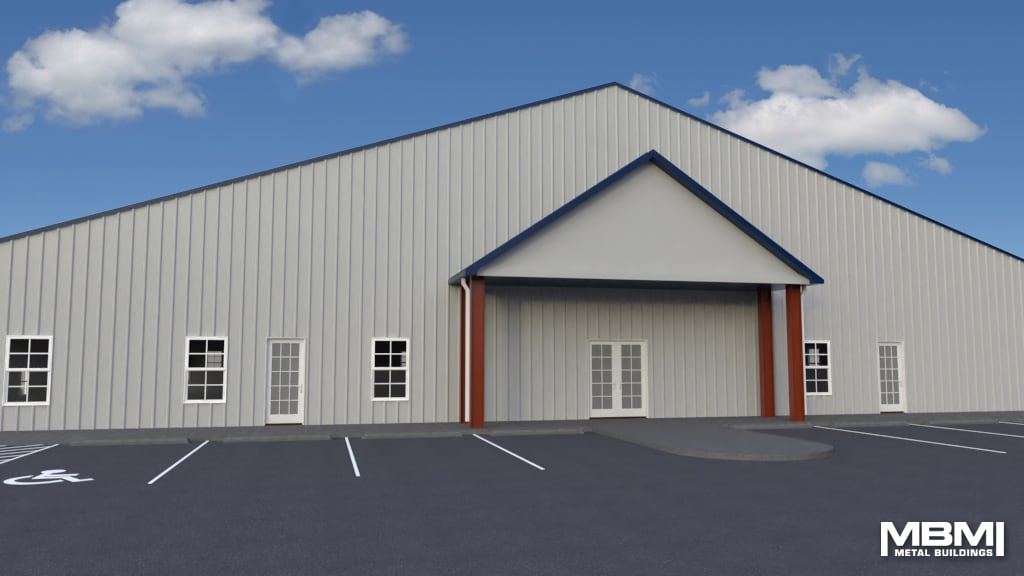
    The front of a gray completed (with doors, windows, and everything else installed) metal building, with parking spaces in front.

    This will give you a better understanding of how much your steel building will cost, regardless of whether you want it to be a barndominium, agricultural steel building, commercial steel building, or for any other purpose.

    Don’t just take our word for it, though.

    Below you’ll find an outline that examines the cost determination factors for pricing each metal building size.

    Designing A Metal Building

    Not all steel buildings are the same, nor are they just a simple box. At MBMI Metal Buildings, our team will masterfully craft each metal building to suit your specific needs. Therefore, the cost of each unique metal building can vary with any slight design alterations you may request. 

    Details – Dimensions 

    While we have about 10 popular sizes on our site to give you a rough idea of what a steel building costs, we know you may require specific size dimensions that we are unable to publish in explicit detail. Accordingly, our staff and experts are always happy to help create a more personalized quote for your own steel home or building.

    Customization

    The customization process of a metal building can be the most volatile factor in determining the cost of your steel structure.

    When you’re ready to start constructing your metal building, please call and speak to our expert designers. Keep in mind that there are intricate details that cannot be done solely through a messenger chat or a couple of clicks online. Our seasoned professionals will provide a seamless experience by gathering all the necessary information to formulate a reliable steel building price estimation and design plan. 

    They will then develop a thoughtful and comprehensive plan to ensure all your concerns are met. They’re also happy to answer any questions you may have related to cost and design decisions.

    More Windows & Doors Means More Money

    The quote form will allow you to request your preferred number of windows and doors, or “openings” in the notes section, as well as where they’re located and how large or small each opening will be.

    However, be aware that the more openings you add to a project, the more your price will increase.

    All of our metal buildings are built to the exact specifications requested, for the highest satisfaction rate in the industry. With this level of accuracy, we assure our clients that there are no misunderstandings as we deliver the exact details requested by our customers.

    Because of our diligence, phone conversations with our designers are highly recommended, and in most cases required. 

    Unique Shapes

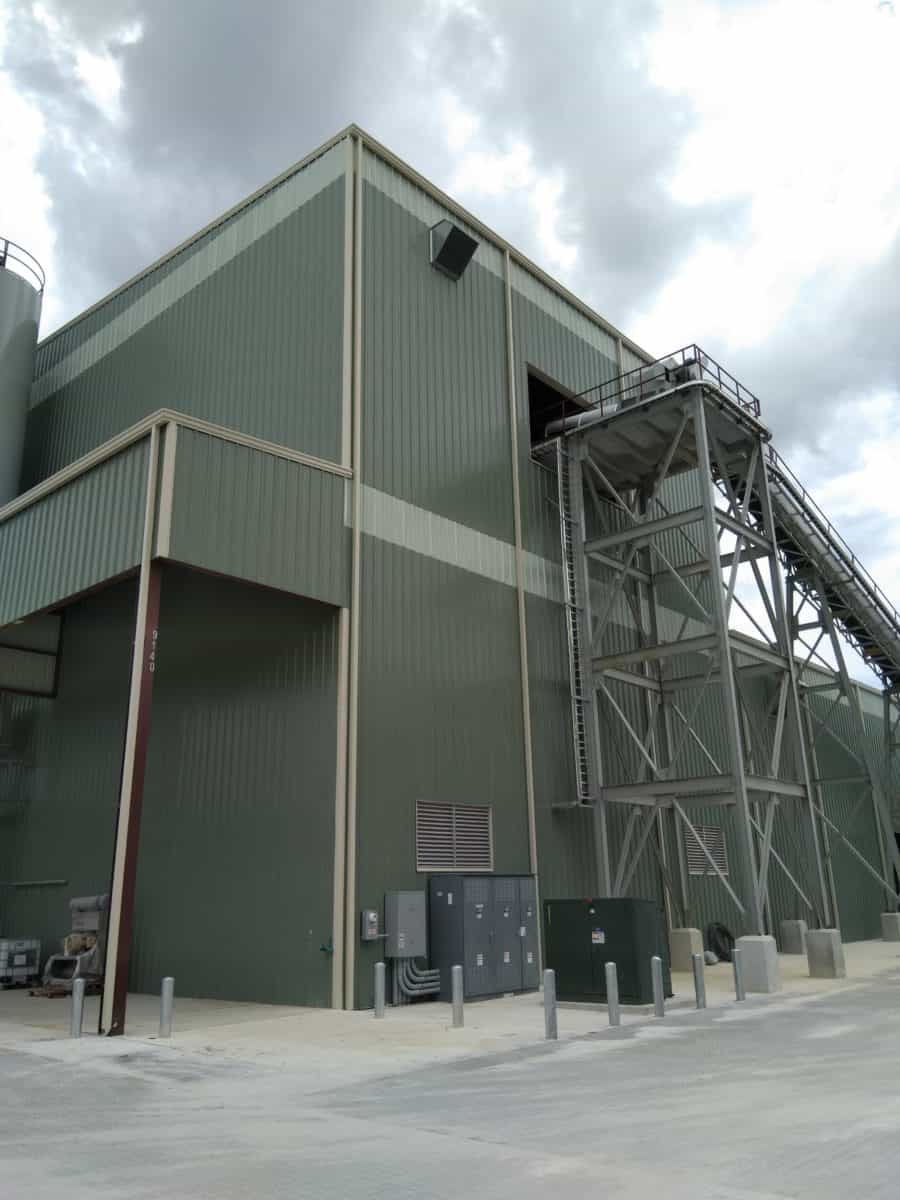
    A green metal building, fully constructed. This is a depiction of a complex design, with vents, and an opening near the top that allows for the use of industrial machinery that is installed outside the building.

    A simple box shape is an easy consideration for cost-conscious, budget-friendly projects.

    More intricate, in-depth designs will fabricate a more complicated design on the engineering side as well as the installation process. These unique shapes will also be reflected in the price of your metal building. 

     Different Panel Colors

    Color combinations can create a more unique and visually stunning design to your steel building, however many different color panels can also cause a bump in the price as well. More components and a more complex installation effort are contributing components to a price increase.

    Wainscotting panels can make an incredible difference to the look of the building. It’s a simple and elegant touch that won’t necessarily break the bank, but if your goal is to keep the design simple and costs low, you may want to reconsider adding additional panel colors.

    Location

    The location of your project is very important in creating an accurate metal building price quote.  

    Our manufacturing locations include Houston, Tulsa, and Atlanta. The closer you are to one of our manufacturing plants, the better your shipping rate will be.

    Loads & Codes 

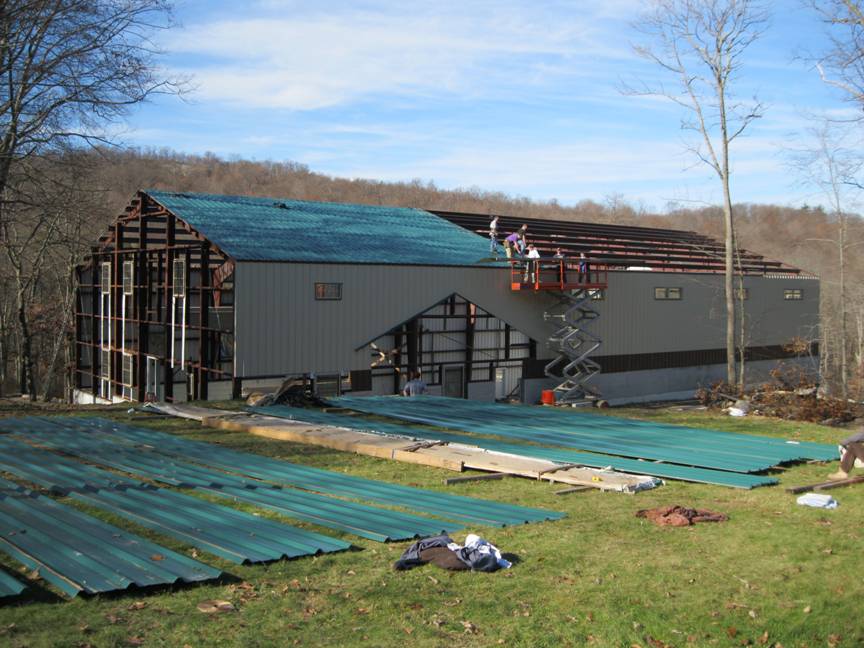
    Metal building under construction. One wall is built, and half the roof has sheets. Other sheets are still on the ground.

    This is one of the most common culprits in price fluctuation. 

    If there was no wind, snow, earthquakes, or seismic activity to account for then it would be easy to price out everyone’s metal building in less than a minute. If this were the case, the magic number would exist.

    However, we do not live in a cookie-cutter world, where one size fits all. Each metal building project has unique details, dimensions, locations, and design specifications that must be considered in producing an accurate cost estimation.  

    Also, consider what your metal building will be used for. Will you have a sprinkler system, mezzanine, a crane inside? All these variables will affect your price.

    Permits

     A close-up of a person's hands signing a contract. The pen is held in the right hand, while the left is holding the paper for stability. There is a ring on the left hand.

    Acquiring permits is another crucial component in calculating additional building costs. Different areas require different permits. Your General Contractor can help in obtaining the specific permits needed on a per-project basis. 

    We can provide engineered stamped drawings through your local building department. Stamped drawings are mandatory in obtaining the permit- if a permit is required by your county.

    Cost Efficiency 

    Cutting Costs on Your Steel Building 

    Here are are a few ways you can save money on your metal building:

    1. Small buildings can offer a “do-it-yourself” alternative.
      • With smaller projects, it is very possible to put up the steel building yourself. However, that’s not to say it’s as simple as assembling an IKEA dresser. These are NOT metal building “kits.” If you are planning on erecting the building yourself, you should already have experience putting up a metal building or work with someone who has.
      • The bottom line: the more experience you and your crew have, the better your building will go up. 
    2. In some areas, steel buildings can have lower insurance fees, however, some might worry about cooling and heating costs. Whereas wood frames make it easier to modify your home – some concerns are weather damage, rot, mold, warping, and pests.
    3. Cheaper than tilt-wall for commercial and industrial buildings.
      • Once buildings start to reach the 10,000 square foot mark and up, many companies consider building with metal to decrease the price of the project. 
      • Metal buildings still offer durability and can withstand hurricane strong winds. Additionally, for those that do not wish to have the metal look can add exterior materials so that it looks like stucco or anything else desired. 
    4. Churches and organizations can organize a group together and put the building up together with simple designs
      • As previously mentioned in the first point, these are not metal building kits. Groups and organizations can work with an experienced crew, and as the saying goes, “many hands make light work,” which can also save a great amount of money.  
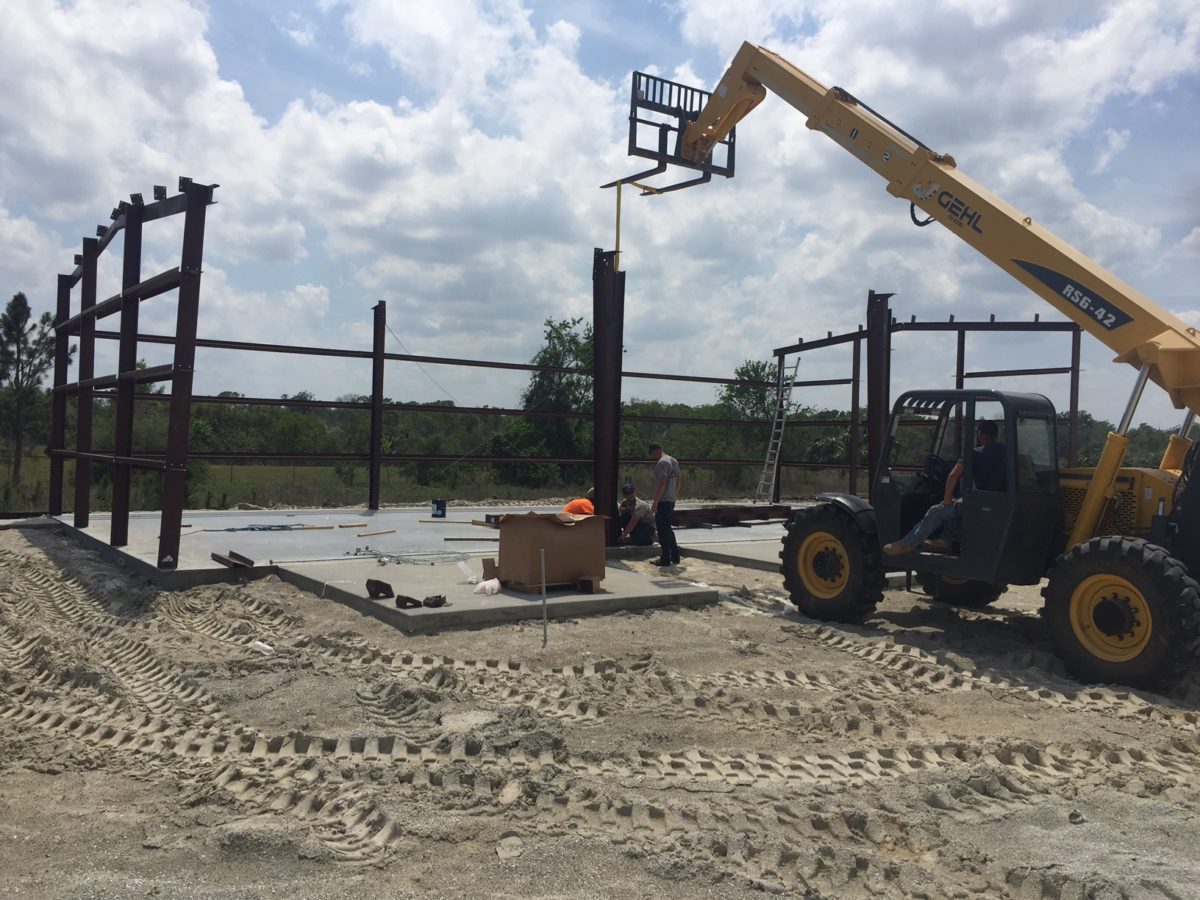
    Early stages of metal building erection. The concrete slab is down and some of the frame has been put up. Workers and a small crane are on-site.

    Low Maintenance 

    Because there is little to no maintenance for metal buildings, this can benefit you in the long term as steel buildings are mold and termite resistant

    This means buildings made from steel will virtually cost nothing to upkeep.

    Extra Costs to Consider

    As previously mentioned, you have:

    • Concrete that can roughly cost about $8-$10 per square foot. 
    • Erecting the building (includes employing a crew to install the building) price will vary from $4-$6 per square foot or 10% -15% of the building price.

    There are a few more costs to consider that is outside of the shell of the building: 

    • Interior: Includes the drywall, cabinets, stairs, etc. This can be done through your GC. 
    • Electric/ plumbing: Can be done through GC or other companies.  
    • Land: Consider the cost of the property if you do not already own land.

    In summary, there are a multitude of factors that configure the cost of a metal building. We understand that wanting an instant price online would be ideal. However, with all the questions involved, we hope you better understand why a phone call with our designers ultimately makes the experience easier.