Author: Jennifer

  • How to Keep Your Metal Building Cool During the Summer Heat in 7 Ways

    How to Keep Your Metal Building Cool During the Summer Heat in 7 Ways

    When designing a metal building, it is of the upmost importance that strategies that keep the building cool during the summer be implemented, as this will keep your HVAC system from having to work harder and longer to keep temperatures at the desired inhabitable setting, inevitable affecting your energy bill.

    Thankfully, there are several measures you can use in your metal building ranging from insulation to landscaping. We will walk through each method and its effectiveness in cooling down your building. These tips will keep you comfortable while also improving the efficiency of energy consumption and air quality!

    First, let’s look at some basic science concepts to understand why buildings get so hot during the summer. 

    Thermodynamics

    When it is hot outside, buildings leak a lot of air. On top of that, while your building is losing cool air, an equivalent amount of hot air enters your home to replace the air that has escaped. This is thermodynamics in action. To simplify, heat constantly seeks equilibrium; heat moves to cold until everything is the same temperature. 

    Heat is persistent in finding a way to enter colder areas until there is neutralization.
    Listed below are the three main ways heat “moves” into your colder home:

    Conduction: Heat conducts from the hot side toward the cold side. This transfer of heat happens through direct contact. In other words, when your hot roof transfers heat into your hot attic 

    Convection: When hot air rises causing your attic to be a lot hotter than the rest of the house

    Radiation: When scorching sun rays heat your roof and walls

    If enough heat flows toward the cool area, your interior can become uncomfortable.

    Insulation
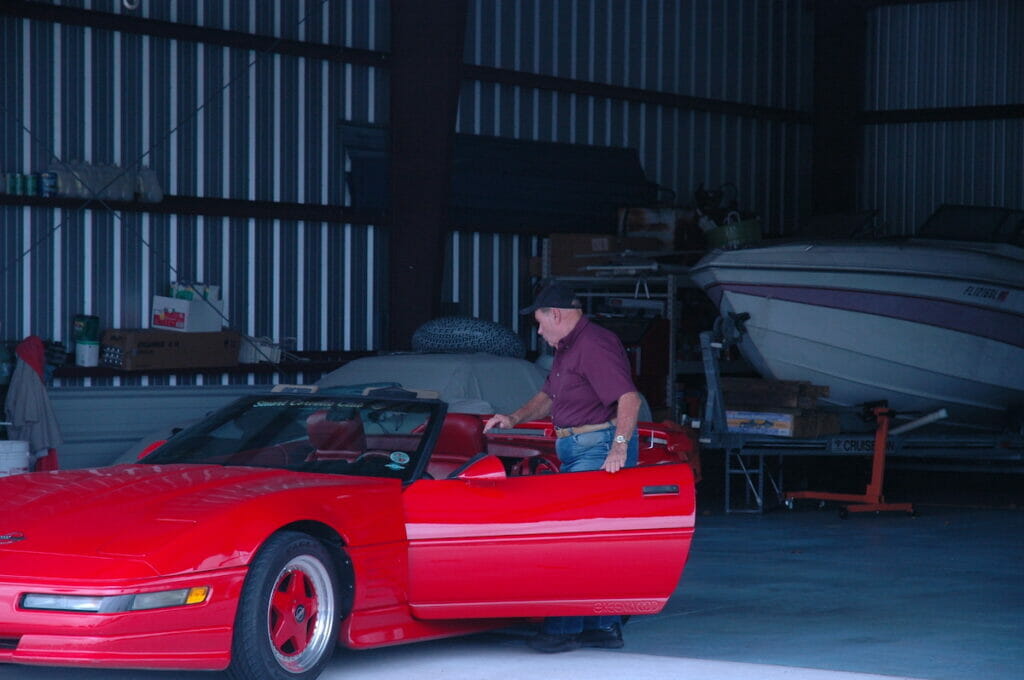
    Inside of a steel garage with a red convertible car inside

    Insulation isn’t only used for keeping your building warm in the winter months. It is also a very effective way of cooling older and newer buildings. Insulation acts like a barrier keeping the hot outside air from entering your building.

    Adding insulation to your building frame can be one of the most cost-efficient ways to reduce your heating and cooling bills. The majority of heat gain and loss happens in the attic space. Therefore, it is crucial in prioritizing attic insulation. 

    Speaking to an expert is important since buildings require different insulation depending on the climate, building type, and building use. Make sure to look for insulation that has a warranty of at least 6 to 10 years. Always replace or renovate your insulation with a new layer when you reach the end of the insulation’s warranty period.

    Sealing Your Home

    Think of your ideal temperature “resistant” building as a thermostat. Thermostats are well-sealed, hence your building should be sealed, making it as hard as possible for any hot air from entering. This dramatically increases the energy efficiency of your building and your cooling systems don’t need to work as hard. 

    Luckily, metal is less porous than other types of building materials, so it creates a tight seal, which is necessary for mitigating energy loss.

    Your Roof Gets Hot

    The hottest part of your building will be your roof. Not only does your roof absorb the hot sun rays, but also is the recipient of internal hot air (since hot air rises). Some roofing materials can heat up to as high as 200 F. Even if you incorporate other great heat reduction features, you will always be using more energy to keep your metal building cool if you don’t properly sort out your roof.

    Thankfully, modern metal roofs have been designed to efficiently reflect more heat and can reduce your cooling cost by as much as 25%! Metal roofs are cooler than asphalt, wood, tile, and concrete shingles. Light-colored metal roofs that have reflective coatings are even more effective at sending a large percentage of the sun’s UV rays back into the atmosphere and away from your building.

    A roof mist cooling system, also known as an evaporation system,  is a cool new way to help mitigate the sun’s pressure on your roof. It can help your roof last significantly longer, giving you the benefits of a cool roof for a low price.  The misting system sprays ultra-fine mist onto your roof. This mist is then vaporized by the sun’s energy. These vaporized water droplets create cool air. The cool air then sinks on the roof while the hot air rises. This system is mainly used in commercial roofing and is being slowly integrated into residential use.
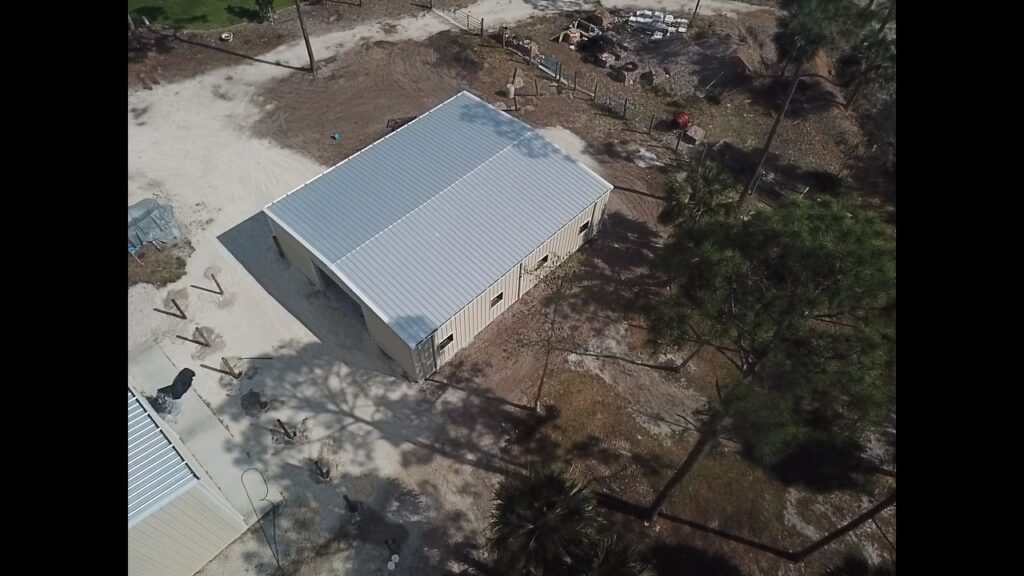
    View of the roof of a large multipurpose metal building in Naples, Florida

    Apply a Cool Coating

    We all know dark colors attract more sun than lighter colors. Using this concept in your building design can help mitigate the heat. It helps to incorporate lighter and more reflective paint colors and coating to your metal building. Listed below are some pre-engineered parts that should be considered:

    • Exterior Walls
    • Panels
    • Cladding
    • Roof

    Here at MBMI, many of our colors are Energy Star Approved, dramatically improving the heat releasing properties of a metal building. 

    Ventilation

    Ventilation is crucial for good air quality. It can also be used to maintain your home at a comfortable temperature during the summer heat. Poor ventilation in the attic area can cause your attic to reach excess temperatures trapping hot rising air. Incorporating ventilation in your attic space is key. 

    In some instances, you can use natural ventilation at night. This can significantly reduce the energy consumption used by your cooling system. Listed below are several ventilation options to consider for your building:

    • HVAC systems
    • Powered fans 
    • Gravity vents 
    • Turbine vents
    • Dehumidifiers
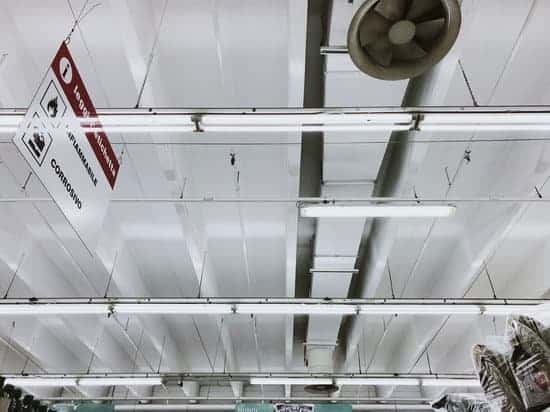
    Inside a metal building, looking at the ceiling. There are vents to help keep cool.

    Accessorize your building with awning, overhangs, and canopies

    This method is especially popular in residential properties. Where homeowners looking to guard their home from the harsh sun add awnings. Awnings can significantly reduce a home’s air conditioning usage in the summer, saving an estimated $200 or more annually.

    The American Society of Heating and Air Conditioning Engineers suggests using extended shaded coverings such as awnings, overhangs, or canopies to minimize building heat load! The placement of these shading coverings is something to consider. Adding these to the west and south-facing part of your building will drastically reduce the amount of sun exposure.
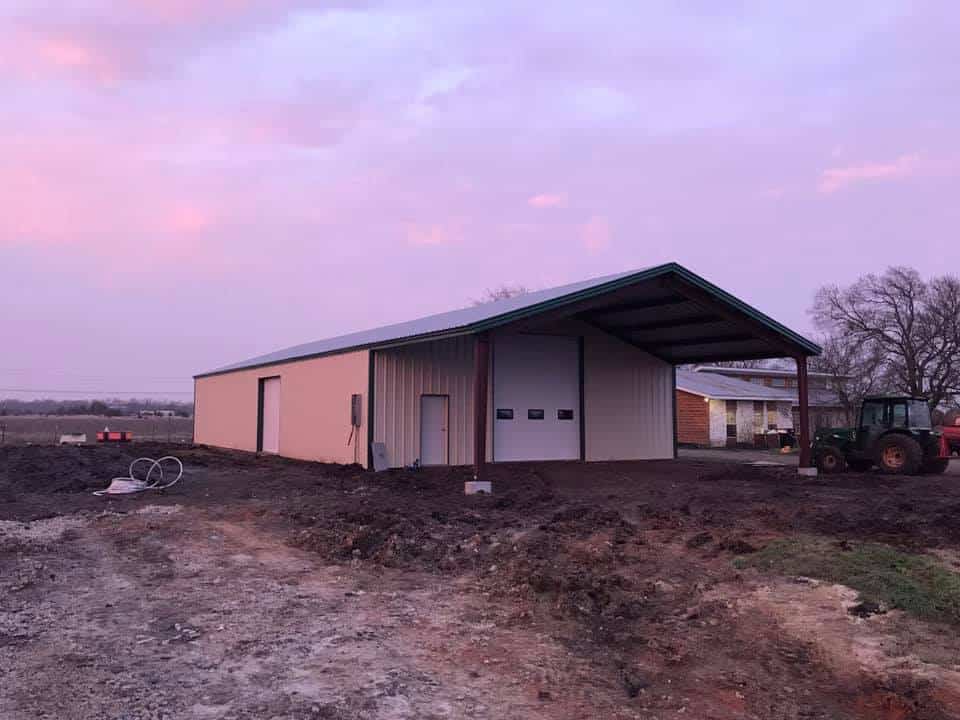
    metal building from the outside, beige color with an awning in front of the building to keep that side of the building protected from the harsh sun rays

    Landscaping isn’t only for aesthetics 

    Smart landscaping can considerably help in cooling your home during the day. You can plant trees and shrubs that shade the west-facing and south-facing walls and windows of your building, dramatically cooling the building’s surface. Trees shade roofs from the hot summer sun. Shrubs and vines can be planted to keep walls cool. Make sure to leave a bit of space between the plants and the home, as this will prevent moisture buildup if humidity is a problem.

    Mulch is another friendly additive to keeping the ground cooler since it prevents the ground from absorbing heat. Not to mention, its great water conservation properties.
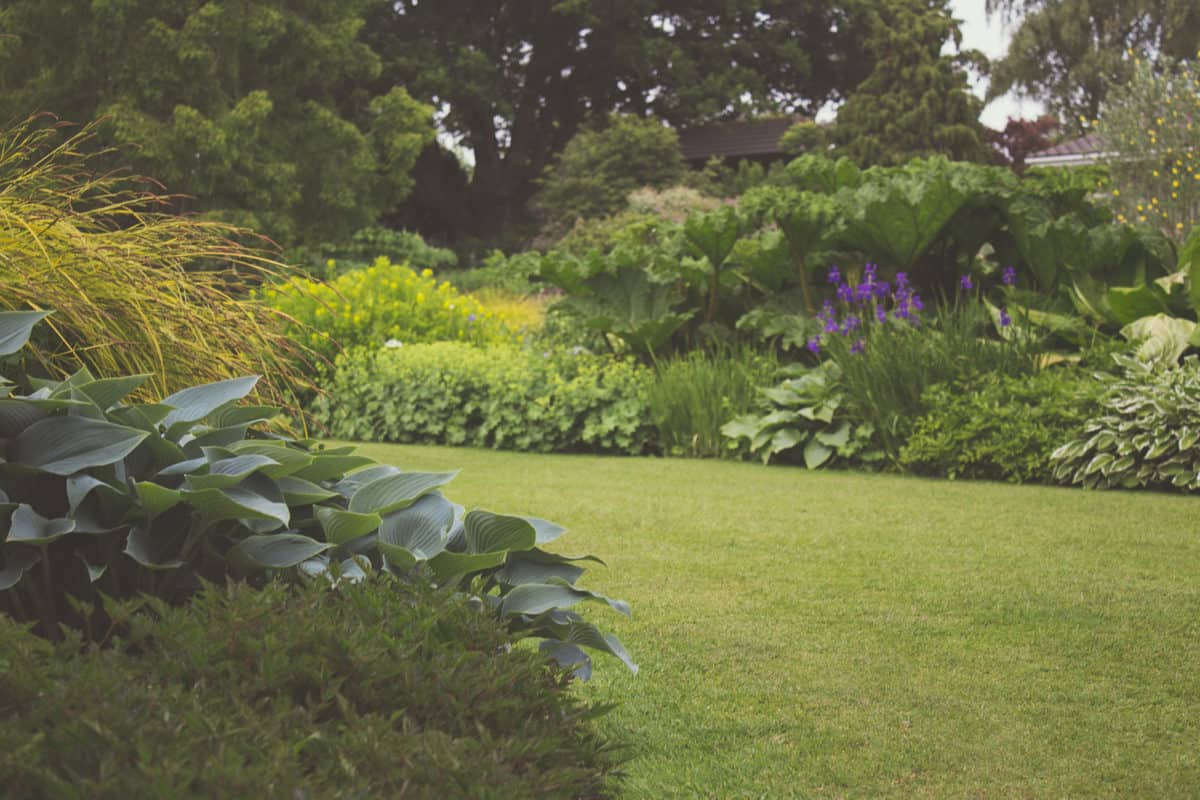
    A picture of a lush garden with various plants surrounding grass
  • Metal Building Drawings: What Makes Them Unique?

    Metal Building Drawings: What Makes Them Unique?

    Metal building drawings serve as the foundational blueprint for constructing durable and versatile structures, offering a glimpse into the architectural intricacies involved. These detailed plans ensure precision in the creation of buildings that can withstand various environmental challenges. As such, they are indispensable tools for architects and builders aiming to bring their robust designs to life accurately and efficiently.

    Table of Contents

    Understanding Metal Building Drawings

    Navigating the complex world of metal building drawings requires understanding their key components and significance. These drawings not only detail the dimensions and specifications for each section of a structure but also highlight critical aspects such as load-bearing capacities, material types, and connection details between different parts. 

    By meticulously outlining every element—from the foundation to the roof—these blueprints ensure that construction teams have a clear roadmap to follow. This level of detail aids in preventing costly mistakes during construction and contributes to creating buildings that are not just aesthetically pleasing but also structurally sound and sustainable over time.

    Creating Metal Building Drawings

    Beyond their practical utility in guiding construction, metal building drawings also play a crucial role in the approval and permitting process. Before any physical work begins, these plans must be reviewed and approved by local building authorities to ensure compliance with relevant codes and standards. This step is vital for ensuring the safety, durability, and legality of the structure. 

    Additionally, well-prepared drawings can facilitate smoother communication among all stakeholders involved—architects, engineers, contractors, and clients—by providing a common reference point that illustrates how various elements of the project interconnect. Consequently, investing time in creating detailed and accurate metal building drawings not only streamlines the construction process but also minimizes potential legal hurdles down the line.

    Key Elements in Metal Building Drawings

    The evolution of technology has significantly impacted the creation and utilization of metal building drawings. Modern software tools, such as Computer-Aided Design (CAD) programs, have transformed these blueprints from hand-drawn sketches into precise digital models. This advancement not only enhances the accuracy and detail of the drawings but also enables easier modifications and faster sharing among project participants. 

    Furthermore, with the advent of Building Information Modeling (BIM), stakeholders can now access a 3D representation of their project, allowing for a more comprehensive understanding of how each component fits within the overall structure. These technological strides foster greater collaboration between teams, reduce errors during construction, and pave the way for more innovative design solutions in metal buildings.

    Precision in Metal Building Drawings

    As we further examine the future of metal building drawings, sustainability and eco-friendliness emerge as key themes shaping their evolution. Architects and engineers are increasingly incorporating green building practices into their designs, reflecting a global push towards environmental responsibility. This includes selecting materials with lower carbon footprints, designing for energy efficiency, and planning for rainwater harvesting systems. 

    Additionally, the precision afforded by advanced drawing techniques minimizes waste during construction by ensuring that materials are used efficiently. The synergy between cutting-edge technology and sustainable design principles in metal building drawings not only enhances the structural integrity of these buildings but also contributes to a healthier planet by reducing their environmental impact over time.

    At MBMI Metal Buildings, our in-house engineers have decades of experience in designing metal buildings, with clients ranging from locals in need of agricultural buildings and barndominiums to giants such as Mobil and Walt Disney. Contact us today to learn more about how we can bring your project to fruition.

  • Choosing the Right Solar Panel System for Your Metal Building

    Choosing the Right Solar Panel System for Your Metal Building

    Solar panels for metal buildings can be a game-changer. Not only do these accessories help reduce your environmental impact, but they can also save you money over time by decreasing electricity costs.

    “Solar is no longer an ‘if’ but ‘when’ decision as commercial real estate owners see its value.”– BloombergNEF Report

    Table Of Contents:

    Benefits and Drawbacks of Solar Panels for Metal Buildings

    Solar panels on metal buildings can offer a myriad of advantages. However, it is essential to be aware of the potential downsides before making the investment.

    Benefits of Solar Panels

    Firstly, solar panels are an excellent way to tap into renewable energy. They convert sunlight directly into electricity. This means you’re using a power source that won’t run out or fluctuate with the market and world events – unlike fossil fuels.

    In addition, they could drastically reduce your energy bills. Once installed, solar panels require minimal maintenance and provide free electricity whenever there’s daylight. It doesn’t even need to be sunny.

    Last but not least is their eco-friendly nature; they don’t produce greenhouse gases or other harmful emissions once operational. This makes them perfect for businesses aiming for sustainable operations.

    Drawbacks of Solar Panels

    However beneficial solar panels might seem though, it’s only fair we address some concerns too.

    To start with – cost. The initial installation charges can be steep when compared with traditional energy sources, according to research from Berkeley Lab.

    Another point worth noting is the dependency on weather conditions; while you do get some power generation during cloudy days or in winter – efficiency does take a hit.

    The third concern involves space requirements. You need ample roof area on your steel building to accommodate enough solar panels that meet your energy needs. 

    Making the Decision: Is it Worth It?

    While there are certainly some drawbacks to consider, for many businesses, the long-term benefits of solar panels far outweigh these. In fact, with government incentives and falling costs, installing solar panels on metal buildings is becoming an increasingly viable option.

    So, you’re thinking about the renewable energy route? Great. But remember, it’s crucial to do some digging first, by realizing your specific needs.

    Key Takeaway: 

    Installing solar panels on your metal building taps into renewable energy, potentially slashing your energy bills and promoting eco-friendly operations. But keep in mind the initial cost, weather dependency for efficiency, and ample roof space requirements. With government incentives and falling costs though, this sustainable option is becoming increasingly viable for many businesses.

    Determining Your Energy Needs

    Knowing your energy needs is a crucial step when selecting the right solar panel system for your metal building. It’s like planning a road trip; you wouldn’t start without knowing how much gas you’ll need, would you? The same applies to choosing solar panels.

    The first thing to do is figure out how much power your building uses daily. You can get this information from your utility bills or by using an online energy use calculator.

    Average Daily Power Consumption

    To calculate average daily power consumption, add up the wattage of all appliances and devices used in the building each day. For instance, if a 100-watt bulb runs for five hours per day, it consumes 500 watts (or 0.5 kilowatts) daily.

    Multiply this number by the total operating hours of all gadgets over a month and divide by thirty days—voila. You have an estimate of monthly kWh (kilowatt-hours).

    Solar Insolation Values

    Next comes understanding ‘solar insolation values’ – fancy term but simple concept. This value tells us how many hours per day we can expect our solar panels to generate their rated output under ideal conditions.

    You might ask, “Why do we need this?” Well, because not every hour sees perfect sunshine—think cloudy weather or sunrise/sunset times. So getting familiar with these numbers gives us realistic expectations of potential production levels.

    National Renewable Energy Laboratory’s map tool offers a reliable resource for these values.

    Size of Solar Panel System

    Once you know your daily power consumption and solar insolation values, it’s time to determine the size of your solar panel system. Here’s an easy way: divide average daily energy use (in kWh) by the local average sun hours (insolation). The result gives you a rough estimate of how many kilowatts of panels are needed to cover energy usage.

    The good news is, there are online tools available that can do this calculation for you. Just make sure to input accurate data so as not to be surprised later.

    Key Takeaway: 

    Choosing the right solar panel system for your metal building starts with understanding your energy needs. Like planning a road trip, you wouldn’t begin without knowing how much fuel you’ll need. Start by figuring out daily power usage from utility bills or online calculators. Remember, past consumption helps predict future use.

    Budget Considerations for Solar Panel Installation

    Planning to use solar panels on your metal building is a wise move, but let’s be honest—it can make a dent in your wallet. Let’s dive into the cost factors you need to consider when installing solar panels.

    The Cost of Solar Panels

    Solar panel prices have decreased substantially, making them more attainable than in the past. However, their costs still vary based on efficiency and brand reputation. High-efficiency panels might cost more upfront, but they’ll give you more energy output per square foot—making them an excellent choice if space is limited. Energy.gov provides helpful insights about this topic.

    Labor and Installation Costs

    Next up are labor costs which include both installation fees and additional electrical work that may be needed. Keep in mind that hiring professionals not only ensures safety but also maximizes system performance by ensuring proper setup—a worthwhile investment.

    Inverters and Batteries

    Your budget must account for inverters too—they convert direct current (DC) produced by your solar panels into alternating current (AC), which powers most household appliances. Moreover, batteries store excess power for later use—particularly handy during nighttime or cloudy days—but remember these add-ons come with added expenses.

    Potential Hidden Costs

    You might also encounter unexpected expenditures like roof repairs or reinforcements before installing heavy solar arrays; upgrading electrical systems; potential permits; inspections—and don’t forget insurance. All these little things can add up so it’s important to factor them into your planning phase.

    Solar Panel Government Incentives and Rebates

    Various government incentives and rebates exist to help offset the cost of installation, such as the Residential Renewable Energy Tax Credit. For instance, the Residential Renewable Energy Tax Credit offers a tax credit for 26% of installation costs with no upper limit (which has now been raised to 30% for panels installed between 2022 and 2032). Additionally, many utilities offer rebates or pay you for excess power your system produces—a concept known as net metering.

    Finding Financing Options

    But don’t worry if paying upfront seems tough. Remember, financing options are available to ease the burden.

    Key Takeaway: 

    Installing solar panels on your metal building is a smart, but costly decision. Costs can vary based on panel efficiency, brand reputation, and installation fees. Additional expenses like inverters, batteries, potential roof repairs, or system upgrades should also be considered. However, government incentives and rebates can help offset some costs. And if paying upfront seems tough—don’t worry. Financing options are available.

    Evaluating Available Space for Solar Panels

    When contemplating the placement of solar panels on your MBMI metal structure, one essential factor to contemplate is the available space. But how much space do you really need? Let’s break it down.

    The amount of solar panels you need depends on your energy consumption and the power output of the panels chosen. Generally speaking, a typical residential solar panel measures about 65 inches by 39 inches (5.4ft x 3.25ft), producing around 260-275 watts. So, if we use that as a benchmark, let’s say an average household uses approximately 10,400 kWh per year; then we’ll require roughly 40 panels.

    Determining Your Roof Space

    To start off with estimating roof area for these many panels, understand that each panel requires about 17 square feet of space including some buffer zone for access during installation or maintenance work. Therefore with our example earlier requiring around forty panels, we would need an estimated roof area of at least 680 square feet.

    But not all spaces are created equal. When evaluating roof surface suitability, keep in mind aspects such as shade from nearby structures or trees which can significantly impact power generation efficiency.

    Potential Solutions If You Lack Space

    If finding sufficient unshaded rooftop real estate proves challenging, don’t fret – there are alternative solutions out there. One popular choice among property owners short on usable rooftop areas has been ground-mounted systems which provide greater flexibility regarding orientation and tilt angles, maximizing energy capture.

    Another approach to overcome space constraints could be through the use of high-efficiency solar panels. These might cost more upfront but they generate more electricity per square foot than standard efficiency panels, thereby reducing the overall number required. 

    Key Takeaway: 

    It’s essential to understand that the size and efficiency of your panels can be adjusted based on what works best for you. Whether it’s ground-mounted systems or high-efficiency panels, there are plenty of options out there if rooftop space is tight. 

    Comparing Different Types of Solar Panels

    Solar panels are not a one-size-fits-all solution. Comparing different types of solar panels is essential to ensure you’re getting the most out of your investment.

    Monocrystalline Solar Panels (Mono-SI)

    Monocrystalline solar panels, also known as Mono-SI, offer high efficiency and sleek design but come with a higher price tag. These black-hued panels consist of a single-crystal structure that allows electrons more room to move, resulting in a higher efficiency rate.

    Polycrystalline Solar Panels (Poly-SI)

    Moving on from mono, we have polycrystalline solar panels. Poly-SI offers lower efficiency than its monocrystalline counterpart but compensates by being cost-effective for those who need budget-friendly options.

    Thin-Film: Amorphous Silicon Solar Cells (A-Si)

    If flexibility is what you’re after, consider thin-film amorphous silicon cells. A significant advantage here is their aesthetic appeal; they blend well with metal buildings due to their slim profile. As they have a lower efficiency rating than other varieties, thin-film amorphous silicon cells occupy more space due to their slim profile.

    Biohybrid Solar Cell

    Last but certainly not least are biohybrid solar cells. This cutting-edge technology combines organic matter and photovoltaic materials to generate electricity, offering a greener approach to harnessing the sun’s power.

    It’s like choosing between an SUV, sedan, or compact car – each has its perks but what works best depends on your specific needs and circumstances.

    Suitability for Metal Buildings

    If you’ve got a lot of roof space and are watching your budget, polycrystalline panels could be the better option. Though they may not possess the same level of aesthetics or efficacy as monocrystalline panels, polycrystalline panels are more economical and can still be utilized to great effect.

    For more information on solar panels for your metal building, contact our experts today. Our engineers are not only experts when it comes to solar power systems, they are renowned for crafting custom metal buildings, from barndominiums to agricultural buildings, commercial buildings to RV storage structures, and more. 

    Solar Panel FAQs

    How many solar panels are needed to power a house?

    An average home needs about 20 to 25 panels for full power. But your energy use and where you live can change this number.

    Is installing solar panels actually worth it?

    Solar panels can be worth it due to lower electricity bills, increased property value, and environmental benefits. Yet initial costs may be high.

    What do I wish I knew before buying solar panels?

    Prior knowledge should include understanding installation costs, knowing your energy usage, choosing the right type of panel, maintenance requirements, and possible tax incentives.

  • Barndominium Farmhouse: A Guide on How to Create the Perfect One

    Barndominium Farmhouse: A Guide on How to Create the Perfect One

    Welcome to the world of barndominium farmhouses. This architectural trend is quickly gaining popularity, as more folks yearn for a lifestyle that balances country coziness with contemporary convenience. But what exactly does designing one entail?

    Table Of Contents:

    Designing Your Barndominium Farmhouse

    Creating a barndominium farmhouse that blends functionality and aesthetic appeal involves thoughtful planning. You’ll need to consider factors like your family size, lifestyle needs, and personal taste.

    Choosing the Right Floor Plan for Your Barndominium Farmhouse

    Selecting a suitable floor plan is essential in crafting your dream barndominium farmhouse. At MBMI Steel Buildings, we can create a custom plan to suit your needs, ranging from single-story ranch-style to multi-story layouts, offering ample choices tailored to different living space requirements.

    The key lies in identifying what you need most – perhaps it’s an expansive great room for entertaining, or maybe multiple bedrooms share top priority if you have a large family. A walk-in closet could be non-negotiable for some while others may yearn for bonus rooms as hobby spaces or home offices.

    Incorporating an Open Floor Plan in Your Design

    An open floor design can work wonders by promoting easy flow between areas while creating an illusion of more square feet than actually exist. Picture preparing meals in a big island kitchen without missing out on conversations happening around the dining area; this seamless connection enhances modern living experiences within these unique homes.

    Beyond convenience, adopting such an efficient layout allows natural light to flood into every corner of your house plan, boosting overall ambiance and energy efficiency too.

    The choice between a closed or open floor plan is personal, but if you crave spaces that feel spacious and connected, the latter might be your go-to option. Just remember to keep practicalities in mind – things like noise control and heating efficiency could influence your final decision.

    Key Features To Consider In Your Layout:
    Main Living Area Kitchen Island & Dining Room Arrangement
    Bedroom & Bathroom Distribution Possible Addition of Bonus Room

    Key Features of a Barndominium Farmhouse

    A barndominium farmhouse blends the rustic charm of barn-style living with modern comforts. But what makes it truly unique?

    Embracing Barn-Inspired Exteriors

    Barn-inspired exteriors are an essential feature in these homes, creating an authentic rustic feel. The key is to maintain that quintessential barnhouse look while incorporating contemporary design elements.

    Are you curious about how to combine classic and modern elements? It’s all about striking a balance between old and new, which includes using materials like post frame and conventional wood frame methods for construction.

    This gives your barndominium farmhouse more than just curb appeal – it also allows you to have that traditional appearance without compromising on durability or efficiency.

    The Appeal of Metal Roofs

    Metal roofs offer both aesthetic and practical benefits when used in a barndominium farmhouse setting. They’re not only durable but also lend themselves well to vaulted ceilings – another defining characteristic of the barndominium farmhouse.

    Vaulted ceilings open up your space, giving rooms an airy feeling while showcasing beautiful wooden beams – reminiscent of classic farmhouses from yesteryears. Moreover, they add value by increasing square footage under the roof, thereby maximizing usable living space within your home.

    Durability Meets Aesthetics: Metal Roofing for Your Barndomoninium Farmhouse

    Metal roofing isn’t just sturdy; it’s visually appealing too. With options ranging from corrugated metal sheets to sleek standing seam designs available today, homeowners get flexibility in choosing something that suits their personal style while meeting their practical needs.

    It’s worth noting that, despite the prevalence of metal buildings in barndominium construction, other materials like post frame and conventional wood can give your home a more traditional look.

    Vaulted Ceilings: A Staple in Barndominium Farmhouse Design

    Add a touch of elegance. Vaulted ceilings in barndominiums not only make the spaces feel more expansive, but they also bring a certain sophistication and charm to the overall design.

    Key Takeaway: 


    Creating the perfect barndominium farmhouse is all about blending rustic charm with modern comforts. Embrace barn-inspired exteriors for an authentic feel, but don’t shy away from contemporary design elements. Opt for durable and appealing metal roofs that enhance vaulted ceilings – a key feature of these homes. Remember, striking a balance between old and new not only boosts curb appeal but also makes your home a cozy haven where tradition meets innovation.

    Practical Considerations for a Barndominium Farmhouse

    Farming practicalities and energy efficiency are vital considerations when designing your barndominium farmhouse.

    Incorporating Modern Conveniences in Your Barndominium Farmhouse

    Modern conveniences, while essential, should not compromise the rustic charm of your barndominium. You need to strike a balance between modern living necessities and maintaining that authentic country feel.

    Consider what daily life necessitates when designing your barndominium. For example, if you’re going to use the space as both a home and an office (which is becoming increasingly common), then planning separate areas can help keep your work-life balance intact.

    This could mean creating dedicated spaces within the open floor plan or using barn doors to partition off sections of the house during working hours. Additionally, consider integrating modern technology like smart thermostats or automated lighting systems into your design—these can add convenience without detracting from the farmhouse aesthetic.

    Balancing Aesthetics with Practicality

    A major consideration is how well your design caters to farming practicalities such as storage for equipment or accessibility for large vehicles. Remember that farmhouses were designed with functionality in mind – they had big kitchens because they needed them; bedrooms were often small because everyone was out working all day. Keep these things in mind when deciding on floor plans and room sizes—it’s crucial not just to focus on looks but also on how well it works as a functioning farm building, too.

    Making Energy-Efficient Choices

    Your choice of materials can greatly impact energy efficiency—a critical factor given increasing environmental concerns and rising utility costs. Prefabricated steel buildings, for example, offer superior insulation properties and are also highly durable.

    Opting for energy-efficient appliances is a smart move. Not only do energy-efficient appliances reduce your environmental footprint, they also provide substantial savings over time. Consider supplementing your energy-efficient appliances with renewable sources such as solar panels or wind turbines to maximize savings and self-sufficiency. Yes, they may need an upfront investment, but think about the substantial savings and self-sufficiency they could bring in over time.

    Key Takeaway: 


    Remember, creating a barndominium farmhouse is all about marrying rustic appeal with contemporary amenities. Take into account your everyday needs such as distinct workspaces if you’re mixing home and office life. Farming essentials shouldn’t be overlooked – ample storage and easy access are crucial. Choose energy-efficient materials and appliances for long-term savings, and even think about renewable sources.

    Exploring Barndominium Farmhouse Plans

    The charm of a barndominium farmhouse plan lies in its unique blend of rustic aesthetics and modern conveniences. With the right design, you can turn your barndominium into a cozy, inviting space that feels like home.

    Showcasing Different Barndominium Farmhouse Designs

    Barndominium floor plans, much like traditional farmhouses, are designed to cater to family life but with an added touch of ruggedness. You get spacious living spaces accentuated by features such as barn doors or board-and-batten siding for an authentic feel.

    A great room often serves as the heart of these homes where families gather around a warm fireplace during chilly nights. Walk-in closets and fully equipped kitchens provide comfort while still retaining a stylish aesthetic.

    Square footage varies depending on individual needs – from compact designs perfect for smaller lots to expansive ones spanning thousands of square feet and offering generous living areas.

    Making Your Mark with Customization Options

    Your choice of floor plans should mirror your lifestyle needs and personal preferences. If you love cooking, consider opting for a large kitchen island or if outdoor activities appeal more to you then think about incorporating an outdoor kitchen within your plan. You might even want extra rooms that serve specific purposes – say, bonus rooms which could be turned into guest suites or hobby studios.

    Bonus Features That Add Charm To Your Home

    Certain elements help elevate these designs beyond being mere functional structures – imagine enjoying nice weather under the shade of a wraparound porch or using gable roofs not just as striking architectural elements but also as practical storage solutions.

    Features like these not only add curb appeal but also enhance the functionality of your home. The inclusion of an open great room or dining area can make the space feel more spacious and inviting, while a master suite with a spa-like bathroom offers a private retreat within your own home.

    Aside from Barndominiums, at MBMI we can custom create a variety of metal buildings, including agricultural buildings, commercial buildingshorse barns, and more. Contact us today for more information.

    Barndominium Farmhouse FAQ

    Are barndominiums cheaper to build than a house?

    Yes, typically. Building a barndominium can cost less because of the simplified construction process and fewer materials used.

    What is the downside to a barndominium?

    The main drawbacks include possible higher insurance costs and potential challenges in securing financing due to their unique nature.

    How much is a 2000 sq ft barndominium in Florida?

    A 2000 sq ft barndominium could range from $160k-$240k, but prices vary depending on finishes and site work needed.

    Will a barndominium last longer than a house?

    If maintained well, yes. Barndos’ metal structures often outlast traditional homes by withstanding harsh weather better.