Industrial buildings can act as warehouses, assembly facilities or workshops. They usually have offices a part of the layout, as well. Different parts of the building may have different functions and different requirements.
Chances are good that one of our buildings would be a long-lasting, highly functional, and economical choice. We’ve designed metal buildings for industrial businesses many times before, and our clients have been thrilled with the results.
Our buildings can be designed and constructed with a clear span of up to 200 feet. They can be up to 400 feet wide with a row of columns in the middle. They can be as long as you need them to be, and they can be built out of intersecting sections. So, for example, we could construct a basic industrial building
or a T-shaped building
or even a larger and more complex building
Of course, with any of these layouts, you can use a mix of cladding types and levels of insulation. For example, the office area might be clad in brick or stucco to give your business a professional image, and well insulated to meet Code requirements and to keep your employees comfortable. However, the facility in back, depending on its use, might be clad in metal and uninsulated. It’s easy to see how this type of building could meet the practical and aesthetic needs of almost anyone looking for a small or mid-sized industrial building.
Overhead doors, walk-through doors and windows can be located where they’re needed. Our design professionals can give you exactly the layout and the look that you want. Then, you can add interior walls and partitions wherever you need them.
When your building has a strong steel frame by MBMI, you can mount cranes and other equipment to the building structure without a lot of added expense. Just let us know, and we’ll make sure that the building is designed properly for the loads.
You’ll be amazed by the reasonable cost of our buildings, too. With the look you want, the layout you need, and the convenience and efficiency of using the building’s structure for cranes and other heavy duty uses, why would you choose any other type of building for your new industrial facility?
Boating is a wonderful American pastime. Both individuals and families have come to relish summers spent on the water. In fact, look at these statistics from the United States Coast Guard: in 2011, 29% of American households reported that at least one member went boating that year. In total, that’s 34.2 million households!
But as more people take to the water, the logistics of boat ownership need to be addressed. And for the purpose of this guide, we’re turning our attention to protecting your boat from the weather – especially during the winter. Boat shelters, covered boat storage, and other solutions for storing your boat outside at home are important topics for any boat owner, as they will help ensure that your boat stays in peak condition season after season.
So join us as we explore covered boat shelters and other winter boat solutions.
Why Do You Need to Store Your Boat During the Winter?
Before we tackle specific boat storage solutions, it’s important to fully understand why boat storage is such a big deal in the first place.
While leaving your boat moored at the dock all winter may seem like a convenient and affordable option, there are four main reasons why it’s a risky and less cost-effective approach in the long run.
Risk of Sinking
When you visit your boat regularly, you notice the little things. A slow leak with get noticed on deck. You will see that your boat is floating lower and lower in the water.
Unfortunately, if you leave your boat alone for the winter, these small leaks will go unobserved. A small underwater fitting may have failed. A micro-fissure might have widened. Imagine coming back to the dock in the spring only to find your boat underwater.
Risk of Storm Damage
Over the winter, there is a high likelihood of inclement weather. High winds, rising water levels, torrential rain, and the potential for a blizzard – depending on where you live – can all do significant damage to your boat. Even if you have a heads-up about an incoming weather event, the logistics of moving or securing your boat make dealing with the issue impractical.
Risk of Barnacles
Depending on where you live, these water-borne pests want to make their home on the hull of your boat. And they are more than just a nuisance. They can cause significant physical damage, which will then require a costly repair.
Risk of Theft
According to the National Insurance Crime Bureau (NICB), there were over 5,000 watercraft thefts in 2015 alone and 24% of those thefts took place just in Florida. Finally, only 42% of those boats were recovered, meaning over half are lost forever!
Leaving your boat unattended over the winter will greatly increase the risk of it being stolen. Furthermore, even if your boat is well-secured, a savvy thief could opt for stealing electronics or other components that could then be resold on the black market.
Risk of Blisters
Finally, there are purely physical reasons to get your boat out of the water during the off-season. In fact, the kind of wear and tear associated with a winter in water can become costlier than the price of storing your boat on land.
Blisters on the hull are the primary concern for a boat that isn’t properly wintered. If your hull gets the chance to dry out for a few months, blisters are far less likely to develop.
Why Can’t I Just Pull My Boat Ashore?
While there are risks associated with leaving your boat in the water over the winter, there are also significant risks associated with leaving your boat unattended and exposed on land.
Because air temperatures fluctuate more than water temperatures, leaving your boat exposed to the winter air can be equally damaging. Furthermore, many of the winter weather risks associated with leaving your boat in the water over the winter can be equally risky if your boat is exposed on land. Additionally, the sun can do a number on your boat’s paint job. Your paint can fade, chip and crack if left out in the open.
In the end, the bigger issue isn’t whether your boat is on land or in the water over the winter – it’s that your boat is properly winterized when you aren’t using it during the offseason.
Can I Park My Boat in My Driveway for the Winter?
This is certainly an option – one that is chosen by many boat owners across the country. Considering you don’t need to pay yourself rent on your own driveway, it’s certainly affordable.
If you are going to store your boat on the driveway all winter, however, you must have a boat cover. Leaving your boat uncovered all winter would expose it to the risk of damage as well as increased wear and tear. Boat covers are affordable, especially if you have a reliable boating or outdoor supply store in the area.
However, there are some concerns associated with storage on your driveway. First of all, many neighborhood ordinances prohibit driveway storage. If that’s the case, you run the risk of annoying your neighbors and incurring a stiff fine.
Additionally, even with a high-quality boat cover, weather events could still pose a risk. A harsh storm or a falling tree would still do significant damage even if your boat is wrapped uptight. Also, most boat covers leave the bottom of a boat’s hull exposed, meaning sun damage is still a factor.
There’s also a lack of security when your boat is left outside. Your home security system won’t encompass your boat, and considering the number of valuable components stored on most boats, it could become a tempting prize for thieves.
Finally, pests can infiltrate even the most tightly wrapped boat. In fact, the shelter provided by a covered boat makes it a great home for mice, rats, and other rodents. Once there, vermin could chew on cables or do other damage, resulting in costly repairs.
What If I Pull My Boat Into My Garage?
Pulling your boat into your car garage improves upon the issues affecting driveway storage. You don’t have to worry about pests, weather, or nosy neighbors.
You still want to use a boat cover, as a garage will still experience temperature fluctuations. Plus, try as you might, your garage may still have a few rodent visitors over the course of the winter. But like your driveway, your garage is free.
That being said, you still need the space to store your boat. If you normally use your garage to park your car and you don’t have an empty port, that means leaving your car in the driveway all winter. Instead of exposing your boat to the elements, you’ll be exposing your car, which is simply trading one problem for another.
Are There Facilities Where I Can Store My Boat?
If you want to keep your boat in a place designed for boat storage, you have a couple of options. Each one has both pros and cons associated with it:
Dry Rack Boat Storage
These storage facilities are typically found in regions where there is a significant boat-owning population. As such, they are predominately located in coastal areas. They maximize the number of boats able to be stored while also making efforts to protect those boats from the elements.
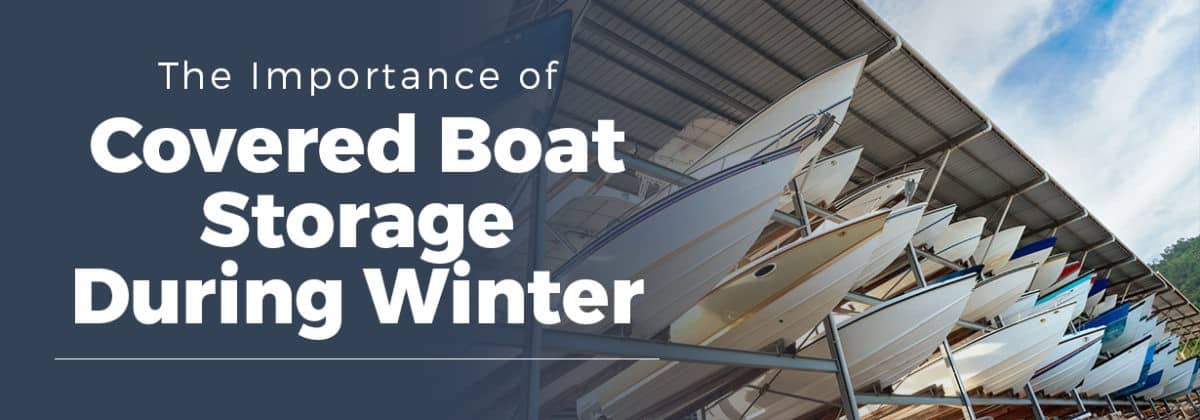
Essentially, professional storage staff will use a forklift to place your boat in a designated spot on an enormous rack. These racks will often stack boats three or four levels high!
Because they are designed to store a large number of boats in one small area, they are typically found close to the water, meaning transferring your boat from the dock to the rack won’t be too difficult.
They also come in both indoor and outdoor varieties. While outdoor racks will usually have a roof to protect the boats from the elements, they will still be exposed on the sides, meaning the weather can still be an issue. Indoor dry racks are obviously more protected and secure, although they tend to be more expensive to rent.
Which gets us to one of the most significant drawbacks for this kind of storage. First of all, a spot on a dry rack is expensive. In fact, in high-demand areas, this is probably the most expensive rental option available.
Secondly, while their location may be convenient, getting access to your boat after it’s gone into storage is a lot more difficult. Remember: these facilities use a forklift to place your boat in a rack slot. That means if you want to get to your boat, you need a forklift driver to pull it down. You won’t be able to pop by and access your boat on a whim. Instead, you will have to contact the administrator of the facility and get access that way. But even if you do give your administrator a heads-up, they might not be able to access your boat quickly, especially if you’re trying to get it during a busy loading or unloading season.
Third, if you don’t live in a high-demand area, it’s likely that a storage rack facility will be hard to find. If you do find one, it is less likely to be conveniently placed, meaning you might have to drive a long way just to get there.
So, while there are definite advantages to dry rack storage, especially when it comes to keeping your boat in good shape, there are also drawbacks, meaning there’s a chance that this option just won’t make sense for you and your lifestyle.
Self-Storage Facility
If you can’t keep your boat in your driveway due to neighborhood ordinances and a dry rack isn’t available, you might be able to keep your boat in a self-storage facility. Like dry racks, there are definite advantages and disadvantages associated with self-storage.
On the positive side, self-storage is typically more readily available regardless of where you keep your boat. They don’t require special equipment and structures, so they’re easy for landlords to set up, even if they aren’t located in a boat-heavy region of the country.
They are also very convenient. If you have your boat moored at a dock during the summer, there’s a very good chance that there’s a self-storage facility nearby built just for your boating community. Plus, because you don’t need a forklift to put your boat into its designated space, you can drive up and drop off your boat whenever you need to and access it over the winter as required.
Plus, like a dry rack, many self-storage facilities come with security features. If it’s a small facility, there will still likely be cameras installed to make sure thieves aren’t trying to access the boats during the night. If this is a larger facility, it may even have a dedicated security staff.
Finally, self-storage facilities come in a wide variety of forms. Some are indoors, meaning your boat will be protected from the elements all winter long. There are many self-storage facilities that are multi-use, meaning if you’re also an RV owner, you store your RV right next to your boat, making it even more convenient.
However, like dry racks, self-storage facilities can get pricey. If they are outdoors with minimal features, they will be more affordable, but will also lack some of the protections, such as high-security and indoor protection from weather events. If they are indoors, they will likely be just as expensive as a dry rack. While you may save on the cost of repairs associated with wear and tear, you will also pay a premium in rent.
Moreover, while many will be conveniently located, that’s not a guarantee. Depending on where you live and what you’re willing to spend, you may end up paying expensive hauling costs to get your boat to the self-storage facility for the winter.
What If I Just Build My Own Boat Storage Facility?
More and more, home and boat owners are looking for a solution that combines the convenience of home storage with the protection of dedicated storage facilities.
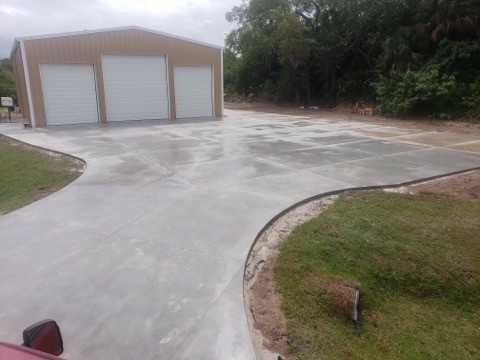
Luckily, outbuildings designed for a wide variety of purposes have become more readily available and more affordable, meaning placing a boat garage on your property is more feasible than ever.
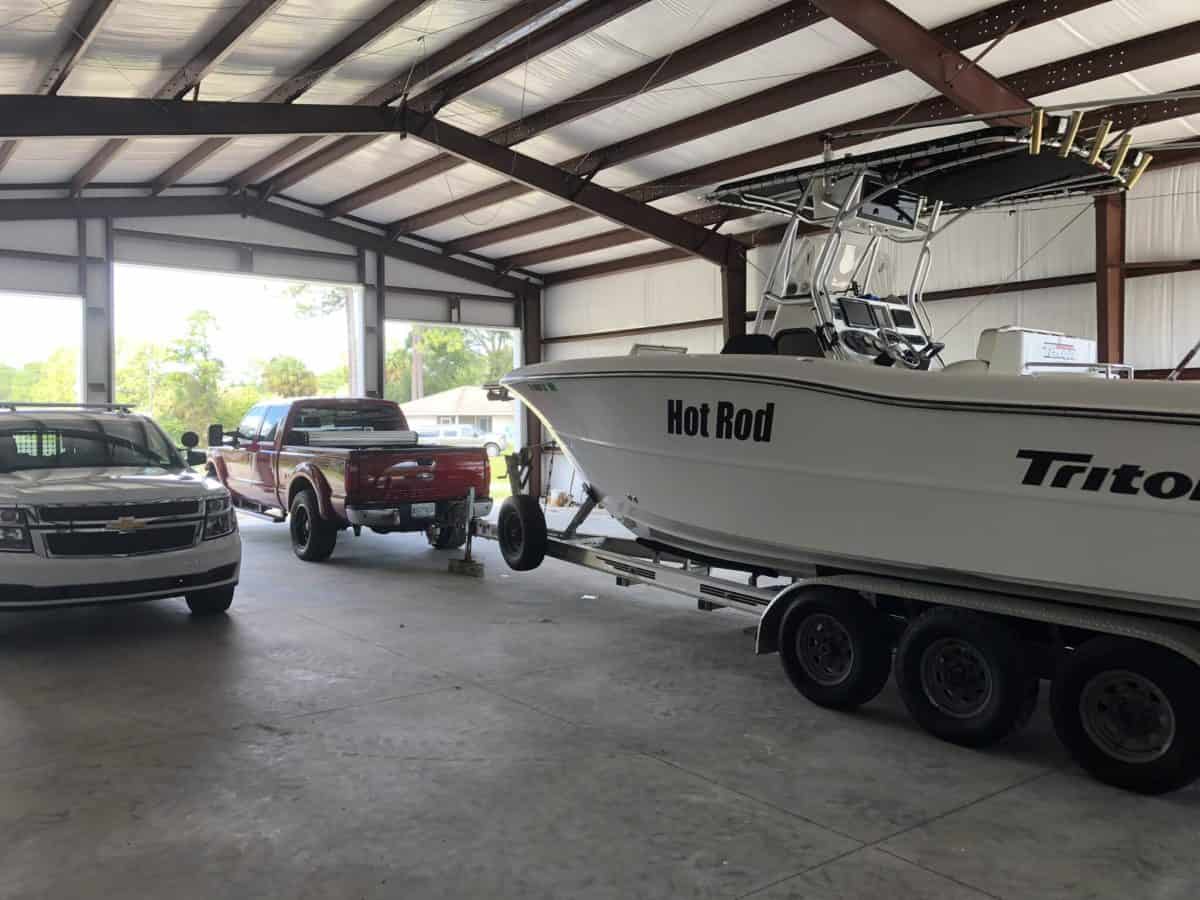
By building your own dedicated boat garage, you will be able to ensure that it’s properly sized for your boat. Furthermore, you won’t have to kick your car out just to make space and you can add whatever type of security features you want to make sure your boat is safe all winter long. Moreover, because you won’t need to open the door very often, a dedicated boat garage will be much better at keeping critters out.
However, more than the security and convenience, the best thing about a personal boat garage is that it is an investment, not a rental. You will be adding to the value of your property. And if you plan on keeping your home and boat for a long time, you will be saving money in the long run, as the dedicated garage will be a free place to park your boat once you’ve paid it off.
Finally, your own garage will be customized for you, your boat, and your needs. If you need a place to park both your RV and your boat, you can build a perfectly-sized garage. If your boat is especially tall, you can make sure your garage is equally tall.
In the end, if you’re a dedicated boat owner and you’re committed to the boating life for years to come, the most convenient, cost-effective, and secure option is a dedicated boat garage on your own property.
What Are My Options for a Personal Boat Garage?
Once you’ve decided to build your own boat garage, you need to find the perfect partner.
If you’re looking for a long-lasting, cost-effective, and versatile structure, steel buildings are your best bet. They have the durability to stand up to the elements, they come in a wide range of design options and they can easily be designed to meet your particular specifications.
But if you do decide on a steel structure for your personal boat garage, you need to turn to a manufacturer you can trust.
Luckily, here at MBMI Metal Buildings, we have the experience and dedication to make sure that your garage is perfectly suited for your boat storage needs.
Consider some of our premium construction features:
Premium lifetime fasteners: All of the fasteners we use in construction are guaranteed not to rust. We use these fasteners on all of our roof and wall panels
40-year warranty: We know you’re making an investment with new garage construction. That’s why we only use high-gloss, high-luster painted panels that are guaranteed for 40 years. You won’t find similar promises from the other guys.
Premium trims: Because a tight seal against weather and critters is essential for the purpose of your garage, we are committed to making sure we only use premium trim on all of our structures. Door jambs, eave trims, and base trims are all designed to keep the outside out and the inside in.
Cable bracing: Your boat garage is there to protect your boat from weather-related disasters. That’s why you need to make sure your garage is equally well-prepared to withstand the elements. Cable bracing adds strength and rigidity to the structure – and it comes standard with any MBMI steel building.
American-made: This is a country where we take pride in our craft. That’s why all of our structures are American-made. We believe in the American worker and the resulting quality.
Trouble-free: Finally, we pride ourselves on providing expert craftsmanship and attention to details for all of our customers. We want the purchase and construction of your boat garage to be as painless as possible. But don’t take our word for it – look at our customer testimonials as evidence of how committed we are to making sure your experience is trouble-free.
Since our founding, we have remained committed to being the best steel building professionals we can be. By employing state-of-the-art technology with an old-fashioned commitment to craft, we build beautiful, durable, and structurally versatile steel buildings for both commercial and residential applications.
If you’re ready to make the switch to a personalized boat garage – one perfectly designed to your needs and specifications – request a quote today. We look forward to partnering with you and helping you find the best way to keep your boat safe all winter long. Your boat is an investment, so do everything you can to keep it safe year in and year out.
If you own a recreational vehicle (RV), you must take steps to ensure its safety and upkeep during the winter months when it’s not likely to be used. Protecting your RV from the weather is one of the foremost concerns, as is keeping vandals and thieves away.
Luckily, you can follow practices check out the below tips for the best RV storage options for the winter months.
The Different Types of Winter RV Storage Options
As a recreational vehicle owner, you might only use your RV during the warmer months. Therefore, your RV might not be used for a good six or seven months out of the year.
With the following winter RV storage options, you can keep the vehicle stored properly during the months it’s not in use:
Home driveway or street-parking – An RV can be parked year-round in your driveway or on your street, though this can take up space and potentially irritate neighbors or violate a zoning ordinance in your city, township or borough.
Wrap-around cover – The outside of an RV can be covered up during winter to protect against snow and rain, though this doesn’t protect it from all other outdoor environment threats.
Outdoor storage – The cheapest way to store your RV offsite is to rent a parking space at an outdoor facility. Security can vary, and the vehicle will be exposed throughout the winter.
Covered storage – Some outdoor storages provide roofs or awnings for all vehicles on the lot, which provides better coverage, but it still leaves your RV somewhat exposed during cold months.
Indoor storage – The most secure offsite option is an indoor storage site, which can be pricey. It won’t leave your RV exposed to weather or the elements, and it isn’t available in all areas.
Carport – You can keep your RV covered on your property by setting up a carport, the roof of which will keep the vehicle protected from snow and rainfall.
Home garage – You can store your RV in your home garage if there’s enough space. Smaller RVs can fit into spacious two-car garages, but larger RVs are generally too big for this option.
Steel building – The best winter RV storage option is to buy an external steel garage, which can be specifically sized to house and protect the vehicle during winter months.
Each option has its pros and cons. To determine the best RV storage options for your recreational vehicle, you’ll need to determine your needs as an RV owner.
Should you decide to store the RV on your own property, you’ll also have to assess how much space it will consume. Even if you opt to have the RV stored someplace else, you’ll need to determine how much money you’re willing to invest each year for RV storage.
Should I Park My RV in My Driveway?
If you don’t want to invest in RV storage, yet you can’t fit the vehicle into your garage, the driveway might be your preferred option. Then again, an RV could also be too large for the driveway. Here’s a look at some of the pros and cons of driveway storage:
Pros
Safe – A driveway is a relatively safe place to park an RV, considering that it keeps the vehicle on your property and hopefully under the protective eyes of your neighborhood. Therefore, theft or vandalism are unlikely.
Accessible – When you keep your RV parked on your property, you can take it out for a trip anytime, day or night. Some of the most fun trips are done spontaneously, but it’s not always possible if your RV is stored someplace else.
Free – As with your garage, it’s free to park an RV in your driveway.
Cons
Takes up space – An RV can take up considerable space in a driveway. If your driveway leads to a single-car garage, the RV might take up the entire driveway and prevent you from using the driveway for other vehicles.
Infestation – Since the RV will be parked out in the open, insects or other animals could more easily make their way inside.
Weather and the elements – With no roof to protect it, the RV could be hit by whatever falls from the sky during winter months, from the heaviest rain to the thickest snow to heavy tree branches. Over time, this can damage the surface and cause cracks in the paint, which could make the RV vulnerable to rust.
Neighborhood zoning – People in nearby houses might not be thrilled by the site of a large RV in your driveway or on the street in front of your home. It might be your property, but it still might be against the rules of your neighborhood to park an RV in your driveway.
The driveway option is most practical on larger residential properties – preferably those where nearby houses are substantially spread apart – with ample parking space for two or more vehicles.
Will a Wrap-Around Cover Protect My RV?
One relatively inexpensive way to keep an RV covered during winter is to wrap it with a cover. The ultimate benefits of this option could all depend on where you keep the RV stored – on your property or at an outdoor storage lot. Some of the pros and cons include:
Pros
Covered – An RV-sized vehicle wrap will keep the tops and sides of the RV protected from the rain and snow.
Inexpensive – A wrap-around vehicle cover is relatively inexpensive. Pricing varies depending on the size of the RV.
Cons
Infestation – A wrap-around vehicle cover is not bug-proof. Insects can still make their way into the RV and nest during cold months.
Weather and the elements – A good quality cover will shield the top and sides of an RV, but the underside will still be exposed, which could be problematic if the snow gets thick or if it gets significantly wet from heavy rain.
Vulnerable – When parked out in the open, a covered RV could still be stolen or vandalized.
If you do want to cover your RV when it’s not in use, make sure the cover is made of breathable material. Don’t use a tarp, which blocks ventilation and can lead to mold growth in wet weather.
Will My RV Be Safe at an Outdoor Storage Lot?
If you don’t have room on your property to store the RV during winter – or if you simply wish to conserve space and store your RV elsewhere – an outdoor storage lot could be an ideal option. Preferably, you’d want to find a lot located near your home. Pros and cons for outdoor storage lots include:
Pros
Monitored – When parked inside a gated, outdoor lot, the RV will be under the watchful eye of the staff, which is a deterrent for vandals and thieves.
Inexpensive – Of all the off-site storage options, an outdoor lot can be the least expensive.
Cons
Not exactly guaranteed – Outdoor lots can vary in terms of security. Some are monitored 24/7, and others are not. Some lots have insurance policies and will take accountability for lost or damaged RVs, whereas others offer no such protections.
Infestation – As with all other outdoor storage options, an RV could be vulnerable to animals and insects.
Weather and the elements – If left uncovered, the RV will be exposed to the weather.
When it comes to outdoor storage lots, you get what you pay for. If the fee is very inexpensive, you might not get much protection for your vehicle. Choose your outdoor storage lot wisely. Research the lot and their policies before you entrust them with your RV.
Are Covered Storage Lots Safe for RVs?
At some storage lots, they offer additional protection with roofs or awnings. While the sides of the RV could still be exposed to the outside atmosphere at a covered storage, the vehicle itself is protected from the impact of rain and snow. Some pros and cons for a covered outdoor lot include:
Pros
Monitored – At a covered facility, RVs are monitored by security staff. With the added protection of the cover itself, recreational vehicles are often safer on these lots.
Reasonably covered – With the roof or awning overhead, the RV is protected from heavy downpours, harsh hail and heavy snow in the winter months.
Relatively inexpensive – Space at a covered storage lot can cost a little more than a space at an open lot, but they still tend to be very affordable.
Cons
Not exactly guaranteed – As with an open lot, an RV won’t necessarily be insured against damage or even theft when stored in an open space.
Infestation – Once again, bugs can easily crawl into the tiny holes and slots of a recreational vehicle.
Weather and the elements – An RV is still vulnerable to various aspects of strong weather as an open lot, such as wind, freezing temperatures, and humidity.
A covered storage lot could be a safe and affordable place to leave your vehicle, but it’s best to read the policies of a given lot before you drop off the RV.
Should I Store My RV at an Indoor Facility?
The safest off-site storage option for your RV when it’s not in use is an indoor facility. This way, the RV is locked in a secure building where it is protected 100% from the elements. However, there are still pros and cons to this option, such as:
Pros
Secure – With the RV locked in an enclosed, guarded space, the chances of your RV ever being lost or stolen are much less. Outdoor storage lots can vary in terms of security, while indoor facilities are usually equipped with surveillance cameras and are only accessible to those with keys.
Covered – At an indoor facility, your RV will be protected from rain, snow, hail, and wind. Bird landings and droppings won’t be an issue, nor will infestations if the facility has regular onsite extermination examinations.
Cons
Pricing – An indoor facility tends to be the costliest of RV rental storage options, so it’s really a matter of your budget for storing the vehicle throughout the months when it’s not in use.
Accessibility issues – When you have an RV stored at an offsite facility, you might not be able to access the vehicle anytime you want. While some facilities do allow 24 access, others are only open during business hours.
Rare option – Indoor RV storage facilities can be hard to find. There may or may not be one in your area, or the nearest one may be a long distance from your home.
Warranties can vary – Not all indoor facilities take responsibility for any damage that occurs to an RV while stored on-site. If a fellow renter bumps into your vehicle, or if the roof storage collapses, the expenses could fall entirely on you. Before renting out space, check a facility’s coverage policies.
An indoor facility, if available, is indeed the safest and most secure offsite RV storage option, but it can also be costly and render your RV inaccessible when you may want it.
Should I Store My RV in a Carport?
If you’d rather keep your RV on your property throughout the winter months, one of the better options is to set up a carport. Granted, you’ll need to make an initial investment in the structure and have room for it on your property, but a carport will keep your RV covered during non-use and leave space free in your garage and driveway. Pros and cons include:
Pros
Covered – A carport will protect your RV from rain, snow, hail, bird droppings and falling objects. With the structure’s sloped roof, rain and snow will fall to the side of the carport and not puddle up or accumulate underneath the vehicle.
Accessible – With the RV stored in a carport on your property, the RV can be accessed anytime, day or night, for impromptu trips.
Safe – If the carport is situated within a fenced portion of your property, the RV is unlikely to be stolen or vandalized.
Cons
Infestation – A carport is open-ended at the sides. Therefore, it’s still accessible to insects and other animals.
Wind and the elements – Strong winds could impact the RV, especially when mixed with side-blown rain, snow or hail.
If you have the space on your property and don’t have a garage, the carport is a much better RV storage option than your home garage or driveway, or any indoor/outdoor offsite storage place.
Should I Store My RV in My Home Garage?
One of the easiest storage options is inside your garage. It’s one of the safest options and allows you flexibility in terms of use and cost-savings in terms of storage. As with the other storage options, there are pros and cons to this:
Pros
Safe – Inside your enclosed garage, an RV will be safer from theft or damage.
Covered – A garage will keep an RV covered from heavy downpours, snow, hail, etc. Rust and water damage are of no concern when your garage serves as RV storage.
Accessible – Since the garage is on your property, your RV is available anytime you need it. This can be especially convenient if you want to embark on an impromptu trip or if you use the RV in colder months. When the RV is stored at an off-site lot or storage facility, you might have to arrange a day or time to access the vehicle.
Free – Since you already own the garage or pay for it as part of your mortgage, keeping your RV stored in the garage comes at no additional cost.
Cons
Takes up space – An RV can take up a lot space inside a residential garage – space that could otherwise be reserved for your boat, lawn mower, tractor or tool cabinets. You might not have enough room in the garage for the size of your RV.
Infestation – Pests or other small critters might make their way into your garage if they’re seeking warmth or food, just as they would if the RV was stored outside. If they do get in, they’re also liable to call the RV home.
Temperature – Your garage will offer more protection that outside storage’s exposure to temperature, but the garage isn’t 100% protected from temperature swings. A garage can get cold in the winter months, as well as humid during summer. If your garage isn’t temperature-controlled, your RV will gradually be exposed to temperature wear – especially if you live in an extreme climate.
Conventional residential garages are built to accommodate a variety of vehicles – cars, vans, trucks, motorcycles and boats. RVs can be added to this list.
What Are the Benefits of Steel Buildings for RVs?
If you have a large RV and truly care about its safety throughout the months when it’s not in use, the best way to keep it stored is inside an enclosed steel structure. A steel building can be constructed on your property to house the RV during winter months and leave your garage and driveway free.
Inside the steel building, the RV won’t have the vulnerabilities it would in an open-air setting and it won’t take up space in a carport or attached garage. Simply put, a steel building is the best of all RV winter storage options. Here are some pros and cons:
Pros
Covered – When stored inside a steel building, your RV is covered all around – top, bottom, front, back and sides. No rain, wind, hail, snow, trees or bird droppings can land on or side-swipe the RV. With periodic extermination, you can even render the steel building – as well as the RV within – bug proof.
Protected – A steel building is extremely difficult, if not impossible, to break into. Therefore, the possibility of theft or vandalism is unlikely when you store your RV in a steel building.
Accessible – To keep your RV stored in a steel building on your property, you can pull out the vehicle at any time for a spontaneous getaway.
Cons
Space concerns – A steel building can take up considerable space on your property. Granted, a steel building can be custom-made to the size requirements of your RV, but you’ll need to have land to house the structure.
Price – A steel building is a considerable investment, and it can be costlier than most offsite storage rentals. On the upside, the investment is one-time, while rental storage is an on-going expense with far fewer benefits.
If you truly value the safety and quality of your RV, then you owe it to yourself and the RV to keep it stored during winter in a steel building.
Buy a Steel Building From MBMI Metal Buildings
Of all the winter RV storage options, none are better at protecting your RV from the weather than a steel building.
Metal buildings are strong, inexpensive and quick to build. That’s great for a barn, garage, storage building or workshop and when our customers see just how economical and adaptable our buildings are, they ask,
Why not make one of those into a house?
Is it possible to build a house starting with one of our steel frames? Yes! It absolutely is possible. Not only that, but it has quite a few advantages over traditional wood platform framing, over CMU construction, and even over light gauge steel framing.
Wood Framing vs. MBMI’s Metal Framing
A traditional wood framed house uses studs, joists and rafters for its frame, usually spaced at 16 inches on center. To prevent fires from spreading too easily, each story of the house is built as a unit, topped with a wood deck. Most houses have wood cladding on their walls, wood sheathing on their roofs and wood interior finishes, as well. That’s a lot of material!
The type of steel frame we design at MBMI is much less expensive than a wood frame. It’s stronger, too. You’ll never have to worry about whether or not the structure can support another story, solar panels or anything else. You also won’t have to worry so much about the risk of fire.
Although wood is a renewable resource, we’re using it at a faster rate than we can grow it. Steel is fully recyclable, and a steel frame will always contain a substantial percentage of recycled metal.
The more consistent the layer of insulation in the walls and attic, the more energy efficient the house will be. Both wood and steel interrupt the insulation and don’t do a very good job insulating, themselves. In the construction business, they’re known as “thermal breaks”. Our frames have fewer thermal breaks than a standard wood frame.
To summarize,
A steel-framed house is stronger than a wood-framed house
Wood burns; steel doesn’t
An MBMI steel house uses less material in its structure
Not overusing wood helps to preserve forests and keep wood production sustainable
Steel can be – and is! – recycled
An MBMI steel house has fewer thermal breaks in its insulation
Light Gauge Steel vs. MBMI’s Metal Framing
Light gauge metal framing is a steel imitation of standard lumber, and it shares many of its disadvantages. First it’s expensive – usually more expensive than wood and a lot more expensive than our larger metal frames. Second, it has just as many thermal breaks as a wood frame, and they can conduct even more heat than wood does. Finally, a light gauge steel frame is just as complex and difficult to build as a wood frame.
We think that light gauge steel framing fails to take advantage of a lot of steel’s innate strengths as a building material.
Will it Look Like a House?
Our standard metal buildings come with metal siding and metal roofing. That’s because steel finishes are durable and inexpensive, and they allow us to offer the best possible value. A simple look can be striking and modern, and some people like this kind of look, especially combined with a custom spatial design.
However, many people prefer a more traditional appearance for their home. There is absolutely no reason why a house based on one of our steel frames can’t look exactly like a house with standard construction. Our buildings can be constructed with brick veneers. They can be sided with vinyl, stucco or wood.
You can add as much insulation to the walls as you want, and of course the interior can be finished with drywall or with any other standard material.
Since we can custom design a steel frame for your house, you can add anything you want: high ceilings, multiple stories, a garage or carport, or any other useful addition or architectural feature.
We’ve designed and manufactured a number of steel frames for homes, and we’re really excited about this type of project. Request a price quote today. We’d love to discuss how we can help you build your dream house more quickly and for less money than you would have thought possible.
It’s easy to overlook basic maintenance tasks. Your steel building might look alright for now, but peer a little closer and you’ll notice minor problems creeping up. Steel building owners are like everyone else – they procrastinate until an issue rears its head. With all the time-consuming aspects of life demanding our immediate attention, it’s inviting to say, “I’ll deal with it later.”
This approach undoubtedly leads to compounded problems down the road. A little grime or lack-of-maintenance today can snowball quickly. Ignore your steel building and you’ll likely end up faced with repair issues and larger maintenance dilemmas.
Thankfully, there’s a simple solution to preventing steel building nightmares: learn some basic maintenance tips and integrate them into your regular property maintenance tasks. By adding these maintenance practices into your routine, you’ll prolong the life of your steel building and avoid the headache caused by extensive repairs and replacements – not to mention the associative costs of time and labor.
Simple maintenance tasks save you money. It’s never cheap to replace neglected parts of your steel building or hire specialists to aid in your repairs. Moreover, untended steel buildings represent a possible financial liability. When steel buildings fall into disrepair, owners are unwittingly allowing safety hazards to exist on their property. If your steel building qualifies as part of your business, you are legally responsible for ensuring its safety.
The maintenance of steel building structures is vital to ensuring their functionality. Basic upkeep represents your best line of defense against any possible injury resulting from neglectful steel structure maintenance. Protect your building and minimize your liability by instilling basic maintenance habits into your life.
The Steel Building Advantage
Steel buildings offer a ton of benefits. They provide the cheapest, most durable, largest and most versatile option for available structures. If you own a steel structure, you already know they don’t require a huge amount of upkeep.
Give your steel buildings a little love and they’ll go a long way. If you’re a prospective steel building buyer reading out a list of maintenance tips, you might think it seems pretty demanding. In reality, it’s the opposite. Compared to other material structures, or even a house, steel buildings offer the easiest and least challenging option for creating a structure.
Steel building maintenance often doesn’t require immediate attention, so regular upkeep can go a long way to preventing emergencies. Unless you suspect a critical structural problem, most of these tips can be done when it’s convenient for you. Of course, if you believe your building might collapse or there is serious danger, call a professional.
If you perform the requisite amount of work, your building will last for ages. At MBMI Metal Buildings, we want your steel buildings to stand the test of time.
Tips for Preventative Maintenance
Preventative maintenance refers to performing touch-ups and checks on a building to decrease the likelihood of structural failure. The regular inspection of a building and correction of any apparent problems will prevent these issues from getting worse. By performing the following duties, you practice preventative maintenance.
1. Begin at the Beginning
When you first get a steel building, there are a couple of maintenance tasks it’s important to perform. First, remove any object still touching the exterior. After assembly, some tools, ladders or roof panels might be left laying around. Simply put everything away. You never want unnecessary weight to strain the building or obscure its surface.
After the drill holes get bored in the roof, some metal shavings remain on the roof. Sweep these off with a soft bristled broom. These shavings have a raw surface area and can lead to rust on the roof.
2. Trim the Hedges
Don’t allow any undue contact with your metal building. Left alone, large bushes or hedges will grow and push against your building wall. This prevents air from passing and encourages water to remain touching the building. This leads to mold and other unwanted fungal spreading.
Hedges also risk undermining the structure. Pressure exerted on the side of the building stresses the foundation and the positioning of the walls. Keep hedges at least half a foot away from your steel structure perimeter.
3. Remove Snow
Snow left on your roof exerts incredible stress on your structure. Check your building’s maximum allowable snow roof amount. If you believe your roof is reaching that threshold, act effectively to plan for snow removal.
After a first snowfall, it’s hard to determine if you’re in danger of crossing the allowable level. Consider the density of the snow, the amount of snow and what interval each snowfall has occurred. Avoid compounded snowfalls in which snow melts and then is covered by fresh powder, or, worse, rain. Snow soaks up rain and prevents normal draining. Fresh precipitation drastically adds to the aggregate weight.
When removing snow, employ extreme caution. Know your surroundings, wear the proper shoes and memorize the locations of skylights or translucent roof panels. Ensure you do not step on these or any other unstable parts of the roof.
To begin, look around. Ensure the roof hasn’t buckled. All the panels and frames should appear normal. Don’t proceed if you believe the snow undermined any areas of the roof.
Shovel the snow off the roof beginning from the end-walls working your way to the center. Along the eaves, knock the snow off, past the gutter. If your structure has a gabled roof, ask an assistant to remove the snow on the opposite side to even out the pressure on your roof.
Proceed to follow your pattern until you’ve decreased the amount of snow. Never bring your shovel into contact with the roof. Feel where the snow sits a few inches above the roof and never go lower. If your shovel scrapes the roof, you might damage it. Fissures or cracks result from aggressive shoveling and can lead to water leakage.
4. Check the Insulation
For insulated buildings, ensure no exposure, damage or evidence of moisture exists. Fissures in your walls happen for a number of reasons. Birds or other animals dig holes in your building while building nests. Be aware of any nesting or pest presence to stop holes before they happen. Along with pests, holes lead to unwanted outside air presence.
Any insulation maintaining contact with the air risks water contamination. Moisture prevents insulation from improperly protecting your building. This results in greater energy required to heat and cool the building. Increased electrical needs lead to ballooning utility bills.
Another negative aspect of wet insulation concerns damage. As trapped moisture lingers within your walls, the risk of mold and rust increases. Include pest, damage, insulation exposure, rust and mold in your examination. If found, add these issues to your pending maintenance repairs. Don’t let a problem like insulation exposure remain – you don’t want to replace an entire wall.
5. Wash the Building, Inside and Out
This represents a baseline maintenance task. Take care of your steel panels, and they’ll last a long time. Steel buildings benefit from solid materials that seldom require replacing. The best way to extend the lifeline of your building involves regular washing.
Dirt and grime accumulate on the structure as a matter of course. If left unattended, this filth will tarnish the surface of your building and possibly lead to mold or rust. Thankfully, it’s relatively easy to spot and remove trouble spots.
Give your building a wash every now and then. If the surface looks good, leave it alone. The trick involves frequent checking. If you see any residue, discoloration or other signs of dirt, break out your cleaning solution and go to work.
Many industrial cleaners exist for washing buildings, but other options exist. One home-made cleaning solution recipe is one cup of ammonia to five gallons of water. Thoroughly mix the ingredient, then apply the mixture to your building with any available applicator. Larger spray washers work great, but a trusty larger sponge-mop also gets the job done. After applying and scrubbing, rinse the building with a power washer on a low setting or garden hose with condenser extension.
Perform this task every couple of months. When washing the inside walls, wear a proper air mask to prevent the ammonia in the water from irritating your lungs. Don’t let the solution touch anything other than the surface you’re cleaning. Incorporate a thorough floor cleaning while you wash your walls or develop a rotation – one month the walls and the next the floors.
6. Check Gutters and Drains
In the war against water, gutters and drains represent your front line. If they become clogged, then water overflows and leads to rust and mold. You never want water to stick around. Anything it touches, it will slowly destroy.
Keep your gutters and drains clear of sticks, dirt, leaves or other detritus. Incorporate drain and gutter checks into your routine. If you find anything preventing their normal function, remove the blockage. Extract large clogs manually with rubber gloves and then flush the drain with a power washer. This removes all the smaller elements remaining. Your gutter and drain should drain normally after this procedure.
7. Oil Door Hinges
Check that your doors open and close naturally. Make sure the hinges are well-oiled and that no damage has occurred along the edge. The seal along the door frame should not leak or show signs of mold. If such signs appear, attempt to clean and disinfect the mold. Otherwise, replace the sealing.
The same principle applies to your windows. Ensure they maintain an optimally firm seal. If your steel building requires weather stripping on windows, ensure the sealing hasn’t deteriorated. Just like doors, lubricate their mechanism and check that nothing impedes their closure.
8. Inspect Garage Doors
If your steel buildings have roll-up style garage doors, add these to your list of tasks. Malfunctioning garage doors risk letting water into your building. Don’t let our aquatic enemy gain a foothold in your building. Always ensure the seal at the bottom of your door meets the floor perfectly.
If you’re forced to construct your building at the bottom of a hill, put a heavy duty drain at that side. Otherwise, water will flood under your garage door, even if the seal remains firm. The water will also pool against the side of the building. Consult with your steel building provider to arrange for the best drain and garage door weather stripping seal.
Other garage door aspects to inspect include: the rollers, cables, auto-reverse safety, tracks and overall garage door cleanliness. All these features contribute to protecting your metal building from the elements. If any one of these parts malfunctions, you risk exposing the interior of your structure to water.
9. Touch Up Painting
If you notice a scratch or other minor abrasion during your routine examination, it’s time for a retouch. It’s vital to ensure that no aspect of the metal substrate ever gets to breathe. Moisture exposure leads to rust and mold. Keep a reserve of matching primer and paint for covering any scratch. Once located, it’s a simple matter of applying a layer of primer followed by paint to the spot and leaving it to dry.
Always check to confirm you have the correct paint. Paint comes in a range of environmental exposure thresholds. Make sure your paint level matches your needs. For the primer, check that it will react with your paint to form a perfect sealant bond. Never hesitate to ask your building provider about which primer and paint to use. Paint offers your best protection against moisture and the elements.
Do Regular Maintenance
Several factors pertain to how often you should perform checks. We’ll discuss how your geography affects the required frequency of checks, but, in general, do a total, methodical, investigation at least twice a year.
You’re likely in constant contact with your building. Always take a look around and don’t put off performing repairs or maintenance tasks as required. Rust and mold never take a holiday and neither should your vigilance.
1. Consider Location
Where you live determines the level of building maintenance required. The seasons affect each region differently. In general, pay extra attention to your building before and after winter or after a storm. Areas prone to heavy snowfall also need additional maintenance.
If you live in a moisture-rich environment, perform checks more often. Coastal, humid or polluted areas affect steel buildings more dramatically than drier, rural regions. Air-borne pollutants corrode metal. If your building is in a heavily-industrialized area, consider the effects of pollution.
2. Record Your Examinations
Once you’ve decided how often to perform your checks, create a log book. Start by making a list of all the checks you wish to perform. Next, make a schedule for when and who will perform the examination. When performing the check, simply go down the list checking all the boxes. If something doesn’t pass inspection, record its presence and make a note for how best to enact the repair, touch up or maintenance task.
A simple sign off sheet ensures either you or someone else maintains responsibility for performing the investigations. A spreadsheet format works great.
Preventative Maintenance Keeps Cost Low
As we discussed, the technique of preventative maintenance yields the greatest return. You reduce your year-to-year costs by performing checks and addressing an issue immediately. Problems don’t go away on their own. It never pays to ignore them or put off investing the proper time and money to fix them.
Keep Perfecting Your Knowledge
Let these metal building maintenance tips offer you a guideline for your own custom routine. We at MBMI Metal Buildings know you’ll hone your techniques. It only takes practice to conduct preventative maintenance and master the technique.
Never be afraid to ask questions. We’re always available to answer your questions regarding metal building maintenance. We maintain a close relationship with our customers and promise to deliver an excellent product that provides optimal service for our customers for many years. We offer a variety of options for every possible purpose. Our resilient structures successfully bear the brunt of all types of extreme weather. Hurricanes, earthquakes and blizzards are no match for a well-built MBMI metal building.
Despite some exaggerated claims to the contrary, steel that is protected by red-oxide primer is a better product than galvanized steel for the vast majority of builders. That is why “red iron” is used in most commercial construction – from sheds to skyscrapers. Galvanizing may be useful in extraordinarily corrosive environments (chemical plants for example), but it can cause more problems than it solves in normal circumstances. It is expensive, and it turns a highly-versatile metal into a very unforgiving material. Galvanized steel cannot be painted, it cannot be bent without cracking the finish, and it cannot be welded without producing deadly fumes, not to mention a very ugly scar in the metal. It is also extremely abrasive and must be handled with heavy gloves. Though it is resistant to red rust, galvanized steel will develop white rust with prolonged exposure to moisture.
The water-based, environmentally friendly red-oxide primer is designed to protect the steel before it is erected. When properly applied, it holds up against all but the worst abuse (like allowing water to pool for weeks on un-erected parts). Some manufacturers just spray-paint manufactured components, but MBMI cold-formed steel is always fully prepped and primed before being fabricated, and the red-oxide coat is baked on our frames. As a result, any exposed red iron inside your building will look good for years, and you can finish it out to look even better.
Check out MBMI Metal Buildings in the Metal Construction News. The Metal Construction News reached out to MBMI for some insight in designing and engineering buildings for high wind load areas which is one or areas of expertise being based in South Florida.
Building Codes are legal requirements governing the construction of new buildings, as well as major renovations and changes in use of existing buildings. However, building codes are poorly understood, even by many in the construction industry. This article will explain the structure behind building codes: what they are, who writes them, who passes them into law and who enforces them.
Model Codes vs. Legally Enforceable State Codes
In both the U.S. and Canada, a national organization develops “model codes.” Yes, Canada and the U.S. have separate model building codes, and that’s absolutely vital to know for businesses who work on both sides of the border.
Model codes have no legal standing until they are adopted by a government that has the authority to regulate construction. In the U.S., those jurisdictions are the states and in Canada, they’re the provinces. Each state and province has its own building code, based on the applicable model code. Some states and provinces adopt the model codes outright. Other state and provincial building codes differ from the model codes quite a bit.
In the U.S., the model building code is called “The International Building Code,” or IBC. The International Code Council, a non-profit organization, publishes a full set of IBC model codes, including codes that provide guidelines for building construction, plumbing, fire protection and many other aspects of building and infrastructure design and maintenance. There are fifteen in all, and more information on them can be found at the website.
In Canada, the model building code is called “The National Building Code,” or NBC. It is developed by a government organization: The National Research Council, Canada. Canada also has a National Plumbing Code, Energy Code, Fire Code and Farm Code.
So, new editions of the model codes are published every five to ten years, and when that happens, every state or provincial government reviews the new model code and decides how to modify it for their jurisdiction. When they’re finished reviewing the new version of the model code and holding consultations, they’ll prepare a state or provincial building code, which is then made into law by the state legislature.
Local Enforcement
Every model code that’s adapted and/or adopted by a state or provincial government becomes a legal regulation within that jurisdiction. These codes are called things like The Florida Building Code or Ontario’s Building Code.
However, the state and provincial governments don’t generally enforce the Building Codes. Under most circumstances, they are enforced by local authorities; usually cities or townships. The building department in your area enforces the building code, which is a state regulation. The code is usually enforced by a building department, led by a building official.
When a new building is planned, drawings and specifications are prepared. These detail the building’s layout, structure, cladding, roof, plumbing, mechanical systems, finishes, fixtures, etc. For a large project, separate sets of drawings and specifications will come from an architect, a mechanical engineer, a structural engineer and possibly an electrical engineer, as well. In smaller projects, there will be fewer designers involved. The drawings will be submitted to the local authority, and the building department will check them to make sure that they comply with building code requirements. If they do, a building permit is issued for the project.
Once the building permit is issued, construction can begin. During the construction process, the local authority will send inspectors to make sure that the building is being constructed to code and according to plan. They will look at various systems and assemblies at various points in the construction process, and they will generally let the builder know in advance when to contact them for an inspection. In some jurisdictions, the local government also needs to issue a certification of completion in order for the building to be legally ready to use.
Other Laws That Can Affect Building Projects
The building codes aren’t the only codes that affect construction that go through the process of being drafted as model codes, adapted by state governments and enforced by local authorities. Energy conservation codes are sometimes separate from building codes, and they also affect the design of buildings. Fire and plumbing codes are almost always separate regulations, as well.
Building design is also affected by local government bylaws and planning policies. These affect the site plan review, and they may set limits on, for example, the building’s height or distance from the property lines. Zoning regulations can limit the types of buildings that can be constructed on a site, as well.
Talk to Your Local Building Official!
Now that you know just how complicated the regulation of building construction can be, how do you sort it out if you’re not an experienced professional? Call or visit your local building department with a list of questions and the basic facts about the project you’re considering. They will be able to tell you exactly what requirements you’ll need to be aware of and what regulations you’ll need to follow. Having a good relationship with the local building department is important for anyone planning a construction project, so why not introduce yourself and get the answers you need?
If you’re planning to construct a pre-fabricated building from a company like MBMI Metal Buildings, then most of the work will already have been done for you. However, you’ll still need to submit the project for permit, and you’ll still need to comply with any site plan requirements.
Can metal buildings work with rooftop solar energy systems? Yes, they absolutely can! Our clients who want to equip their MBMI metal building with solar voltaic panels, solar thermal systems or solar walls just need to supply our engineers with information on system at the beginning of the design process. We can design the structure to support any type of solar system at very little or no added cost.
What kind of system might be best? When most people think about solar power systems, they think of solar voltaic panels that generate electricity. However, solar thermal systems are, in many cases, an even better choice. Finally, there are solar systems that use hot air to provide heating, like solar walls. They can also work well with metal buildings.
Solar Voltaic Systems
Solar voltaic systems consist of arrays of solar panels that generate electricity. For rooftop use, these may be regular solar panels on the roof’s surface or solar shingles.
Many people think that solar voltaic systems feed electricity to the building, require batteries, and complicate the building’s electrical system. It’s true that solar panels can be used to directly power an off-grid building. However, most rooftop solar panels actually feed power into the local electricity distribution grid, and the power company pays the owners of the panels for the energy.
Here’s how it works. The building uses energy from the grid, and the panels feed energy into the grid. That way, there’s no need to store the electricity. Storing electricity is actually the less efficient choice. If the electricity is added to the grid, it all gets used, however, there are losses associated with storing it in a battery and using it later.
What this usually translates into for the building owner is a discounted electrical bill.
Solar Thermal Systems
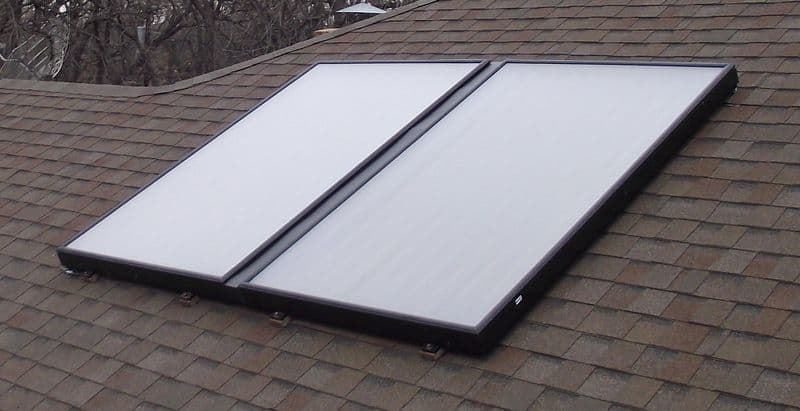
Solar thermal systems don’t generate electricity. Instead, they use solar power to heat water. Rooftop solar thermal systems can preheat the domestic hot water that’s used for cleaning, cooking and washing. They can preheat the water that’s used with a boiler and radiators. They can also be used to heat pool water.
There are two types of solar thermal systems. One simply involves using a high efficiency pump to pass water through tubes on the roof. The other type is more advanced and efficient. It uses a vacuum tube-based system and a heat exchanger. Both are governed by a set of thermostats and a controller. They switch on when the roof is hot and the water in the boiler, water heater or pool is cooler.
Solar thermal systems sound simple, they require powered pumps, and many people wonder how useful they are. The fact is, they are highly efficient and very useful. They almost always provide more energy savings than a solar voltaic system. After doing the research and running the numbers, most people find that solar thermal systems have a shorter payback period than solar voltaic systems.
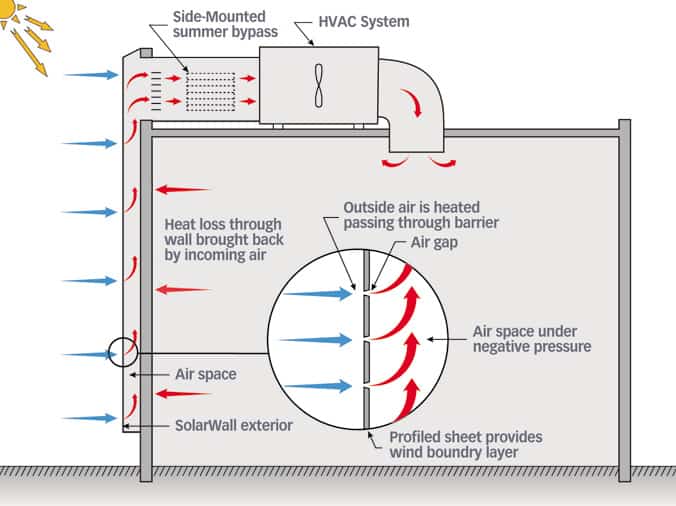
Finally, there’s the type of system that uses solar energy to heat the air: solar walls. Like water-based solar thermal systems, solar walls can help to boost a heating system. However, rather than working with boilers and radiators, they work with furnaces and ducts. They’re usually installed on a south-facing wall, and they absorb the heat from solar radiation, use it to warm a column of air, and allow the air to rise up to a rooftop HVAC unit for distribution. Like solar voltaic and solar thermal systems, a solar wall (or solar roof) can easily be coordinated with standard building systems.
Government Incentives
When it comes to the cost-effectiveness of these types of systems, government incentives can play a huge role. Check the EPA website and your state and local websites for information on feed-in tariffs for solar voltaic systems and grants and discounts for solar heating systems.
Why does the government have so much say in what private citizens construct on their own property? The fact is, government building and planning regulations serve a number of purposes, but the most fundamental are public safety and creating livable communities.
Building Code Objectives
In the U.S., building codes were first enacted in the nineteenth century. Why? New York burned. San Francisco burned. Chicago burned. Atlanta burned. Dozens of American cities and hundreds of towns were destroyed by massive fires, some more than once.
As a result, local and state governments made it their business to ensure that cities and towns couldn’t be destroyed by a single, cataclysmic fire. One way they do this is by prohibiting flammable cladding in built up areas. Another is by limiting the height of wood-framed buildings. Still another is by requiring sprinkler systems and stand pipes in large buildings.
MBMI’s metal buildings meet fire codes, and steel is not a flammable material. MBMI’s metal buildings are designed by fully qualified engineers, and steel buildings are strong and durable. MBMI metal buildings can be fully insulated and equipped with mechanical systems that meet building code energy conservation requirements. They can also be designed as accessible structures, just as any or type of building can. That’s why steel buildings can serve as a basis for houses, churches, athletic facilities, offices and gathering places as well as farm buildings, garages and warehouses.
However, it’s not all about fire prevention. Requiring that buildings be structurally sound is just as important. Nobody wants to walk into a building and have it collapse around them. Nobody wants to see a high rise dropping pieces of balconies or cladding onto the adjacent streets and sidewalks, potentially killing drivers and pedestrians. That’s why certain types of building systems need to be designed by qualified people, including licensed engineers, and approved by the local government.
Building codes are still based mostly on promoting public safety and fire prevention. However, a few other government priorities are included in them, as well. Today’s codes require that public buildings be accessible to people both with and without disabilities, and they also require that most new buildings (with the exception of storage buildings) be designed with a minimum level of energy efficiency.
Building codes set standards for the design and construction of new buildings and for major changes to existing buildings, including changes in use. In the U.S., building codes are state government regulations, and they are enforced by local building departments.
Planning Requirements and Bylaws
Building Codes aren’t the only regulations that affect building projects. In cities and towns, planning policies and bylaws, including zoning and historic district rules, can also affect what can be built, where it needs to be located and what it has to look like.
Like the building codes, planning policy started with a very basic and necessary idea, that local governments should contribute to residents’ quality of life by making rules about what can be built where. For example, they will generally not allow someone to start a pig farm in a crowded neighborhood, right next to the local restaurant’s outdoor seating.
Of course, it goes a lot further than that. For example, local governments may require minimum setbacks from the property line, a minimum amount of green space on each lot or limits on the amount of pavement allowed. They may have rules for minimum or maximum numbers of parking spaces, for the location of driveways and for drainage on private property. In a historic district, they may even tell you what color you have to paint your building.
Local governments do this through zoning requirements and planning policies. Most of these planning requirements make good sense, although some may come as a surprise to the unsuspecting property owner. Although some people may disagree with certain details of their local requirements, most people would say that in general terms, this type of government regulation is a good idea. Nobody wants to live next door to a pig yard or an asphalt plant.
Enforcement
Governments do these things – enforce the Building Codes and their planning policies and bylaws – mostly through the building permit system. That’s why property owners need to get approval from the local government before constructing anything bigger or more complex than a storage shed.
Although there’s one set of drawings, specs and forms submitted for each project, they actually go through two approval processes: planning approval and building code approval. The site plan is the main document that’s used in the planning approval process. The building code approvals are based mostly on the detailed construction drawings and specs.
In general, all buildings need to be safe and usable; they need to meet building code requirements. However, planning requirements having to do with the site layout and building appearance tend to be stricter and more complex in densely populated areas. Anyone can see that a building in the country doesn’t effect the public in the same way that a city or suburban building does.
So, anyone thinking about buying an MBMI metal building for use in a built up area would be wise to call the local planning department first and ask about the requirements. MBMI metal buildings can be designed in any color and any size, and they can even be clad in brick or whatever type of siding would look best in the neighborhood.
Building and planning rules can be confusing and frustrating to people who aren’t familiar with them, but they are meant to protect the public and to make sure that buildings and neighborhoods are safe, comfortable and accessible to all. Work with your local government to make sure that your MBMI metal building works just as well for the community as it does for you.