Author: Attila

  • Advantages of Choosing Steel Buildings for Agricultural Purposes

    Advantages of Choosing Steel Buildings for Agricultural Purposes

    Investing in agricultural steel buildings can seem like a significant decision, especially when you’re considering various options for your farming operations. What are the advantages of doing so?

    Table of Contents:

    Durability

    When considering construction materials for agricultural applications, one stands out from the rest: steel buildings. Their robustness and resilience are unparalleled.

    The robustness of steel cannot be understated. 

    In the wise words of Henry Ford, “Quality means doing it right when no one is looking.” This sentiment perfectly encapsulates why steel structures excel in terms of longevity.

    Steel’s inherent strength ensures that these buildings can withstand harsh weather conditions without compromising their structural integrity. Realizing the perks of utilizing steel for constructing edifices can help make your decision simpler.

    Factors that Make Steel Buildings Durable:

    Able to endure extreme weather conditions: Be it heavy snowfall or high winds; nothing fazes a well-constructed steel building. They’re designed with such situations in mind and will stand tall amidst adversity.

    Additional bonus points if you take into account how rust-resistant they are due to protective coatings applied during manufacturing.

    Maintenance-free lifespan: Unlike other construction materials like wood which require regular upkeep, a quality-made steel structure requires minimal maintenance over its lifetime. It’s an investment that pays off.

    This isn’t an exaggeration—it’s simply highlighting facts that underscore their cost-effectiveness and long-term value.

    Built-to-last Construction: These aren’t your average constructions—they’re engineered for maximum strength and stability. With precise assembly instructions ensuring correct installation, every component contributes towards overall toughness.

    Remember this crucial fact: proper installation equates to better resistance against natural disasters. Make sure all steps are followed accurately during assembly for optimal performance.

    Now let’s move on to another significant aspect—cost effectiveness—which we’ll discuss further in our next section.

    Cost-Effectiveness

    In the world of agricultural structures, saving on initial costs can lead to substantial earnings in the long run.

    Economical Material and Construction Costs: The Game Changer

    Mass production has revolutionized many industries, including building construction. Prefabricated steel components are produced en masse, resulting in significant savings on material costs. Coupled with reduced labor for assembly due to streamlined processes, steel buildings offer an economical solution.

    Sustainability: An Investment That Pays Back Future Generations

    Besides immediate cost advantages, choosing prefabricated steel structures can be an eco-friendly choice. Steel’s durability means that not only will your building last a long time, but it also allows it to be reused, making it an eco-friendly selection that preserves resources and provides economic savings over time.

    Customization Options

    If you’re looking to revolutionize your agricultural operations, steel buildings may be the perfect solution. These structures offer unmatched flexibility, allowing you to easily accommodate the specific needs that come with diverse farming practices.

    Explore Design Possibilities

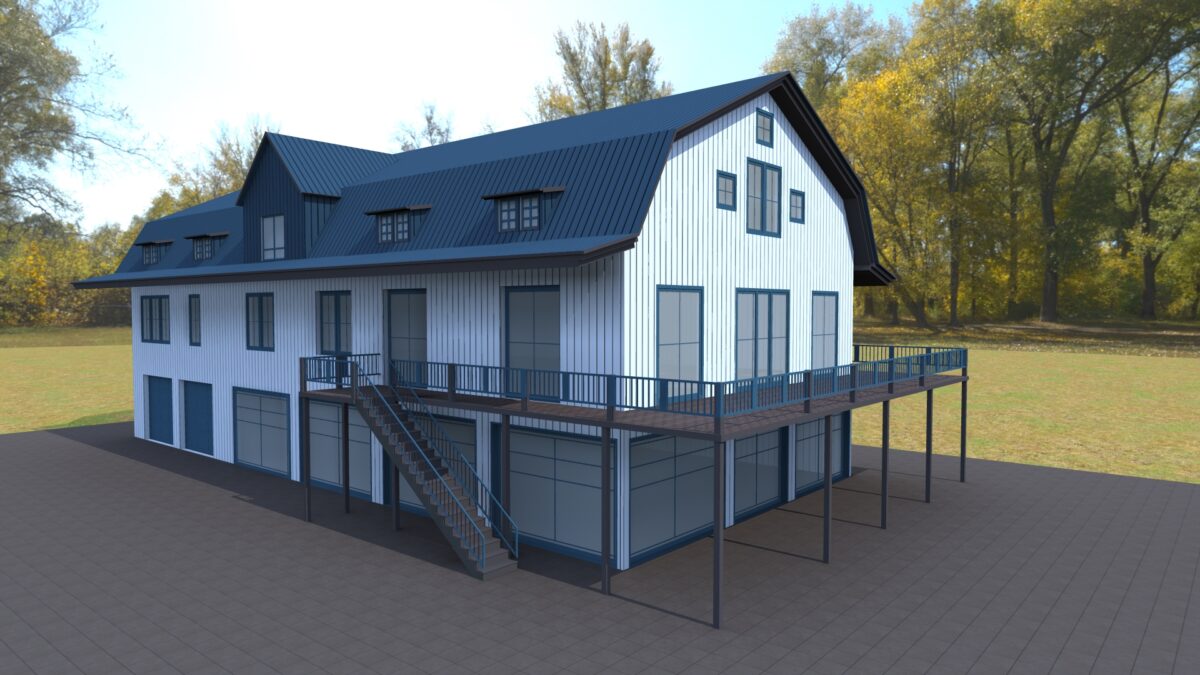
    One of the standout features of MBMI Steel Buildings is the wide range of design choices available due to our in-house engineering team. You can choose the dimensions and configuration of your building, as well as pick a color scheme that fits with your branding or personal style.

    Incorporate Durability Features

    Aside from aesthetics, you can also enhance the durability of your steel building with features such as advanced insulation or weather-resistant coatings. These additions not only extend the lifespan of your structure but also ensure it functions effectively in the various climatic conditions typically found in agriculture.

    Add-Ons Tailored for Agriculture

    The customization options don’t end there—MBMI offers add-ons specifically tailored for agricultural use, such as barn doors and ventilated eaves. These features are crucial for maintaining optimal internal environments within the structures.

    Ease of Installation

    As a farmer or agricultural entrepreneur, your time is valuable. That’s why MBMI Steel Buildings are designed with ease of installation in mind.

    The game changer: simplified construction process.

    Akin to assembling an intricate puzzle, the pieces of MBMI steel buildings fit together seamlessly. With components crafted off-site and delivered ready for assembly, you can say goodbye to on-site cutting or measuring – it’s all about saving precious hours and labor costs.

    What’s more? You don’t compromise on quality or structural integrity while speeding up the erection process – that’s efficiency redefined.

    Flexibility

    In the realm of agriculture, every operation has its unique needs, and steel stands at the forefront of flexibility today. How so?

    The key lies in versatile configurations.

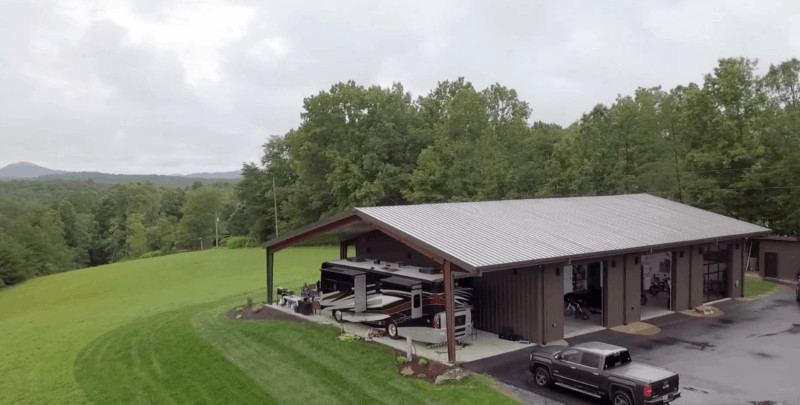
    Agriculture encompasses a spectrum – from livestock rearing to crop storage, housing machinery, or even processing facilities. Imagine having one solution that fits all these requirements. That’s exactly what prefabricated steel buildings offer with their wide-ranging adaptability.

    Custom Configuration

    Steel holds strength like no other building material. It permits large open interiors without support columns acting as obstructions. What does this mean for you? Spacious areas are perfectly suited for accommodating heavy machinery or providing ample space for animal husbandry activities, which will complement your barndominium farmhouse perfectly.

    Easily Modified to Match Needs

    “The only constant in life is change,” said Heraclitus, and he couldn’t be more right when talking about farming and agribusinesses’ evolving needs over time. Prefabricated steel buildings can be easily expanded or modified, matching your growth pace or changing direction effortlessly.

    This characteristic not only adds long-term value but also saves on costs related to major structural modifications typically associated with traditional materials such as wood or brick.

    Reduced Environmental Impact

    The agriculture industry has been under scrutiny for its environmental impact. However, farmers can significantly reduce their carbon footprint by choosing steel buildings from MBMI Steel Buildings.

    The thermal performance of these buildings is unmatched.

    Understanding how agricultural steel buildings provide superior insulation can help reduce energy costs associated with heating and cooling. These cost savings not only have a monetary value, but they also help to achieve sustainability objectives by lessening greenhouse gas discharges.

    Now let’s discuss the recyclability of these structures.

    In the larger scheme of things, steel is one of the most recycled materials on Earth. When your agricultural steel building from MBMI Steel Buildings reaches the end of its useful life, it doesn’t have to contribute to landfill waste like other construction materials. Instead of being discarded, your MBMI steel building can be completely recycled and reused for other projects when it reaches the end of its life cycle.

    The environmental and economic advantages of steel buildings are undeniable, and that’s without mentioning solar panels systems.

    Now, let’s address the issue of toxic chemicals or pollutants – or rather, the lack thereof:

    A significant advantage of using prefabricated steel buildings over traditional wooden structures is that they do not release harmful toxins or pollutants throughout their lifecycle. Unlike wood buildings, which often require chemical treatments to prevent pest infestation and decay, steel buildings offer an eco-friendly solution.

    Farmers who are committed to reducing their impact on the environment should seriously consider green building practices, such as those offered by MBMI Steel Buildings. Prefab agricultural steel buildings not only minimize the negative effects associated with conventional farming infrastructure but also provide a durable and customizable solution for enhancing farming operations.

    Ready to enhance your farming operation with these resilient structures? MBMI Steel Buildings offers prefabricated steel building solutions designed specifically for agricultural purposes. And we are not limited to agriculture, with options including barndominiums, aircraft hangars, commercial metal buildings, and more. Explore our offerings today!

    Agricultural Steel Buildings FAQs

    What is the difference between a metal building and a steel building?

    Metal buildings can use various metals like aluminum or tin, while steel buildings strictly utilize high-grade steel for superior strength and durability.

    What is agricultural steel?

    Agricultural steel refers to a specialized grade of steel used in constructing structures like barns, sheds, and silos that are integral to farming operations.

    Is a steel building a good investment?

    Yes. Steel buildings offer an excellent return on investment due to their durability, cost-effectiveness, low maintenance needs, and long lifespan.

    What is the difference between a fabric building and a steel building?

    Fabric buildings use tensioned membrane materials offering portability but less durability. Steel buildings provide more robustness ideal for permanent structures with a longer life expectancy.

  • Advantages of Prefabricated Metal Buildings

    Advantages of Prefabricated Metal Buildings

    Metal buildings, with their customizable options and quick construction times, are revolutionizing traditional construction methods. So whether it’s an agricultural building or a commercial powerhouse you’re looking to build – there’s an affordable metal solution waiting for you.

    Let’s jump right in…

    Table Of Contents:

    Advantages of Prefabricated Metal Buildings

    Prefabricated metal buildings offer a world of benefits that extend beyond their initial appeal. From cost-effectiveness to quick construction times, they have become a popular choice for residential and commercial use alike.

    The Cost-Effectiveness and Durability of Metal Buildings

    Metal buildings can be significantly more cost-effective than traditional structures, offering savings of up to 50%. This is due in part to their simple bolt-together design. Prefabrication methods allow for mass production which helps cut down costs while maintaining high-quality standards.

    Apart from being wallet-friendly, these buildings are known for their durability. They resist environmental elements better than many other materials used in construction. That means less money spent on maintenance over time—another win-win situation.

    Quick Construction Time for Metal Buildings

    No one likes waiting around when they need a building set up quickly—and prefabricated metal constructions shine here too. By manufacturing components off-site, we get them ready ahead of schedule. Once delivered to your site, it’s just about bolting things together—a process much faster than conventional brick-and-mortar constructions.

    This efficient approach not only saves you precious time but also cuts labor costs significantly since fewer man-hours are needed on-site—an added advantage when looking at overall project budgets. Recent data suggests that prefabrication reduces timelines by nearly half compared with traditional building methods—now isn’t that something?

    Beyond Savings: Customization and Variety

    In addition to saving both money and time, prefab steel buildings offer a degree of customization that’s hard to beat. Whether you’re seeking residential metal buildings such as barndominiums or need larger, commercial spaces like metal warehouse buildings, there’s something for everyone.

    You can tailor the design according to your needs—choosing from various sizes and styles. And let’s not forget about color choices. With prefab constructions, it really is all about what YOU want.

    A Green Choice

    Not only is choosing prefabricated steel a savvy move for your wallet and customization needs, but it’s also a green choice. Remember, steel can be recycled completely.

    Key Takeaway: 

    Looking for both residential and commercial solutions? Prefabricated metal buildings are a standout choice. They’re wallet-friendly, potentially cutting costs by up to 50% with their straightforward bolt-together design. Not only that, but they’re also durable as all get-out, saving you on upkeep expenses in the long run. And if speed is your thing? These structures have got your back, with quick installation times.

    Customization and Ordering Process for Metal Buildings

    If you’re seeking a custom-built, durable structure that meets your unique needs, look no further than the ease of online customization options offered by MBMI Steel Buildings.

    Online Customization Options

    The first step in creating your perfect metal building is choosing from various sizes to fit anything from small garden tools to large machinery. Think of it as picking the size of the canvas before painting; both are crucial foundations.

    Beyond dimensions, you have full control over accessories and design elements like roof style and wall panels. Whether it’s something sleek and modern or more traditional, we’ve got options to suit every aesthetic taste.

    The fun doesn’t stop there. Just like dressing up a character in video games, color selection lets you personalize even more aspects of your metal buildings—right down to trim details.

    Making It Yours – The Preview Stage

    After setting all those choices into motion comes one thrilling moment: previewing what will soon stand proud on your property. You wouldn’t buy clothes without trying them on first – similarly seeing how all these components come together visually helps ensure satisfaction with your customized steel structure.

    Key Takeaway: 

    Picking out your MBMI Steel Building online is as simple and enjoyable as selecting pizza toppings. You get to choose everything from size, design elements, and colors to trim details – it’s all up for grabs. Check out a preview of your choices before buying just to make sure you’re happy with them.

    Things to Know Before Buying a Metal Building

    Before deciding to purchase a metal building, take into account various essential factors. Don’t fret, we’re here to help you.

    Understanding Your Needs

    To start with, it’s crucial to understand your specific needs before diving into the vast sea of metal building options available. Are you looking for small metal buildings or large ones? Will this be a residential structure or is it intended for commercial use?

    Your space requirements and location restrictions will also play significant roles in your decision-making process. Potentially searching for ‘metal buildings near me’ might yield results that cater specifically to your local weather conditions and regulations.

    Evaluating Building Components

    A solid understanding of different building components can go a long way toward ensuring that you make an informed purchase decision.

    The frame is often considered the backbone of any structure. Opting for high-quality materials such as clear-span steel ensures durability and longevity.

    The exterior elements like cladding and roofing contribute not only towards aesthetics but also functionality – they shield against environmental damage while contributing positively towards energy efficiency.

    You may have heard about round metal buildings offering superior resistance against wind loads due to their unique design.

    Whether it’s an RV storage designed elegantly with steel frames or church sanctuaries built to last with robust metal, the choices are plenty. At the end of their lifecycle, many of these structures can be recycled – a decision that is both green and sustainable.

    Key Takeaway: 

    Before buying a metal building, you need to know what size and type suits your needs. Understanding the components of buildings like frames, cladding, and roofing is key to making an informed decision. Remember: many steel structures can be recycled for sustainability.

    Metal Building FAQs

    Is it cheaper to build your own metal building?

    You can save some bucks by DIY-ing a metal building, but you need the skills and tools. If not, hiring pros is smarter.

    How much does it cost to build a metal building in Texas?

    A basic Texas metal structure costs around $20-$50 per square foot, depending on customization and installation complexities.

    What is the difference between a metal building and a steel building?

    Metal buildings use various metals like aluminum or copper. Steel buildings are simply one type of them – they’re just made from steel.

    Are metal buildings steel or aluminum?

    Metal buildings could be either. They’re built with different materials including both steel and aluminum based on specific needs.

  • Maximizing Safety with Hurricane Steel Buildings

    Table Of Contents:

    The Power of Steel Buildings in Withstanding Hurricanes

    When it comes to withstanding hurricanes, steel buildings are a force to be reckoned with.

    Their resilience is truly remarkable, able to endure high wind speeds up to 170 or even 180 miles per hour.

    Steel structures, by design and construction, have proven their ability against the destructive forces of nature time and again.

    Natural Disasters: No Match for Steel Structures?

    Hurricanes bring heavy winds that can wreak havoc on traditional building materials, whether by the power of the winds themselves or through debris.

    In contrast, steel buildings stand tall amidst such inclement weather conditions due primarily to their robust steel framing.

    Durable Against High Wind Speeds:

    Metallic strength combined with smart engineering allows these structures not just to survive but thrive under extreme pressure from hurricane winds.

    Facing Category 4 Hurricane Winds Head-On:

    A category 4 hurricane brings devastatingly high tornado-like wind speeds – a challenge met by well-engineered steel constructions. These facts highlight why choosing steel over other materials could mean all the difference when preparing for potential natural disasters like hurricanes.

    Stay tuned as we further examine what makes a metal structure specifically designed for surviving hurricanes – a ‘Hurricane-Rated Metal Building’.

    What is a Hurricane-Rated Metal Building?

    A hurricane-rated metal building, as the name suggests, is specifically designed to withstand extreme weather conditions.

    This type of structure has unique features and construction elements that enable it to endure severe winds and other natural disasters.

    The Saffir-Simpson Hurricane Wind Scale: A Key Measure for Steel Structures

    To understand how these buildings are rated, we turn to the Saffir-Simpson Hurricane Wind Scale.

    This scale measures wind speed in hurricanes, which directly correlates with potential damage levels.

    The higher the building’s rating, the greater its ability to withstand corresponding category hurricanes. 

    Understanding the Steel Framing

    Metal framing plays an integral role in hurricane-rated steel structures.

    The resilience of this material, along with its rigid frame system provides structural integrity during high winds or heavy storms.

    Benefits of Choosing Steel Buildings for Storm Shelters

    If you’re considering a custom hurricane storm shelter, choosing steel should be your first option.

    Insulation Advantages

    The right insulation is key to comfort in any building, but it’s especially crucial in a storm shelter.

    In the summer’s sweltering heat or winter’s bitter chill, suitable insulation can help keep extreme temperatures from affecting your shelter.

    A well-insulated steel building, with its superior thermal performance, ensures consistent indoor temperature regardless of outside conditions.

    This means less reliance on heating and cooling systems which translates into energy efficiency and cost savings over time.

    Beyond just temperature control though, a properly insulated steel structure also provides excellent soundproofing – perfect for when heavy winds are howling outside during a hurricane event.

    Moving forward, we’ll dive deeper into how these resilient structures stand up against Category 4 hurricanes – some might say they’re built as tough as nails.

    How Steel Buildings Can Withstand Category 4 Hurricanes

    Steel buildings are engineered to withstand high tornadoes, category 4 hurricanes, and other forms of extreme weather.

    This is due to their unique construction features that prioritize strength, durability, and resistance against extreme weather conditions.

    The Role of Thicker Varieties of Steel

    In the face of a category 4 hurricane, which can bring wind speeds up to an astounding 130-156 miles per hour according to the Saffir-Simpson Hurricane Wind Scale, steel structures prove their worth.

    Thicker varieties like the robustly resilient 22-gauge steel offer unparalleled wind resistance, capable of withstanding winds reaching up to a staggering speed limit between 170 or even as high as 180 miles per hour.

    Anchoring Techniques for Enhanced Stability

    Beyond just using thick gauge metal framing in its structure, these buildings also utilize anchoring techniques designed specifically for such severe climatic challenges, which provides additional stability during heavy winds.

    This ensures your building remains firmly grounded when faced with violent gusts associated with category-four hurricanes.

    Meticulous Engineering Designing Against High Winds

    Apart from material selection and foundational security, meticulous engineering design plays a crucial role in enabling these structures’ ability to resist natural disasters like hurricanes.

    Specially crafted designs ensure effective distribution load across all structural members reducing pressure on individual components, thus increasing overall resilience during any major storm event.

    Remember: it’s not just about choosing steel; it’s about selecting quality-engineered steel that is “Hurricane-Rated”.

    Adhering to Building Codes for Safety

    When constructing a hurricane-rated metal building, adherence to local building codes is paramount.

    This compliance isn’t just about ticking boxes; it’s about ensuring safety during severe wind events or natural disasters.

    The Importance of Compliance with Local Building Codes

    Rules are not intended to be disregarded.

    Your hurricane-rated metal building must meet specific standards set by your locality’s governing body in terms of design, materials used, and construction practices employed.

    Avoiding Potential Hazards Through Code Adherence

    Meticulous attention to these regulations can help prevent potential hazards that may arise due to poor structural integrity or insufficient resistance against high winds from hurricanes.

    1. An understanding of how steel structures should respond under heavy winds as per Saffir-Simpson Hurricane Wind Scale will guide you through this process.
    2. You’ll also need knowledge of anchor bolts’ placement within concrete foundation elements – crucial for stability during inclement weather.
    3. Last but not least: knowing when (and where) additional reinforcements are necessary based on expected wind speeds in your area.

    If you’re seeking security against nature’s fury or simply want an enduring construction solution, consider MBMI Steel Buildings. Our prefabricated steel structures offer unparalleled protection against severe weather conditions like hurricanes while ensuring affordability and sustainability. And we can create virtually any structure, from agricultural steel buildings to commercial metal buildings and metal sports facilities.

  • Insulating a Steel Building: A Comprehensive Guide

    Insulating a Steel Building: A Comprehensive Guide

    The Importance of Insulating Steel Buildings

    Insulation in steel buildings is an essential consideration, particularly for those located in areas of high humidity or significant temperature fluctuations. 

    Insulation plays an integral role in managing heat flow within metal structures.

    A wise man once said, “A penny saved is a penny earned.”

    This statement rings especially true when considering energy efficiency in your building project. Properly insulating your structure can significantly reduce heat transfer between its interior and exterior environments, resulting not only in comfortable conditions but also substantial cost savings over time due to improved energy efficiency.

    Mitigating Moisture Damage: A Key Role for Insulation

    Beyond thermal regulation, proper insulation provides vital protection against moisture damage, an often underestimated threat to prefab steel buildings.

    In the absence of this protective layer, condensation may accumulate on metal surfaces leading to rust, which will undermine structural integrity over time. That same condensation also encourages mold growth, which poses health risks.

    Noise Reduction: An Added Bonus from Quality Insulation Materials

    While less frequently discussed than their thermal benefits and protective properties against moisture damage, another important advantage provided by quality insulation materials like fiberglass blankets or spray foam options lies in sound absorption.

    Metal structures are known for echoing noise due to their hard reflective surfaces, something you might want minimized if you’re planning on using the space as living quarters or offices where peace and quiet could be crucial.

    Quality insulation materials offer excellent sound-absorbing qualities, helping mitigate both external noises (traffic sounds) along with internally generated ones (machinery operation).

    In essence, whether we’re talking about preventing unnecessary heat loss/gain, preserving equipment’s lifespan, avoiding potential rusting issues, mitigating mold risks, or improving acoustic comfort, the importance of properly insulating your steel building cannot be overstated.

    Energy Efficiency 

    In simple terms, insulation keeps warm air inside during winter months and blocks excessive heat from entering your structure’s interior temperature during summer, effectively reducing reliance on HVAC systems, which often burn fossil fuels for power generation. This not only lowers carbon emissions but also saves significantly on heating and cooling costs. According to research conducted by the American Council for an Energy-Efficient Economy (ACEEE), well-insulated buildings can save up to 50% compared to non-insulated ones.

    Key Takeaway: 

    Don’t skimp on insulating your steel building—it’s crucial for managing heat flow, preventing moisture damage and rust, reducing noise, and improving energy efficiency. Remember: a penny saved in insulation costs is a dollar earned in long-term savings.

    Where to Insulate in a Metal Building

    In your journey of creating energy-efficient steel buildings, one key decision you’ll need to make is where exactly should the insulation go. The answer? Your focus should be on two primary areas: the roof and walls.

    This isn’t just about temperature control.

    The wise words from Benjamin Franklin ring true here as well – “If you fail to plan, you’re planning to fail.” When it comes down to insulating metal structures, careful planning can lead us to superior thermal resistance and continuous protection for interior equipment against harsh weather conditions or extreme temperatures.

    Preventing Moisture Build-Up

    Moving beyond controlling the structure’s interior temperature with proper insulation materials like fiberglass blankets or spray foam insulation, there’s another crucial aspect we must consider: preventing moisture build-up.

    Avoiding condensation inside your building not only prevents heat flow but, as mentioned previously, also safeguards its structural integrity by reducing risks associated with the rusting of metal panels.

    Wall Insulation: A Key Factor for Energy Efficiency

    We’ve discussed roofing so far; now let’s shift our attention towards wall insulation. An often overlooked yet critical factor that plays an integral role in any successful prefab steel building project.

    Your choice will depend largely upon local climate conditions and specific usage requirements, which dictate what level of thermal resistance would best suit your needs when considering exterior wall options for pre-engineered metal buildings.

    Floor Insulation

    If the steel building has a concrete floor, it is important to insulate it to prevent heat loss. This can be done by installing insulation under the concrete slab, helping keep your building warm during those cold winter months.

    Doors and Window

    Insulating the doors and windows is crucial for preventing drafts and maintaining energy efficiency. This can be done by using weatherstripping.

    Types of Steel Building Insulation

    You’ve decided on a steel building for your project, and you’re partnering with MBMI Metal Buildings – an excellent choice. But now comes the crucial decision: what type of insulation should you choose?

    No one answer is the same for everyone. 

    A sage once remarked, “The appropriate tool for the correct task.” The same is true when it comes to selecting insulation materials; what you choose depends on your particular requirements and preferences.

    Reflective Foil Insulation

    If we were to talk about metal buildings in hot climates, reflective foil would be our first recommendation. This unique material has a surface that reflects heat away from the structure’s interior temperature rather than absorbing it – think thermal break meets summer sun.

    This waterproof solution can help reduce cooling costs significantly in regions where temperatures soar high during summer. It’s like having sunglasses installed in your building.

    Fiberglass Blanket Insulation

    In contrast to its shiny counterpart above, fiberglass blanket insulation works by slowing down heat flow instead of reflecting it back outwards. By trapping pockets of air within their fibers, they offer exceptional thermal resistance, making them ideal insulating options when dealing with colder climes or variable weather patterns.

    Available as rolls or batts, these blankets are easily fitted between wall panels or laid atop roof panels, offering continuous protection against cold drafts. But remember, installation must be meticulous because even small gaps could compromise efficiency.

    Insulated Panels 

    Moving towards more modern solutions, let’s discuss insulated metal panels (IMPs). Imagine two sturdy metal plates sandwiching an insulating foam core specifically designed to provide superior performance under all conditions.

    These IMPs deliver outstanding thermal resistance while adhering strictly to stringent building codes, largely thanks to their seamless design which minimizes moisture penetration and maximizes energy efficiency. 

    Rigid Board Insulation

    When considering how best to protect prefab steel structures, rigid board insulation often ranks highly among popular choices. Made primarily of polystyrene and polyurethane foam, these boards boast impressive R-values per inch thickness, acting as a vapor barrier thereby limiting heat flow and curbing the building’s energy use.

    Spray Foam Insulation

    Applied as a liquid and expanding to fill the space, this insulation serves an additional purpose in that it helps with soundproofing.

    Key Takeaway: 

    From reflective foil for hot climates to fiberglass blankets for colder ones, insulation types are diverse and tailored to specific needs. Modern solutions like insulated metal panels offer superior performance, while rigid board insulations provide excellent protection for prefab steel structures. Choose wisely.

    How to Talk to Contractors About Exterior Insulation

    You’ve decided on a prefab steel building for your next project. You’re excited about the potential of this structure, but you know that proper insulation is key. It’s time to have an informed conversation with your contractor about exterior insulation.

    Understanding Your Local Climate Conditions

    The climate in which your metal building will be located plays a significant role in determining the type of insulation materials. For instance, spray foam might be ideal if you live in an area prone to high humidity and temperature swings as it effectively prevents heat flow and condensation build-up.

    Familiarizing Yourself With Building Codes

    “An investment in knowledge pays the best interest,” Benjamin Franklin once said. This wisdom holds true when dealing with local building codes related to insulating steel buildings.

    Your contractor should already understand these regulations; however, knowing them yourself can foster more productive discussions and ensure compliance.

    This understanding also helps guide decisions between popular insulation options like fiberglass blankets or rigid boards based on factors such as thermal resistance needs or desired protection against exterior noise.

    Determining Usage Requirements

    The intended use of your prefab steel structure significantly impacts its required level of insulation. If housing temperature-sensitive equipment inside is part of the plan, then insulated panels may need top billing due to their ability to maintain optimal interior temperatures consistently.

    If preventing rust caused by moisture accumulation within wall panels or under roof panels ranks high among concerns, consider utilizing specially designed metal panel systems featuring an insulating foam core sandwiched between two layers of metal – providing excellent thermal break performance while adhering closely to most established building code requirements.

    FAQs in Relation to Insulating a Steel Building

    Is it worth insulating a metal building?

    Absolutely. Insulation controls heat flow, prevents condensation, and reduces noise in steel buildings. It also enhances energy efficiency and protects interior equipment.

    Should I insulate my steel building?

    Yes, you should. Proper insulation wards off rust and mold caused by moisture build-up, especially in areas with high humidity or fluctuating temperatures.

    What is the best way to insulate an existing metal building?

    The most effective method depends on your specific needs but options include reflective foil, fiberglass blankets, insulated panels designed for metal buildings, or rigid boards.

    What kind of insulation do you use for a metal building?

    You can choose from several types such as reflective foil that reflects heat away, fiberglass blanket which traps air pockets, insulated panels offering excellent thermal resistance, or rigid board providing high R-values and moisture resistance.

    Conclusion

    Insulating a steel building is more than just a task, it’s an investment in energy efficiency and longevity.

    The right insulation can prevent condensation build-up, ward off rust, and provide continuous protection for interior equipment.

    From reflective foil to fiberglass blankets or insulated panels – there are multiple options tailored to your specific needs.

    Communication with contractors is key. Understanding local climate conditions and building codes will guide you toward the best choice of insulation materials.

    Metal buildings contribute significantly to sustainable practices due to their durability, recyclability, and enhanced energy efficiency when properly insulated.

    It’s time to put what we’ve learned about insulating a steel building into practice!

    With satisfied clients including Virgin Hyperloop One, Mobil, Walt Disney, and more, MBMI is the company to trust when it comes to prefabricated metal buildings. Whether you need an agricultural steel building, an aircraft hangar, a commercial metal building, or even a steel garage, our experienced team of engineers will design the perfect building for you.

  • Understanding and Utilizing Steel Building Kits Efficiently

    When it comes to construction, steel building kits are changing the game.

    Gone are the days of lengthy construction timelines and inflated costs associated with traditional methods.

    Now, you can opt for pre-engineered metal buildings that not only save time but also offer unparalleled durability and efficiency.

    The catch? Understanding what steel building kits entail and how to effectively use them in your project.

    Understanding Steel Building Kits

    Consider steel building kits as an alternative to traditional wood and brick structures. 

    Definition of Steel Building Kits:

    A steel building kit is essentially your one-stop shop for constructing a durable, cost-effective structure. It comes with all the commercial-grade steel framing components you need to erect your custom-built edifice. The beauty lies in their simplicity – no columns obstructing space, just clear span areas ready for use.

    Types of Steel Used in Construction:

    In these prefab structures, two types of steel reign supreme – carbon and stainless. Carbon offers strength at an affordable price point while stainless provides resistance against corrosion, making them ideal choices depending on specific needs.

    The Benefits of Steel Building Kits

    When it comes to building structures, steel is the real deal. Don’t just take us at our word; let’s look into why steel building kits are a revolution in the construction sector. 

    Durability against Extreme Weather Conditions

    Steel has your back.

    In tornadoes or hurricanes, earthquakes or blizzards – these metal marvels stand tall and firm. Their resilience is unparalleled compared to traditional buildings. So if you’re located somewhere with Mother Nature on overdrive, consider steel your new best friend.

    Energy Efficiency Benefits

    Say goodbye to sky-high energy bills.

    Prefab warehouse buildings constructed with American-made recyclable steel can cut energy costs by up to 50%. That’s half your bill gone. Not only do they save you money but also contribute towards reducing your carbon footprint – making them an eco-friendly choice too.

    Customization Options in Prefab Construction

    Prefab constructions like those offered by MBMI Metal Buildings are not one-size-fits-all solutions. They’re more like Lego blocks – they give you the freedom to build what suits your needs best.

    Tailoring Designs According To Needs

    Create Your Masterpiece

    You can customize everything from the size and layout of rooms, doorways, windows, roof styles – even color schemes. Make sure to communicate all these details clearly with your supplier during the design phase.

    Expansion Possibilities

    With prefabricated structures, expanding (or downsizing) becomes much simpler too. You have flexibility for future growth without worrying about major renovations or rebuilding costs.

    I recommend working closely with experienced suppliers throughout the designing and pricing stages of the project – it makes things smoother overall.

    Choosing a Supplier For Your Project

    When it comes to picking the right supplier for your prefab steel building project, experience is key. You want a company that has been around the block and knows how to handle any curveballs thrown their way.

    A supplier with extensive experience dealing specifically with prefab constructions can guarantee optimal results tailored exactly to your needs. This isn’t just about having built a few structures; we’re talking about years of consistent, high-quality work.

    Experience Requirement in Suppliers

    For a successful project, it is essential to find an experienced partner who can provide assistance throughout the design and pricing stages. An ideal supplier doesn’t just provide materials; they offer guidance throughout the entire designing and pricing stages of your project, making everything smoother overall. 

    Assistance During the Designing Phase

    In addition to technical expertise, excellent customer service should also be high on your checklist when choosing a provider. Your chosen company should have accessible customer service that is fast and responsive during regular business hours – no one wants to be left hanging.

    Finding The Right Fit:
    1. Evaluate Experience: Make sure they’ve got plenty under their belt.
    2. Demand Design Assistance: They should help you through all stages.
    3. Prioritize Customer Service: It makes everything easier.

    Uses of MBMI Steel Buildings

    We mentioned flexibility. That may be an understatement. Steel buildings have taken on a wide variety of forms, from commercial and agricultural buildings to barndominiums and RV storage units. 

    And if the project of your dreams is not listed, fear not! The flexibility of our steel building kits along with our engineering expertise can go as far as your imagination and the laws of physics will allow.

  • Why Using A Metal Building Is A Great Choice For A Barndominium

    Why Using A Metal Building Is A Great Choice For A Barndominium

    For many reasons, using a steel building for a barndo or a barn-style home is an excellent choice. One of the most significant advantages of using a steel building for a barndo is the ease of construction. Steel buildings are prefabricated, which means that the components are manufactured off-site and assembled on-site. This dramatically reduces the time and labor required to construct the building and minimizes the need for heavy machinery, which can be costly and disruptive.

     class=

    Another advantage of using a steel building for a barndo is the possible high level of customization. Steel buildings can be designed to meet various architectural styles, from traditional barns to modern designs. They can also be customized to meet specific needs, such as extra insulation or specialized ventilation systems. This level of customization allows you to create a uniquely tailored home to your needs and preferences.

    Cost-effectiveness is another significant benefit of using a steel building for a barndo. Steel buildings are generally less expensive than traditional wood-framed buildings and require less maintenance over time. This makes steel buildings an excellent choice for those looking to build a barndo on a budget.

     class=

    Finally, steel buildings are an eco-friendly choice for a barndo. Steel is a recyclable material that can be reused and repurposed many times. This reduces the need for new materials, which in turn reduces the environmental impact of the building. Also, steel buildings are energy efficient, which can help reduce your energy costs and carbon footprint over time.

    In conclusion, using a steel building for a barndo offers several benefits, including ease of construction, high customization, cost-effectiveness, and eco-friendliness. If you are considering building a barndo, it is worth considering using a steel building as your building material. With the right design and construction, a steel building can be a functional, sustainable, and beautiful home that you will be proud to call your own.

  • 11 Ways Metal Buildings Are Protected & Stand Against Extreme Weather

    Forest fires, heavy rain, snow, hurricanes, and much more have plagued building owners for centuries, causing serious damage. Thankfully, building engineers have made advancements in structural durability, one of them being pre-engineered metal building. One of the many benefits of metal buildings is their ability to withstand nature’s most treacherous moments, providing building owners with maximum damage protection. Here are the key ways that metal buildings stand against extreme weather.

    Engineering is Key 

    When our engineers design a metal building, they design it with the area’s loads and codes in mind. For instance, a building in Florida, where hurricanes and heavy rain are present, will be different than a building in Michigan, where snowstorms take a heavy toll on buildings. Even a strong metal building that isn’t designed for a specific area will most likely underperform. MBMI provides the utmost engineering, making sure your building exceeds the local building codes. Each building at MBMI is uniquely and efficiently designed for the customer’s needs. Our buildings can withstand the most devastating natural disasters. 

    Ductility With Extreme Weather

    Ductility is the extent to which a material or structure can undergo large deformations without failing. Metal buildings, when designed accordingly, are extremely ductile. This means that metal buildings have the capability to bend without breaking. A feature like this is extremely important in areas that are prone to earthquakes and high winds.

    Strength-to-weight ratio

    The strength-to-weight ratio compares a building material’s inherent strength to its weight.  Basically, the strength-to-weight ratio indicates the point at which a building material will fail to support its own weight under stress. Steel has the greatest strength-to-weight ratio of any material, 25 times greater than wood.

     class=

    Specific Strength

    Most materials vary in strength. For example, two pieces of the same wood species will have different strengths, same goes for concrete. Steel is a lot more specific in strength, meaning that pre-engineered steel buildings produce stronger, more durable structures with far less material and labor than other materials. 

    Noncombustible

    An interesting fact is that steel will not burn, it does not ignite, it won’t feed the flames, and it will not cause the fire to spread.  You can take International Building Code’s word, they recognize steel framing as a noncombustible material.

    Earthquakes

    Metal buildings are well equipped for earthquakes. Earthquakes shift and move the foundation of a building. Like we mentioned above metal buildings are very ductile, it can undergo a lot of bend and deformation and not fail. Metal buildings are also lighter than other buildings. This is very beneficial during earthquakes since it lessens the force that can potentially tear a building apart.

    Heavy Snow

    extreme weather

    Snow might be pretty to look at but it can cause an immense amount of structural damages since it is heavy, cold, and wet. Where there are intense levels of snowfall, there are higher chances of roof collapses and other structural damages due to the added weight. Not to mention, snows moisture can also lead to rot or mold. Thankfully, a well-designed metal building can take any amount of snow. Metal support beams are extremely strong allowing them to take on a lot more weight than other buildings. Also, metal buildings are susceptible to moisture-related issues, such as rot or mold.

    Here are something you might want to consider when building a metal building in a snow prone area:

    • Roof pitch: We suggest higher roof pitches since it accumulates little to no snow, unlike flat roofs that require snow removal services
    • Wind: Areas prone to heavy snows most likely are prone to  high winds as well
    • Roof Shape: Depending on your roof  geometric shape you can mitigate or perpetuate the amount of accumulated snow
    • Accessories:  There are some great roof accessories you can add to your building to help mitigate snow load, such as snow guards.

    Fire

     class=

    Over the last few years, we have seen how forest fires can devastate communities and buildings. Building smart is one way to deal with such horrible natural events. Building smart includes choosing fire-resistant materials. Steel’s durability, noncombustible, and fire-resistant properties make it an excellent and smart building material for areas prone to fires. During fire exposure, steel framing can maintain its structural integrity when steel is properly designed and constructed, unlike wooden structures that will go up in flames, or vinyl buildings that will melt. 

    This does not mean there are no rules and regulations for fire safety and protection on metal buildings. The International Building Code has standards about metal buildings and fire safety, and the Metal Building Manufacturer’s Association partnered with the Underwriter’s Laboratory to develop standards specifically for steel and other metal building materials.

    Strong Winds

    Every year, around 1,300 tornadoes damage communities in the U.S., which is by far the most tornadoes in any country. Strong winds have the power to knock buildings over. Tornadoes, the most notorious strong winds can fully move a building from one location to another. 

    Each metal building’s performance varies depending on the level of engineering and has its own unique wind rating, which is the force it can withstand before it breaks. Metal building’s wind ratings tend to range from 120 to 170 miles per hour. Unfortunately, regardless of the building system, a “wind-proof structure” does not exist. Not even the best-engineered building can survive the impact of a serious tornado with a wind speed of 200 miles per hour or more.

    On a lighter note, metal building’s ductility is a massive benefit in these high wind instances allowing metal buildings to be able to bend without breaking. With the highest strength-to-weight ratio of any building material, building with steel can help mitigate damages from destructive winds. 

    Hurricanes

    Metal building’s ductility and water-resistant properties make it a supreme building option in hurricane-prone areas. Trees might fall on your metal buildings but that’ll only be a small dent in comparison to other building types where a fallen tree might destroy the building. Your metal building could flood in worst-case scenarios, but again thanks to metal’s water-resistant properties this will not lead to long-lasting structural damage. 

    Flooding

    Flooding is occurring more and more throughout the US, leading homeowners to consider metal buildings. Metal buildings’ mold resistance properties guarantee an easier repair process than that of wood. With wood, mold can destroy the structure and it is also difficult to remove. Metal buildings made with the right materials are corrosion resistant, causing minimal damage.

    Normally after a flood, the paint on almost any structure would be destroyed. Luckily with metal buildings, there are no damages to the paint, saving you money on repainting in instances of flooding. Repairing a metal building after a flood may only require a few replacements of drywall, carpet, and maybe some cabinets or other objects. In the case of the structure itself, it will only need a clean-up.

     class=

    Rest assured, by working with an engineering company for your metal building, your loads and codes will be designed in mind. Since there are so many different locations with different environmental needs, having a custom building will ensure your structure stands through it all. Extreme weather has no chance next to MBMI metal buildings.

  • 15+ Simple Pros & Cons: Standing Seam vs. Screw Down Panels

    So you’re deciding on installing a metal roof, that’s great! You will have the benefits of a durable roof that can last a very long time in all environments. Deciding to go with a metal roof is the first of many decisions you will have to make for your roof and it can feel a bit overwhelming at times. The right choice for you will depend on your budget, build-speed requirements, location, and the lifespan you want for your roof. 

    Metal roofs encompass multiple types of metals, from steel, copper, and aluminum being the most popular. If you are interested in learning more about which material is best equipped for your roof check, out our previous post: Asphalt Vs. Metal Roofs

    So now that you have an idea of what metal best suits your roof you will also need to consider what kind of metal roof panel system you want. Two of the most popular metal roof panel types are screw-down metal roofs and standing seam, or “exposed fastener” metal roofs. Both of these are great systems. Choosing the right one can be the difference between a long-lasting roof and a roof that has avoidable issues.

    To make sure you choose the right roofing system, we decided to break down and determine what metal roof panel system fits your specific needs.

    First, let us go over what each roofing system entails.

    Screw-Down Metal Roofing

     class=

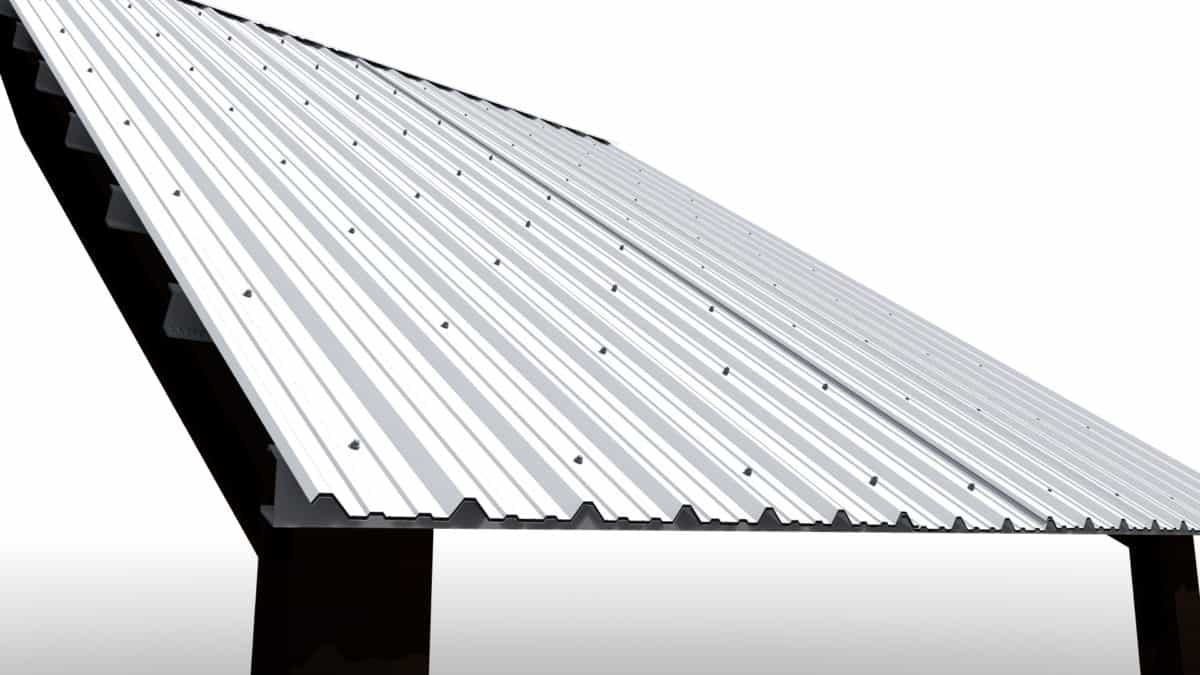
    Screw-down metal roofing is a metal roof held together with screws that hold the roof in place. Screw-down metal roofs use many individual metal screws to secure rigid metal roof panels to a structure. It is the most basic metal roofing system. You can find screw-down metal roofs usually installed in garages, barns, and commercial buildings. 

    The installation process is quick and easy, not requiring any specialized contractors. Installation only requires a simple fastened to the frame with screws. Because it’s so basic and easy to install, it is one of the cheapest metal roofing options out there. 

    Standing Seam Metal Roofing

     class=

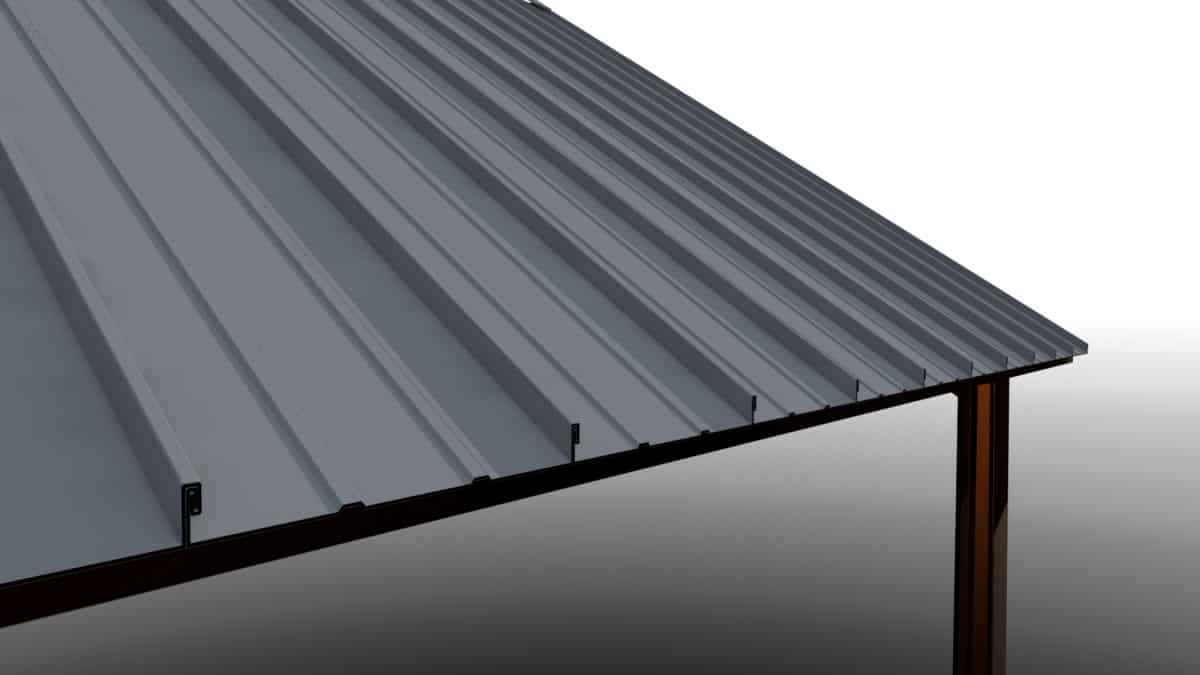
    Standing seam metal roofs are not fastened by screws, but rather, are interlocked, or hooked, onto one another with each panel. The standing seams are between 12 to 24 inches wide depending on the panel type and the type of aesthetic you prefer.

    Fastening is achieved through a 1-inch bend that allows for interlocking. This fastening allows the standing seam metal roofing to move, expand, and contract without breaking tight seals. The fastening on the metal panel system is hidden below the surface of the panel by using a clip or nail flange system. A hidden system is a big plus eliminating the faulty or improperly fastened exposed systems.

    Let’s compare the two!

    Common Usage 

    Both roof systems have their place in building construction. 

    Standing Seam Metal Roofs are usually installed in spaces that will have a vast temperature change. These roofs are also used for their aesthetic appeal. The screws on the standing seam metal roof are hidden between overlapping seams, making them more aesthetically pleasing. 

    Screw-Down Metal Roofs have great appeal in price and are used in garages, porches/patio covers, barns, sheds, carports, etc. These roofs can be installed anywhere.

    Durability & Maintenance

    Standing Seam Metal Roofs usually last between 30 and 50 years with very minimal to no maintenance, if installed correctly. You will experience fewer leaks and issues with a standing seam roof thanks to its thermal responsiveness. 

     class=

    Standing seam panels provide superior wind and weather protection. If you are in an area that is particularly windy or prone to hurricanes and tornadoes, you will feel safe knowing that these roofs have great wind uplift performance. 

    Wind uplift is the suction created by wind forces as the air moves parallel to the roof’s surface. In extreme wind events such as hurricanes and tornadoes, uplift can pull panels and shingles off buildings.

     class=

    Screw-Down Panels require maintenance around every five to ten years to avoid these issues and other issues:

    • Weathering and corrosion affect exposed screws
    • Fasteners backing out over time as the metal expands and contracts with changing temperatures
    • Poor expansion and contraction properties adding pressure leading to the holes in the washers getting wallowed out by the screws 

    If there is no maintenance done on these roofs it can lead to leaks or a storm tearing the roof off.

    Expansion Properties

    When deciding to go with a metal roof, you must be aware that metal expands and contracts whenever there is a temperature change. This is known as thermal expansion. When exposed to hotter temperatures, your metal roof will expand, when exposed to a cooler change in temperature, your metal roof will contract. 

    This isn’t an issue if you install the correct roof for your building.

    Standing Seam Metal Roofs are a lot more thermally responsive, having no issues expanding and contracting with a temperature change. Like we mentioned before, fastening is achieved through a 1-inch bend that allows for interlocking. This fastening allows the standing seam metal roofing to move, expand, and contract while the clips stay fastened. The panel glides back and forth and there are no breaking tights seals or potential leaks.

    This is why we recommend using standing seam metal roofs in overheated areas such as living spaces since these roofs can handle vast temperature changes without any issues!

    Screw Down Metal Roofs rely on hundreds of screws to be installed and maintained properly. This screw-down method is NOT ideal for vast temperature changes since it restricts the metal from expanding and contracting naturally. These roofs are constricted, putting pressure on the screws causing them to potentially break off if they aren’t replaced and maintained every 5 to 10 years. When replacing these screws, you must make sure to replace them to the next size up to prevent them from breaking off in the future.

    With this in mind, we recommend customers using standing seam panels on their homes. Screw-down roofs can lead to some maintenance in the future and will increase the chances of leaks.

     class=
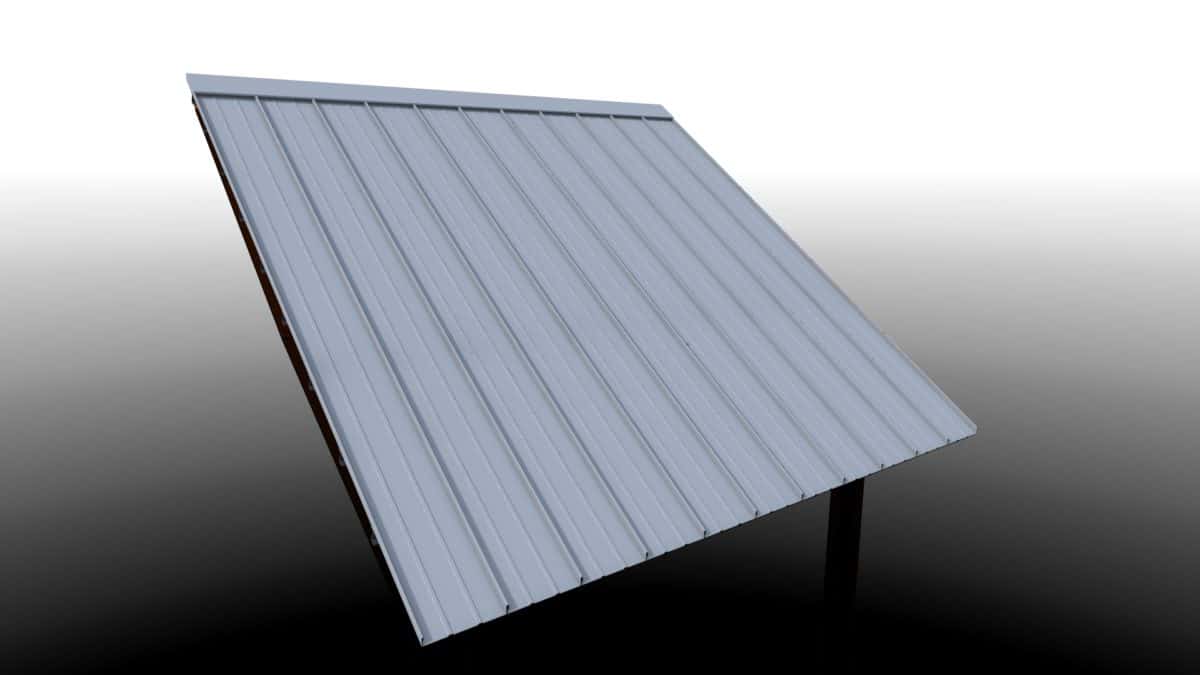
    Here: the screw-down is on the left and the standing seam is on the right.

    Cost

    Cost is always a factor that needs consideration when installing a new roof. With any roofing system, you will want to consider both upfront costs such as initial installation costs as well as maintenance and repair costs. 

    Standing Seam Metal Roofs will cost twice as much if not more than a screw-down panel roof. Standing seam metal roofs require a thicker gauge of metal as well as a specialized craftsman for proper installation. Both material and labor costs are on the steeper side. 

    Like we said before, standing seam metal roofs require little to no maintenance. If installed correctly, it could save you significantly more down the road.

    Screw Down Metal Roofs are pretty much the most basic roof you can install, making them the cheapest metal roofing option you will find in the market. These roofs are pretty quick and easy to install and don’t require a skilled craftsman. 

    While you might save money on screw-down metal roofs initially, the long-term maintenance cost is significantly higher than standing seam metal roofs. If you do, you will incur significantly more cost down the road. This will include some maintenance and repairs on leaks.

    Knowing what roofing system fits your needs will save you significant headaches down the road. We hope this article helps you select the roof that applies best to your application.

     class=
  • Which Roof is Better? 20+ Epic Pros & Cons for Asphalt Vs. Metal Roofs

    So you are thinking of installing a new roof on your home or commercial property? Good news, thanks to construction advancements, you can choose from a multitude of roofing options. It may feel overwhelming when deciding what option best suits your needs and requirements. This decision can have significant consequences on maintenance, RIO, and overall building health.  

    To help you out, we break down several important criteria one should consider for roof installation. We will compare metal roofs and another popular roofing option- asphalt.

    Let’s compare these two roof types by 6 criteria when considering installing a new roof:

    • Variety & Appearance
    • Longevity & Maintenance
    • Durability & Resistance to Elements
    • Energy Efficiency Sustainability
    • Material and Labor Cost 
    • ROI

    Before we start comparing these two roof types, let’s look at the material and variety within each category. 

    Let’s start by breaking down the 4 popular types of metal roofs; steel, aluminum, zinc, and copper roofs.

    Copper Roofs

    Pros

    • They have been used for centuries and can last forever in some environments.
    • Copper has an incredible lifespan of 60 to 100 years with little to no maintenance.
    • It is very eco-friendly, 100% recyclable, and energy-efficient.

    Cons

    • Copper is super soft, which can be an issue in regions that are prone to hail.
    • Price-wise, copper roofs are the most expensive of metal roofs.
    • Cooper tends to expand and contract with extreme temperature changes. 

    Aluminum Roofs 

    Pros

    • Aluminum roofs are long-lasting and ideal for seaside/coastal buildings because aluminum is the most resistant to corrosion caused by sea salt.
    • Aluminum is pretty reactive, which is a good thing. It reacts to the atmosphere around it. Aluminum creates an outer layer of aluminum oxide that seals and protects the inner layer of metal from corrosion.

    Cons

    • Pricing is on the steeper side compared to steel.
    • Aluminum panels are made thin due to the metal’s strength. This can be a negative if living in a high-wind area.

    Zinc Roofs 

    Pros

    • Zinc roofs are easily manipulated, providing you with varying shapes and designs for your roof.
    • Zinc is very low maintenance. It can repair itself, which saves you money on roof repairs and maintenance.
    • It is corrosion-resistant, even when it’s exposed to rust.
    • Zinc is highly recyclable and eco-friendly. It is considered the most eco-friendly option for roofs because of its low melting point, which takes less energy to produce.

    Cons

    • Aesthetically, zinc tends to chalk.

    Steel Roofs 

     class=

    Steel roofs and steel, in general, are the most common material used in the construction of both commercial and residential buildings. Steel is an alloy, which means it’s made from iron and other elements.

    Pros

    • Steel is one of the hardest substances, making it extremely durable.
    • Steel roofs are the most recommended roofing material in hail-prone areas because of their impact resistance. As well as in hurricane zones due to their wind resistance and in areas subject to forest fires because of their fire resistance. 
    • Steel is the most recycled material on the planet. You can recycle steel as many times without damaging the quality.
    • It is highly available and affordable. 

    Cons

    • Steel’s main weakness is rust, but advancements in seals and paints have solved this weakness. 

    There are three main types of steel used in construction:

    1. Galvanized steel is the most common type of steel roof. It uses a layer of zinc to protect the inner layer of steel from corrosion, extending the life of steel roofs and slowing down the corrosion process. 
    2. Galvalume steel uses both aluminum and zinc for protection from corrosion providing better surface protection because of aluminum’s corrosion quality. However, this roof type tends to scratch easier than galvanized.
    3. Weathering steel is not usually used in roofs, instead, it is used in heavy construction such as bridges.

    Material in Asphalt

     class=

    Asphalt shingles used in roofs are not 100% asphalt. Instead, they usually have a fiberglass or paper base that is protected by a layer of asphalt. Three-tab asphalt shingles and architectural roofing shingles are the most widely available asphalt roofing shingles.

    • Three-tab asphalt shingles are the most common type of asphalt roofing you will see. They are distinguished by cutouts made along the bottom edge. It looks as though each roof shingle is three separate pieces when installed. 
    • Architectural roofing shingles have no cutouts but have the lower portion laminated with an additional asphalt layer to create a more dimensional appearance. Asphalt sealant also bonds the layers, and aids in improving waterproof abilities.

    Now that we’ve covered the basics, let’s dive into comparing these two popular roofing options!

    Variety & Appearance

    As roofing technology progresses, both metal and asphalt roofing options are increasing in variety and appearance.

    Metal roofs have an ever-abundant amount of options available. You can choose from a variety of metals as well as colors and designs. For example, you can now get metal tiles, shingles, panels, and ribbed. You can even have a metal roof that replicates the look of wood!  It used to be that appearance-wise metal used to be deemed as too agricultural. This notion is quickly changing.

    Asphalt roofs are also known for having a lot of aesthetic options. Appearance-wise, asphalt has always provided vast diversity in color and style. 

    Installation & Maintenance

    The installation process for metal roofs is more technical than that of asphalt roofs. Unless you are an expert with assistance, we recommend you hire a specialized crew. Installing a metal roof needs more precision to ensure that your roof is durable and properly in place, which will allow it to last its intended lifetime. In some instances, you can install metal panels over an existing roof. This simplifies the installation process and price. 

    When it comes to maintenance, metal roofs are harder to replace individually. Luckily, metal roofs usually never require maintenance. To avoid maintenance, make sure you choose the most suitable metal for your environment. 

    Asphalt roofs are fairly simple to install, requiring less time and less expertise. When in need of repairs and maintenance, asphalt roofs are also a piece of cake. Some homeowners even take on that endeavor themselves. 

    Durability & Longevity

     class=

    When it comes to durability and lifespan, metal roofs easily supersede asphalt roofs. Metal roofs are known for being extremely durable, lightweight, and water-resistant. They can pretty much handle any unpleasant environment. That’s why they typically come with a 40 to 75-year warranty! 

    Metal roofs do have their kryptonite. Denting is a possibility with extreme hail or an extremely heavy branch falling. But this also depends on the metal type. So if you live in a location vulnerable to hail, you would be better off going with steel, a harder metal, instead of copper or zinc. 

    Asphalt has many types of ‘kryptonite,’ causing it to score very low in durability and lifespan:

    • Asphalt shingles tend to grow algae, moss, mold, and other fungi in more moist environments.
    • Severe weather can remove the granules that protect the asphalt shingles weakening the roof.
    • Too much sunlight can cause shingles to break down leading to curling causing water infiltration.
    • Asphalt is more prone to cracking and breaking. If this is not repaired, it will cause leaking and damage your home.

    Based on this list, we are not surprised asphalt roofs have a pretty short lifespan lasting 15 to 20 years or less. So if you are planning to live in your building for more than 12 years, you might be paying for multiple asphalt roof installations.

    Sustainability & Energy Efficiency

    Metal also rules when it comes to sustainability and energy efficiency. Most metal roofs can be recycled numerous times without damage to quality. Steel roofs are the most sustainable of metal roofs. When recycled, steel saves around 75% of the energy that would be used in making the material. Recycling also avoids waste and emissions from material extraction from the earth. 

    Metal roofs also have great energy-efficient properties saving the earth and saving you money! Metal roofs’ reflective quality helps block heat and keep your building cool. You can also add a layer of paint to improve this heat-blocking property. In places where it gets cold, steel’s strength allows for thick layers of insulation to keep the building warm and your energy bill down. Overall, structures with metal roofs can an average of 30% off their energy bills! 

    We all know how the extraction and reliance on fossil fuels are damaging our planet. Well, we hate to break it to you, but asphalt is a petroleum-based product making you even more reliable on fossil fuels. To add to that, because of asphalt shingles’ short lifespan and the fact that they are not recyclable, nearly 20 billion pounds of old asphalt shingles end up in landfills. Therefore, more fossil fuel is required to produce them.

    When it comes to energy efficiency, asphalt can save you money on your electricity bill if you live in a colder climate. Unfortunately,  asphalt will increase your bill in the summer since it absorbs a lot of heat, making it an energy guzzler trying to keep your building cool.

    Material and Labor Cost 

    Like we’ve mentioned before, there is a wide range of metal roofs leading to a wide range of pricing. On average, metal roofing will cost you between $6.75 to $14 per square foot, including installation.

    Asphalt shingles will end up costing you around $1.50 to $5.50 per square foot.

    Metal roofs are on the pricier side of roofing options than asphalt roofs, but you tend to recoup a lot of the cost down the road. Metal roofs last longer and rarely need replacing. Insurance companies also provide metal roof owners with discounts on property insurance. Not to mention all the energy bill savings that come with owning a metal roof.

    ROI

     class=

    When it comes to return-on-investment, metal roofs hands down supersede asphalt roofs. Across the country, homeowners who invest in metal roofing can get an average ROI of 85.9%.

    Metal roofs can also lower your insurance rates because of their durability and fire resistance properties in states that are prone to wildfires.

    Asphalt shingle roofs may have to be replaced two or three times during the years you occupy the building. These roofs deteriorate relatively quickly and provide no real return on investment (ROI).

    Installing a new roof is a venture most property owners and homeowners will encounter. Here at MBMI, we strive for quality and we strive to provide our customers with quality knowledge regarding what their best options are for construction projects.  

  • The 16 Hard Truths About Pole Barns Vs. I-Beam Structures

    In between investing in a steel barn or pole barn on your property? Not sure which one to choose? Sure, both buildings have their advantages and disadvantages and they relatively look the same aesthetically but there are some major fundamental differences between these two barn types.

    What is a pole barn?

     class=

    Let’s begin by looking at the pole barns construction method.

    Pole barns are erected by wooden poles that are buried in the ground. These buildings use columns for the roof. Pole barn walls are usually made of tin or wood that are screwed or nailed onto the wooden poles. 

    Pole barns’ poles are buried into the ground. Henceforth, they are susceptible to the unstable nature of the ground in which they are buried into causing them to shift and sink over time.

    This puts more pressure on the building and the building owner, aka you, requiring much more maintenance, repairs, and overall upkeep.

    As the foundation poles shift, a pole barn may have to be straightened every five years, essentially costing you several thousand dollars every 5 years!

    Disadvantages

    The many disadvantages of pole barns will likely steer you away from investing in these buildings.

    Technicality

    Pole barns are NOT considered a permanent structure.

    Instead, they are considered an accessory structure, or a structure that has minimum value and utility. This technical definition has many consequences regarding mortgage loans and permitting. Obtaining a mortgage can be extremely difficult and truth be told you most likely will not qualify for a loan.

    In regards to permitting, you may run into a lot of trouble trying to obtain a permit for your pole barn especially if you are looking to use it residentially. In some counties, pole barns are not allowed as residential buildings. 

    Safety 

    Here’s the thing, wood burns…

    Hence, pole barns are pretty susceptible to fire damage. According to the National Fire Protection Association, from 2006 to 2010, there were 830 structure fires in farming buildings reported to U.S. fire departments per year, averaging in property damage cost of around $30 million.

    Another not-so-fun fact: the great Chicago fire of 1871 started in a wood-framed barn and the massive damages convinced Chicago to try and end the construction of wooden buildings.

    Consequently, these dangers that come with owning a pole barn will directly contribute to paying higher insurance.

    Durability 

    Not only will the poles buried in the ground shift and move with the natural tendency of the ground’s movement, but they will also decay.

    Like we said before, a pole barn is not considered a permanent structure. Usually, pole barns can last up max up to 50 years, with a lot of upkeep.

    Listed below are potential damages that can come with owning a pole barn.

     class=
    • If not treated properly, wood will rot and deteriorate over time
    • Unless you use a lot of pesticides, wood is not termite resistance 
    • Wood is susceptible to mold and other fungi such as dry and wet rot
    • Pole barns are more likely to be damaged by lightning 
    • Pole barns are usually not recommended for livestock because there is a risk of poisonous and unsanitary conditions due to the style of construction
    • Pole barns perform horribly with heavy snow load 
    • Pole barns are not suitable for locations with intense winds 

    Advantages of Pole barn

    Short term use 

    If you are looking for a quick makeshift barn that is intended for short-time use pole barns might be a great option.

    Another advantage of pole barns is their low cost. Unlike most forms of construction, pole barns do not require a level ground saving you money.

    While these wood structures are initially less expensive than a metal barn their overall cost is more expensive when you factor in pole barn maintenance and lifespan. 

    Pole barn interiors are easier to construct since you can apply drywall directly to the wood supports.

    Meanwhile, I-beam steel buildings require you to attach a hat channel to the steel supports before drywall can be attached. 

    Why go with an I-beam Steel Building?

     class=

    One of the most popular forms of building construction is the I-Beam, named for its horizontal cross-section that looks like an upper-case “I”.

    The steel mainframe acts as the support for the building. The steel columns are anchored into a concrete foundation. This foundation makes the building more durable, strong, and easier to maintain. Making these buildings more equipped in handling extreme environmental strains as well as structural strains.

    These buildings are also very easy to customize to your needs and have a quick manufacturing turnaround time. Especially if you go with MBMI where we do not outsource our engineering, designing, or drafting services.

    Durability

    I-beams are also extremely weather-resistant, to both extreme weather and mild weather-related damage.

    Given the high-quality materials and building techniques, damages caused by earthquakes, storms, or heavy rains are minimal compared to the pole barns. Not to mention these buildings are also fire resistant.

    This gives you substantial insurance savings since many insurance companies provide discounts for steel buildings. 

    Another great advantage is saying goodbye to mold and other microbial infections. Those harmful organisms cannot live on steel surfaces.

    Termites are another devastating pest that steel buildings are not affected by, saving you money on termite pesticides and repairs.

     class=

    Low Maintenance

    Another I-beam benefit is their low maintenance.

    Since they are on top of a durable concrete foundation they do not demand the frequent foundation maintenance needed by pole barns. The hygienic metal used in these buildings also provides you with almost no upkeep.

    If you decide to go with MBMI, we provide you with a 40-year warranty on the color steel panels, and a lifetime warranty on the components and fasteners that are guaranteed not to rust. 

    Green

    I-beam buildings are usually made out of steel, sometimes other metals which are most likely recycled. MBMI buildings are designed to be Green using up to 60% recycled steel and 100% recyclable meeting the environmental demands and pressures.