Author: Attila

  • You Will Thank Us When We Save You From Harmful Termites- 10 Reasons Steel Saves You From Termites

    Metal building’s durability can protect you from dealing with the consequences of many destructive natural elements such as fires, hurricanes, and more. Surprisingly, the most devastating destroyers to a building are known as silent killers, termites, and dry rot, that slowly eat away at your structural foundation,  thankfully metal buildings also protect against these destructors!

    No termite meal with steel

    One of the many benefits of deciding to go with a steel building is never having to worry about destructive tiny wood-eating creatures, aka termites. Let’s put it into perspective on how much damage these pesky creatures cause in just one year:

    • Termites destroy around 600,000 residential homes in the U.S. each year 
    • Homeowners and landlords spend around $5 billion annually to control termites and repair termite damage.
    • Formosan termites alone account for at least $1 billion in repairs and prevention each year.
    • A typical dry-wood termite colony consumes one pound of wood per year and often travels more than 12 inches a year

    It may be shocking for you to hear that termites cause more damage than fire, floods, and storms combined. To make it worse, insurance companies rarely cover termite damage or maintenance. They claim that termite infestations can be prevented with routine home maintenance and it is the responsibility of the building owners to be proactive when it comes to termite prevention, leaving people with few options in securing a building or home against potential termite damage. 

    We also need to consider the toxic chemicals in termite treatment. 

     class=

    For example, chlordane, a termite pesticide used until the ’80s, was so toxic and deadly that it was considered a larger threat than the wood-eating insects. Financially, termite prevention treatment can cost $1,000 or more depending on the size of the building. Not to mention tent treatment, which ranges from $2,000 or more!  

    There are many drawbacks to these chemicals besides cost and health. 

    • Chemical pesticides are not bulletproof for termites. It is difficult to perfectly spray every patch of ground. The hungry determined termite can find a gap in the chemical barrier and find a way to enter the building
    • If termites are already in the building, spraying around the house will only trap them inside to demolish your home
    • Sometimes chemical treatments lack efficiency depending on the soil it is sprayed on

    Metal vs Termite Luckily, there is a termite-proof solution to protecting your property from building damage. Metal! 

    Choosing to go with a metal building is smart for many reasons. Metal buildings provide a durable termite-resistant building that does not need any chemical termite treatments.

    Don’t just take our word for it…

    The International Residential Codeword, which establishes public safety and health provisions for residential building protocols, listing structural steel and cold-formed steel as 2 of 6 options for termite protection. 

    So now that you’ve decided on constructing a metal building or at least using metal for building frames. How do you ensure these pesky creatures never step foot inside your building?

    Structural and Cold-Formed Steel 
     class=

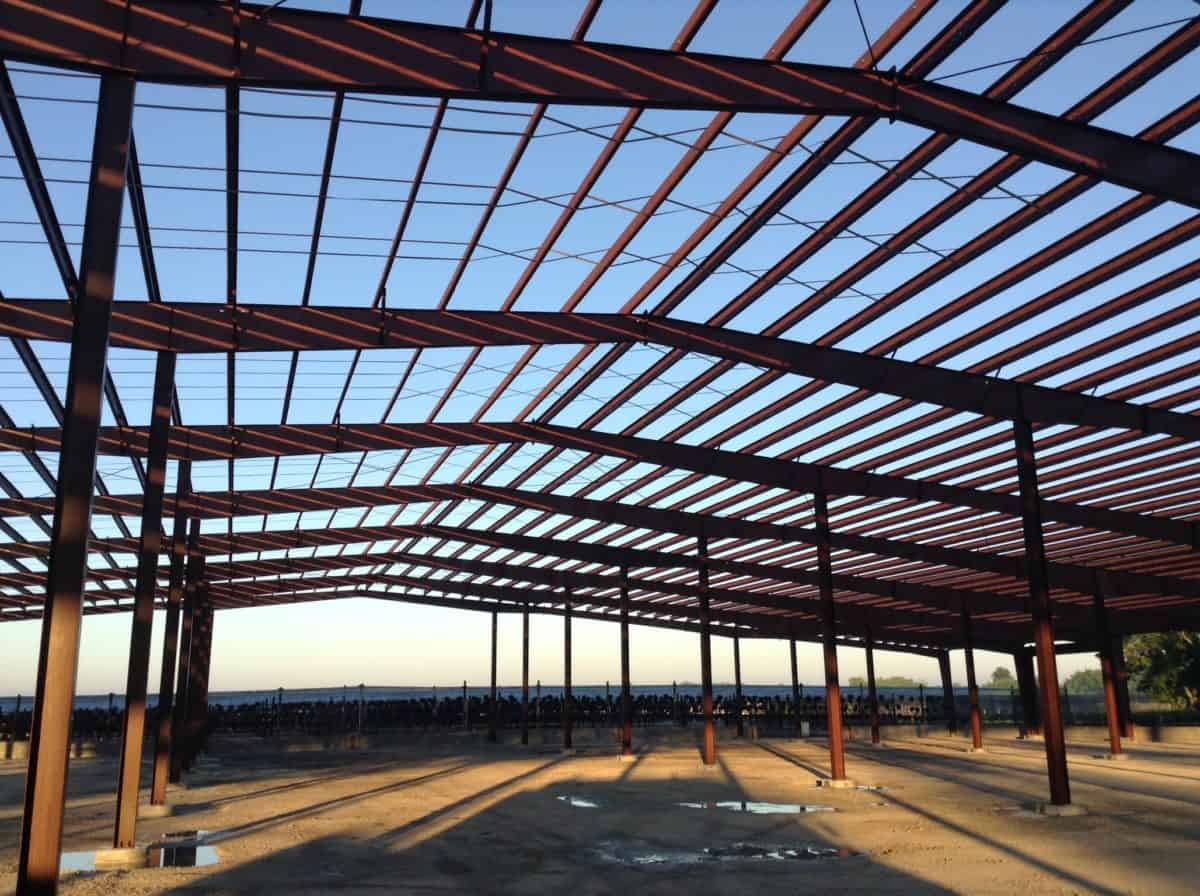
    For those who don’t want to commit to a full metal building, structural steel and cold-formed steel frames are your next best bet. Both forms of steel comply with the termite-resistant construction requirements of the International Residential Code. They are inorganic, meaning termites have no appetite for them. Thankfully, there is no need for any type of post-construction termite treatment or management ridding building occupants, the planet, and your wallet from these toxic chemicals.

    Let’s do a quick rundown on the difference between structural steel and cold-formed steel.

    • Structural Steel – Structural steel is hot rolled, and once hardened it becomes incredibly strong.  Its strength and flexibility allow it to withstand high winds, fires, and other elemental pressures better than Cold-Formed Steel.
    • Cold-Formed Steel– Cold-Formed Steel is cold-formed, which creates long, thin sheets that are then shaped into guided C or Z like patterns capable of holding heavy loads but are not as strong and durable as structural steel. It’s lighter weight does make it appealing for smaller construction projects. Cold-Formed Steel has one main disadvantage, fire, where it loses stability and has the potential to collapse.

    Beware of Unseen Organic Material

     class=

    Like we mentioned termites love wood but will eat almost any material with cellulose (organic material). To prevent this from happening you must be cognizant of what organic materials are being used throughout your metal building’s interior. 

    Here is a list of  material that is appetizing for termites:

    • Paper
    • Cellulose foam
    • Leather
    • Other organic material 

    We also recommend having a professional remove scrap of wood, any plant debris, or other organic matter from under the building.

    Location, location, location.

    Building location needs to be considered for many reasons such as construction drainage, sinkholes, mudslides, and termite prevention. 

    In regards to termites, a weak foundation can cause cracks and other weaknesses in your building that would allow these relentless pests from entering your building. 

    To avoid an unstable foundation, construct your building in a location that is slightly elevated and where the soil can drain well. 

    Metal vs Dry Rotting
     class=

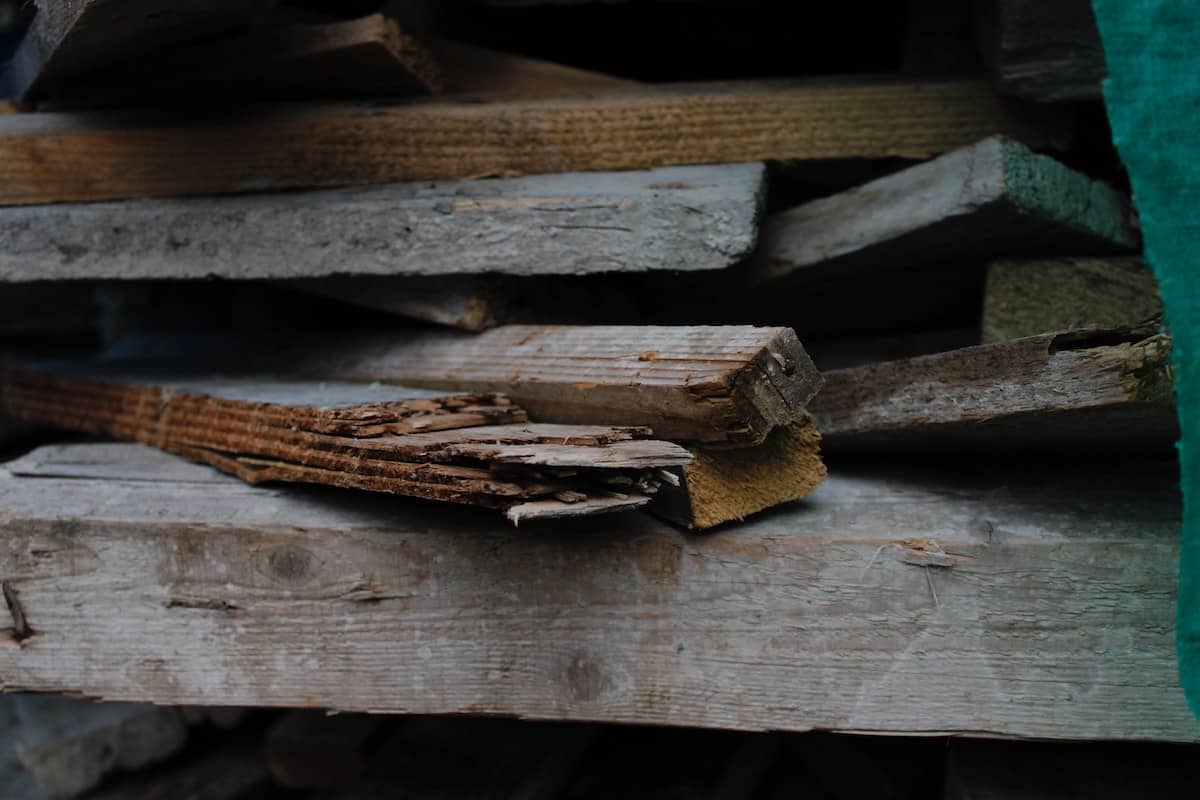
    Termites aren’t the only “silent killers” you’re avoiding when deciding to go with a metal building. You are also saving you and your building from dry rot. Dry rot can occur anywhere that has moderate to high humidity. Unfortunately, moisture content can be as low as 20 percent for dry rot to damage your building.

    What is Dry Rot?

    Dry rot, also known as brown rot, is the most damaging wood-destroying fungus. 

    Wet rot, dry rots fungal cousin, is a more popular form of fungal decay that isn’t as serious since it can easily be detained. On the other hand, dry rot targets timber but can travel through many building materials other than timber (brick and plaster), giving rise to massive outbreaks and the potential to spread quickly throughout a building.

    Dry rot is extremely hard to stop and is usually undetected until there is a big structural issue. 

    Unless you catch it immediately and have a professional come to treat it…

    Your building is susceptible to tremendous disaster from structural weakness to eventually building collapse. 

    The excess buildup of moisture in these buildings also causes health issues including respiratory problems. Prevention includes being proactive, avoiding any water buildup as well as chemical treatment on wood. Similar to termite pesticides the chemicals used in prevention are detrimental to an individual’s health.

    Thankfully, metal buildings provide a solution to avoiding this disastrous consequence of wood-eating fungi. Steel is durable and reliable ensuring the highest-quality buildings.

    To finish off let’s talk about Hawaii deals with its termite situation.

     class=

    One of the most destructive termites, the Formosan termite, originally from China, was once solely a resident of the Hawaiin island but through commerce and transportation, the Formosan termite has made its way to the mainland. 

    It has now managed to wreak havoc in more than 14 states around the south and the gulf coast of the United States and is quickly spreading to more parts of the US. It is stated that Hawaii spends around $100 million annually on Formosan termites destruction alone.

    Residents and businesses of Hawaii were finally fed up with dealing with Formosan termites and now they fully embrace steel framing. 

    Today, almost all new commercial construction in Hawaii uses steel frames saving them millions of dollars in pest control. 

    So let’s follow Hawaii and avoid all these headaches altogether by building with metal, no termites no dry rot. 
  • Truth Behind Why Metal Warehouses Store Most of the World’s Masterpieces

    It may come as a surprise that many of your favorite artist’s pieces are probably being stored away in art metal warehouses, even works of art that are considered masterpieces. 

    There are two main reasons for this massive art storage phenomenon: 

    1. Art museums storing pieces for preservation 
    2. And the rich storing pieces for pure investment reasons.

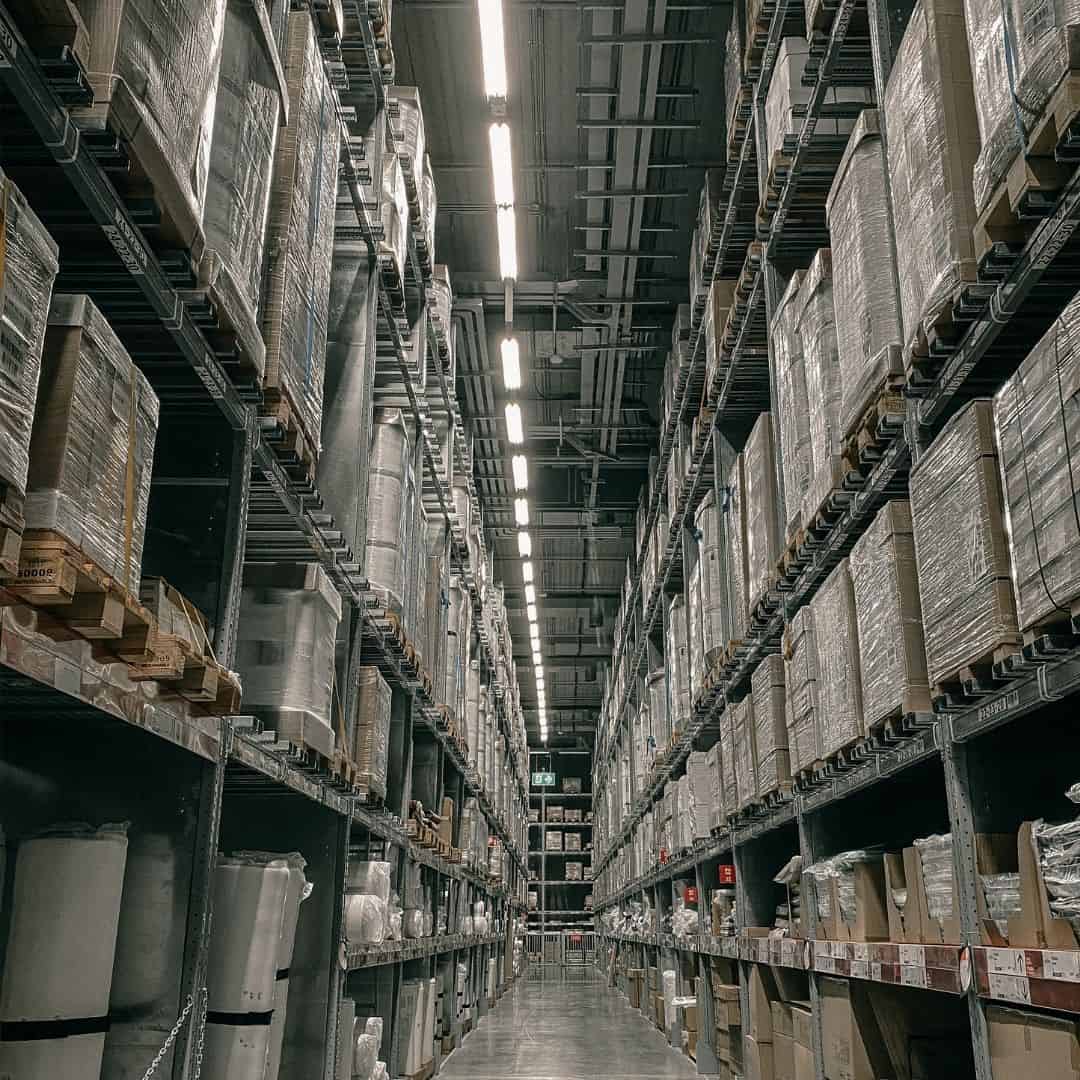
    There is a lot that goes into the preservation and storage of these magnificent artworks from the warehouse in which the art is stored (usually a metal warehouse), the cold storage and humidity control technology, and top of the line security.  

    First, let’s look at how we got to so much of our favorite art pieces being tucked away in metal warehouses.

    Public Galleries StockPile of Art

    When thinking of non-profit art museums the MET, MoMA, or the Louvre may come to mind, each one uniquely curated with the most renowned breathtaking art exhibits for the public’s enjoyment. Surprisingly, the public is only seeing a small fraction of the pieces owned by these art museums. It is estimated that only 5% of the art owned by art museums is ever seen by the public eye. The rest are tucked away in metal warehouses!

    The main reason for this massive art museum storage is that these non-profit art museums are prohibited from selling any of the pieces they own. Many artists and art collectors are drawn to donating their artwork to these art museums because they have these no resale policies.

    Like we said before only a select few works of art are rotated depending on the museum’s current art exhibits. Unfortunately, this leaves most artworks tucked away in massive storage warehouses, never to be seen by the public eye. 

    Listed below is a breakdown of the main reasons for art museum storage:

    • For studying and research purposes done by museum workers as well as collaborating universities
    • Strict preservation needs such as sensitivity to light particles 
    • These art museums have nowhere to display all these artworks (main reason)

    Who is mainly to blame for this intense hoarding? Well, we can look to conservatives within the art industry who believe a museum’s main duty is to preserve the artwork they own. 

    However, progressive ideas are shaking this standard. Stating that the non-profit museum’s main purpose should be to serve the public. Hence, they should be displaying more artwork and selling or renting their pieces in warehouse storage to other smaller museums. This would allow the smaller museums to display these tucked away pieces of art and the “seller/renter” museum to have the financial ability to provide free access to the public.

    The massive industry of Metal Warehouse Free Ports 

    We can’t just blame art museums for so much of the world’s art being stored away in these metal warehouses. We also need to consider the explosion of the global art market during the last couple of decades. Again, these artworks are not up for display in extravagant homes but stored securely inside boxes within a massive metal warehouse as they increase in value. Since these masterpieces are mainly seen as capital assets for many of the owners the main incentive is to make sure they are perfectly preserved when sold.

    These massive metal warehouses are known as free ports, they located are worldwide, the biggest ones are estimated to store up to billions of dollars in art. Free ports are legally defined as free trading zones, where the art that is there has not technically entered the US. Free ports are technically offshore, not residing in any country at all, allowing these art buyers and sellers to delay taxation (import and export taxes do not apply).

    Metal Warehouses store most of the worlds art.

    Warehouses & Preservation Technology

    These valuable art pieces (paintings, leather artwork, photographs, wooden pieces) require specific storing requirements within these metal warehouses due to their sensitivity to the environment. They are susceptible to being damaged or destroyed if stored for extended periods of time in places without temperature and humidity control. 

    Ways Art Can Deteriorate:

    • Wood tends to crack if there are wide temperature fluctuations
    • Fabric such as art canvases can become stiff and tear and are also sensitive to mold if the humidity is too high
    • Photography needs protection from light or else it will fade 
    • When paintings accumulate dust the image gets obscured

    Art Preservation Through Cold Storage & Humidity Controllers

    Cold storage is the storage of any temperature-controlled product that reduces the risk of damage to the product, extends its shelf life, and keeps the product in line with regulations.

    In this instance, cold storage technology is to keep the warehouse’s temperature at a cooler range (68-72 degrees Fahrenheit) to protect the art from any heat damage. These warehouses also come installed with 24/7 temperature scans to make sure they adhere to the stringent temperature requirements. On top of that, the air-conditioning system is also designed to filter the air multiple times a day.

    Humidity controllers are also used throughout the whole steel warehouse to keep humidity between 50 – 55 percent. Most warehouses use an eco-friendly way of controlling humidity, called “atomization”, also known as reverse osmosis. Atomizers use a fine-spray nozzle to “atomize” the regular tap water (which is dechlorinated and softened). As the atomized water passes the chamber heater, it becomes heated to a gas.

     class=

    Warehouse & Weather Element Protection 

    Storm Surge Protection is also needed depending on the location of the warehouse. To protect from any potential water damage these warehouses come equipped with protective panels. The walls are built with insulated metal panels on both the inner and outer walls, protecting the warehouse from any hazardous weather elements.

    Generators are always incorporated into the warehouse design. In case of any potential power outages, these warehouses have multiple generator backups. These generators also run on natural gas to make sure no disaster will stop the warehouse from running properly.

    As you can see from above these warehouse designs have covered every aspect of protecting these works of art. These warehouses even have completely enclosed loading docks. So there is no potential weather damage when moving any of the art.

    Warehouse Security

    It doesn’t come as a surprise that these warehouses have some of the most intense security. In some art storage warehouses, people who wish to enter the warehouse require a retina scan as well as other forms of identification. The metal warehouses are being guarded  24/7 by trained security guards and have the most advanced security technology including: 

    • 24/7 hour alarm system 
    • Video Surveillance
    • Smoke detection
    • Fire suppression systems 
    • Motion sensors

    These art storage warehouses truly have been transformed into “bulletproof“ forts.

    So what else happens in these warehouses?

    A lot happens within these metal buildings, there are professionals conducting art preservation, art collectors and owners showcasing their art collections to prospective buyers, and all-around warehouse management. 

    To accommodate for these varying needs multiple private rooms, as well as larger showrooms, are built into the bottom floor of these warehouses to conduct art trade and preservation. 

    There truly is no limit to warehouse utility

    We love learning at MBMI, especially about the wide range of industries that use metal warehouses. Who knew that your favorite Picasso is probably safely tucked away in a steel building.

  • 19 Creative & Affordable Ways to Decorate Your Barndominium Steel Home This Holiday Season

    It’s finally the holiday season and there’s no better way to kick it off than by decorating your homes with lights, wreaths, and creative displays. In this article, we will be specifically focusing on creating a festive atmosphere in barndominiums. 

    What is a Barndominium? 

    Barndominiums in most basic terms is a metal building that has inside living space. Typically, Barndominium design will have a rustic aesthetic, creating the feel of a repurposed barn. Many are designed with a gambrel roof and an open concept floor plan. The most common use for barndominiums are homes but they also have many functions from being used as a shop, meeting center, church, and more. 

    Barndominiums or metal homes have many practical benefits,  gaining them much popularity for new homeowners. 

    • Metal homes allow great versatility and are easy to expand 
    • Barndominium construction is easy and affordable 
    • Steel homes are low maintenance
    • Metal homes are energy-efficient, saving you money and being more environmentally friendly

    Since barndominiums already have a rustic appeal, we want to incorporate decorations that add to that homey rustic aesthetic. So we decided to focus on rustic and Scandinavian holiday aesthetics for this article due to their accessibility and ability to be very affordable.

    The Rustic Christmas Barndominium 

    Adding to your barndominium’s already rustic aesthetic with rustic Christmas decorations will be the perfect way to make your home feel like a cozy Christmas cabin.

    Use Mother Nature

    Mother Nature can create wonderful well-priced decor. 

    • Get crafty and use pine cones as Christmas tree decorations such as hanging tree ornaments or lovely Christmas tree toppers.
     width=
     width=

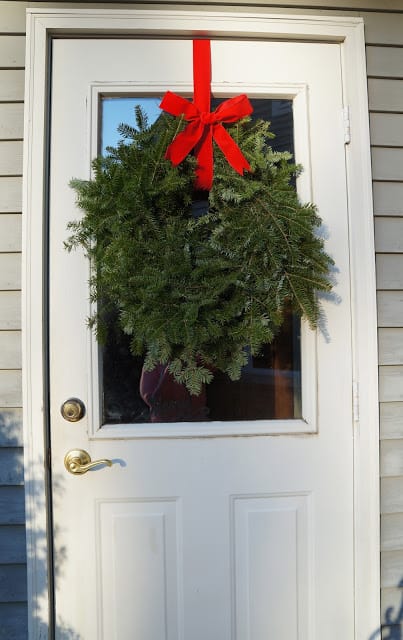
    • Make your home smell amazing by incorporating evergreen at every opportunity this Christmas; from decorating with a wreath on your front door to creating unique staircase decorations.
    • Use Mother Nature’s branches to create some rustic beautiful hanging ornaments for both your Christmas tree as well as your front door.

    Incorporate plaid

    What is more rustic than plaid??? Not only does it create a wonderfully cozy aesthetic, but it also can be incorporated into your year-long home decor. 

    • Consider using thick plaid ribbons to wrap around your Christmas tree as well as your decorative garland.
    • Year-long cozy plaid blankets are also great to have around the living room; making them both decorative and functional. 

    Bringing the holiday spirit to all the rooms in your home is definitely tricky and costly. That is why we love plaid; from plaid pj’s to plaid linens and bedsheets, you can incorporate a cozy rustic holiday aesthetic all year long. 

    Steel Home with Steel Decor

    Steel is all around the outside of a barndominium, why not bring it indoors to enhance that rustic feel!

    • Consider using steel baskets to hold anything from your Christmas tree, your plaid blankets, or firewood. 
    • Be creative with steel, we have seen ideas of steel buckets being hung, used as advent calendars, or as Marquette, steel lettering decorating your Christmas tree.

    The Scandanavian Barndominium

    Scandinavian style is also another great barndominium decor option; bringing together a chic aesthetic while being simple and cozy. The Scandinavian Christmas decor incorporates nude tones, simple textures and materials, geometric design, and lots of natural elements. 

    Keep Christmas decorations simple

    Scandinavian decor focuses on simplicity and minimization. 

    • Even when deciding on a tree, choose a tree that can resemble one that you picked out of your backyard. Small, imperfect, and unique!
    • Avoid over-decorating the tree, lightly decorate the tree with yellow warm lights and delicate ornaments to add some festive cheer without being an overwhelming amount of bright colors.
    • Neutral tones are key to your Christmas decor; nudes, whites, and silvers. But don’t be afraid to throw in some deep greens or reds. 
    • Don’t forget to incorporate what you own as you lightly decorate around it. Minimization is about only owning what you need.

    The more hygge the better

    Hygge is the center of a lot of Scandinavian countries’ living, it is a Danish word meaning “a quality of coziness and comfort that brings an indescribable feeling of contentment or well-being.” So it only makes sense to try and incorporate this feeling into your Scandinavian Christmas decor. 

    • Bundle Up! Bundle your yearlong furniture in layers of soft blankets, fluffy pillows and some faux animal hides to increase that warmth and relaxation into your indoor space.
    • Rugs can be an all year round decor, if you want to incorporate a Scandinavian feel to it, we recommend a faux hide rug, preferably a darker hair-on-hide, that’ll give your space that rustic charm.
    • Candles and warm lights are popular in cold Scandinavian winters. There are so many versatile ways to incorporate lights this season. 
      • You can place candles or lights in a jar and place them around the house
      • Intertwine lights with some pine branches
      • Cluster candles them in a tray to complement your table’s focal point 

    No such thing as too much evergreen

    A Scandinavian aesthetic should feel like a breath of fresh mountain air, adding greenery to the mix of holiday decor is a great way to capture this nature-inspired feeling. 

    • Scandinavians love to hang multiple simple wreaths on their walls, adding fresh hints of Christmas decor all around the house. 
    • Using evergreen or eucalyptus as table runners provide fragrance and freshness to your holiday dining decor. Add pinecones and other natural elements to create a more elaborate runner. You can either do it yourself or buy a premade runner online.
    • Create festive yet simple front door decor by draping fresh cedar garland around your front door and stairs; this beautifully frames your entrance without being too overwhelming.
    • Don’t throw away the leftover or fallen evergreen pieces from your tree or front porch; be resourceful and use them for simple decor.
      • Mix them with white flowers for a Christmas bouquet
      • Incorporate the cuttings into your nativity scene
      • Combine some simple candles and other decor (ornaments or pinecones) and add some greenery to complete the fresh holiday design
      • Use them while wrapping up presents

    What about the Outside of Your Barndominium?

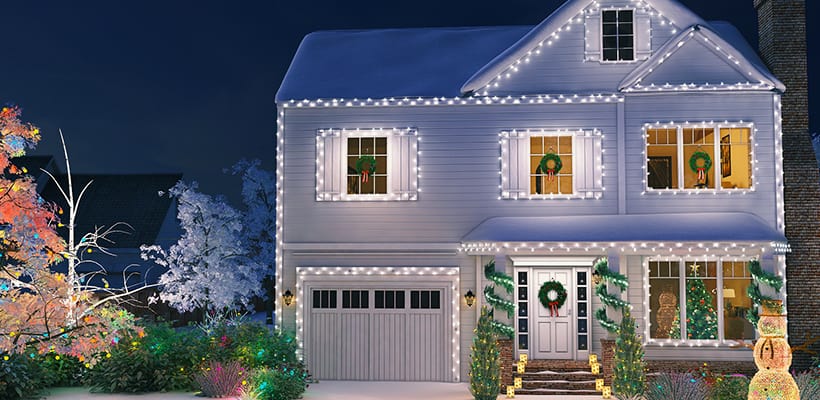
    So now that the inside of your home is embracing the holiday spirit you can tackle the somewhat tedious effort of putting up your outdoor lights. Because it really doesn’t feel like the holidays without hanging up the outdoor Christmas lights. Luckily, your barndominium’s metal roof does make the process a bit less tedious. 

    If you are interested in seeing a step by step guide on how to do so check out MBMI’s previous article 4 Ways To Hang Up Lights On A Metal Roof & Proper Storage and have a holly jolly Christmas from all of us at MBMI!

  • How Metal Storage Plays An Important Roll In Turkeys Every Holiday Season

    Americans consume around 50 million turkeys during Thanksgiving week alone every year. Retailers need to plan up to 6 months in advance to ensure they are stocked with a sufficient amount of turkeys, sufficient storage, workers, and transportation to meet the crazy Thanksgiving meal demands. 

    How do these feathery creatures get from the farm onto the dinner plate?

    Let’s take a  glance at the complex process of getting a delicious turkey onto your thanksgiving dinner plate. Because MBMI is a company centered around metal buildings, we will be specifically looking at the buildings in which these turkeys are raised, stored, and processed from farm to table. 

    Not surprisingly, frozen turkeys take up 90% of Thanksgiving sales due to the fact that these turkeys can be bred, processed, and frozen year-round. Fresh turkeys, on the other hand, require more meticulous planning since they only have 21-days of shelf life. Timing is everything, ensuring that producers can successfully deliver fresh turkeys to retailers just in time for a delicious Thanksgiving meal.

    So where do Metal Buildings fit into the whole Thanksgiving process?

     class=

    The Turkeys Process starts at the Metal Barn  

    Most turkeys in the US are raised inside metal barns for a few interesting reasons:

    • Turkeys need protection from predators
    • Being indoors prevents disease 
    • The need for a temperature-controlled environment

    Metal Barns Temperature Control is critical for Turkeys 

    Turkeys are sensitive to temperature requiring specific temperature needs depending on their age and size. 

    Young turkeys need to be kept warm. To do so, steel barns are equipped with stoves or infrared and gas heaters. Good ventilation is also critical at each turkey’s state of life; to meet this demand steel barns are designed with multiple vents in the walls as well as fans that allow fresh air in. 

    Adult turkeys prefer things a little cooler, so these metal buildings have to be equipped and ready to keep them cool during the hot summer. Some metal barns use a system called tunnel ventilation, where part of the wall on both sides of the front of the barn opens. 

     class=

    Artificial Lighting inside the Metal Barn

    Maintaining an animal’s welfare has become critical within parts of the poultry industry. One successful way welfare has been accomplished is by using artificial lighting to simulate sunrise and sunset. Farmers have seen a significant improvement in bird behavior and stress levels creating tastier more tender meat. 

    Artificial lighting is also used to manipulate mother nature. Farmers install artificial lighting that can increase turkey production and ensure their turkeys are laying eggs year-round instead of just in the springtime.

    Cold Storage is critical for the Frozen Turkey Process

    Like we said before, 90% of turkeys are frozen. While the demand for turkeys peaks 2x a year, there is no issue with supply due to the frozen turkey production. These turkeys need to be stored in below-freezing temperatures in distribution facilities known as cold storage warehouses that use a technique called cold storage.

    What is cold storage?

    Cold storage is the storage of any temperature-controlled product that reduces the risk of damage to the product, extends its shelf life, and keeps the product in line with regulations.

    To maintain high-quality standards, turkey requires immediate cooling, through a process called flash-freezing. Cold air is blasted at the turkeys to quickly freeze them, preventing the formation of ice crystals that can increase perishability and affect the taste and texture of the meat. Temperature controlled warehouses store turkey at – 30 to 0°C, for a number of months. 

    Why are metal buildings the best choice for cold storage warehouses?

    • Metal framing provides the best insulation creating significant energy efficiencies and reducing operating costs.
    • A lot of metal buildings use recycled steel which is both environmentally friendly and cheaper
    • In regards to turkey and other produce, USDA requires strict cleanliness which metal buildings can keep up with. Preventing mold, mildew, and bacteria buildup.
    • Steel buildings provide low maintenance, durability as well as flexibility in expanding.
     class=

    The Last of the Turkey Journey

    Finally, these fresh and frozen turkeys are delivered in temperature controlled trucks to our local grocery stores. Upon arrival, they are ready for families to buy them and cook a delicious Thanksgiving meal.

    Knowing the hard work and complicated planning that goes into getting this delicious meal onto our plates can make us all a lot more thankful on Thanksgiving. 

    Happy Thanksgiving from MBMI!

  • 15 Step-By-Step Guide: How To Install Concrete For Your Metal Building

     srcset=

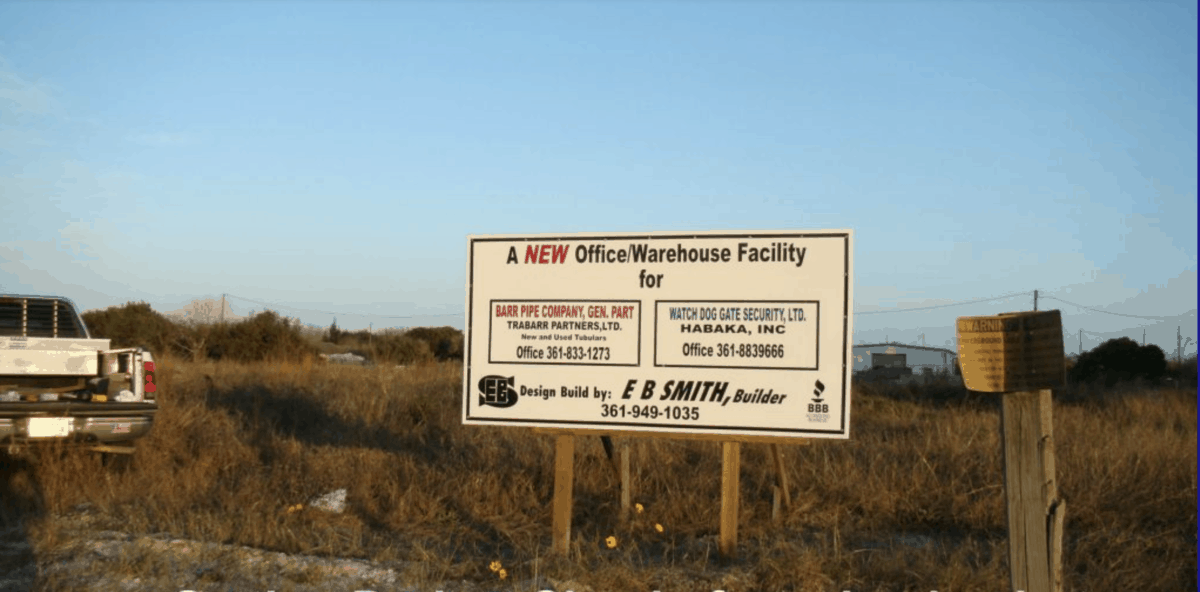
    1. Project Sign

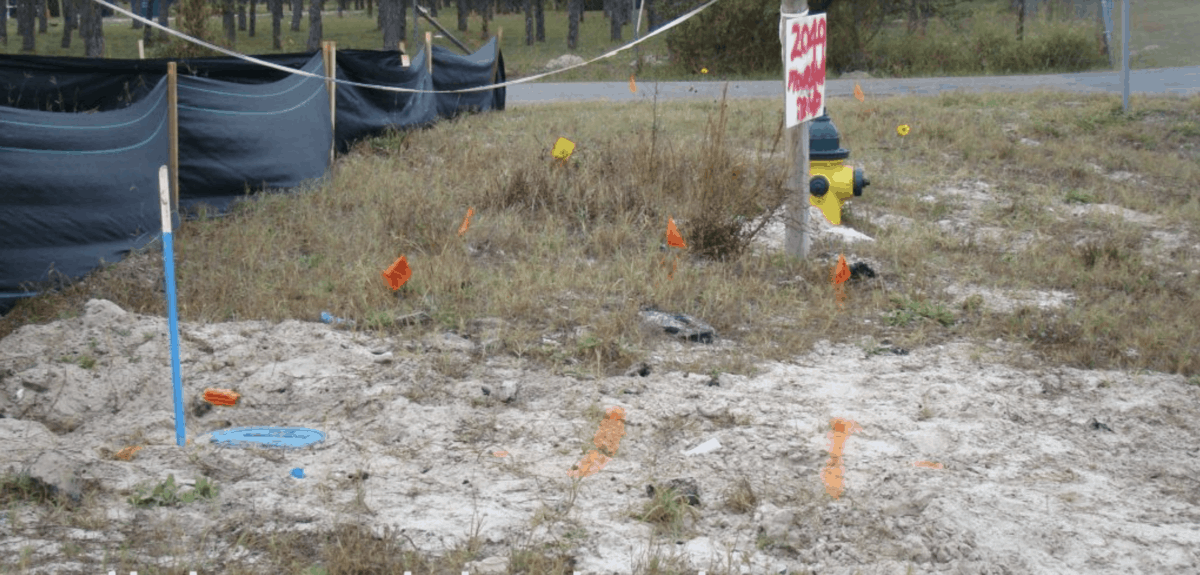
    The first step is to set up the project sign before clearing the lot. 
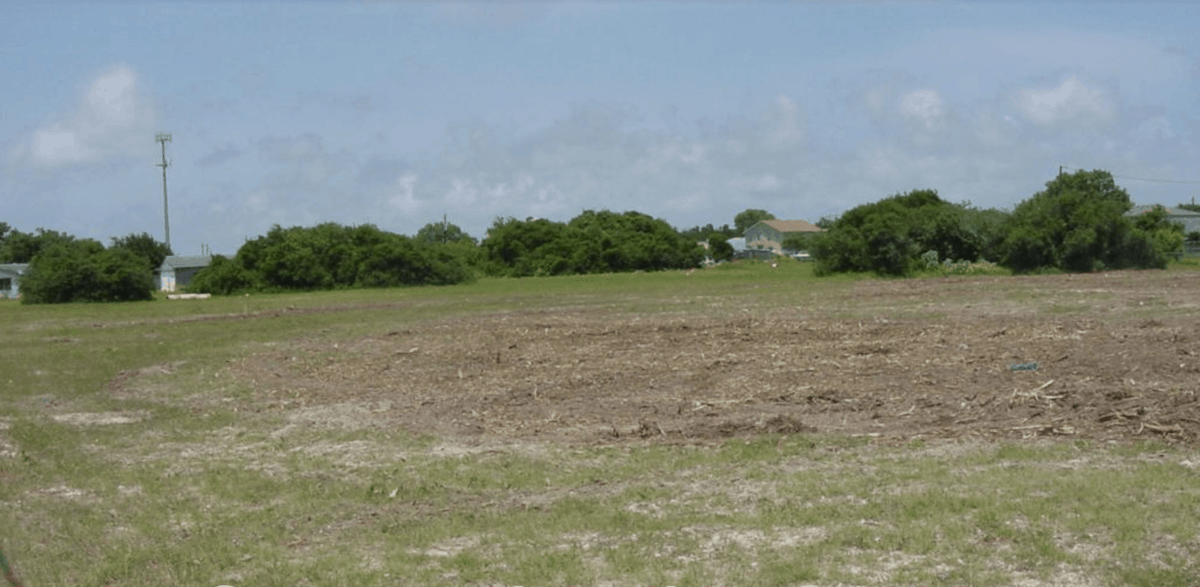
    2. Remove Vegetation

    Remove any vegetation that might be near or around your project. 
     srcset=
     srcset=

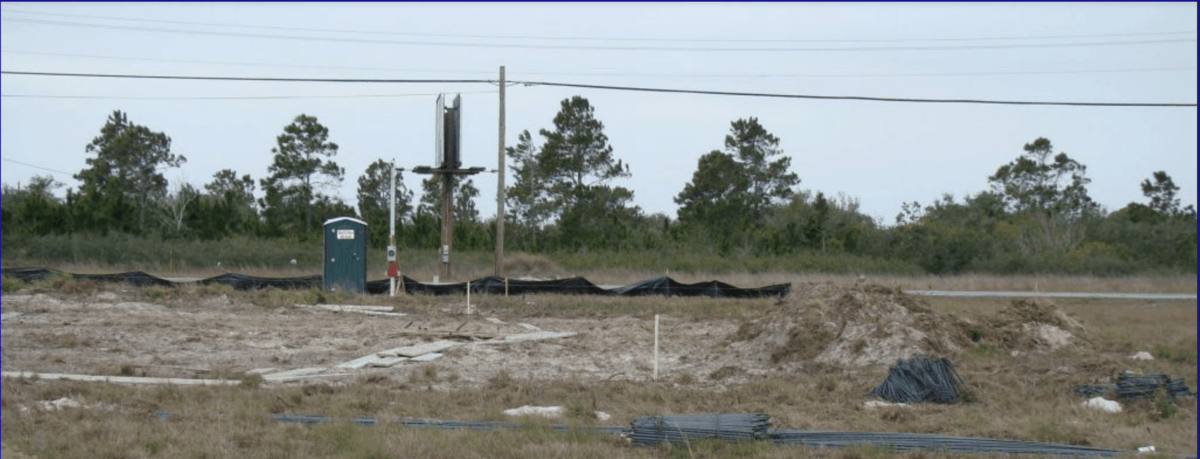
    3. Silt Fence
    Prior to starting construction, a silt fence is installed in order to keep blowing dirt and sand within the construction site. 

    4. Electric

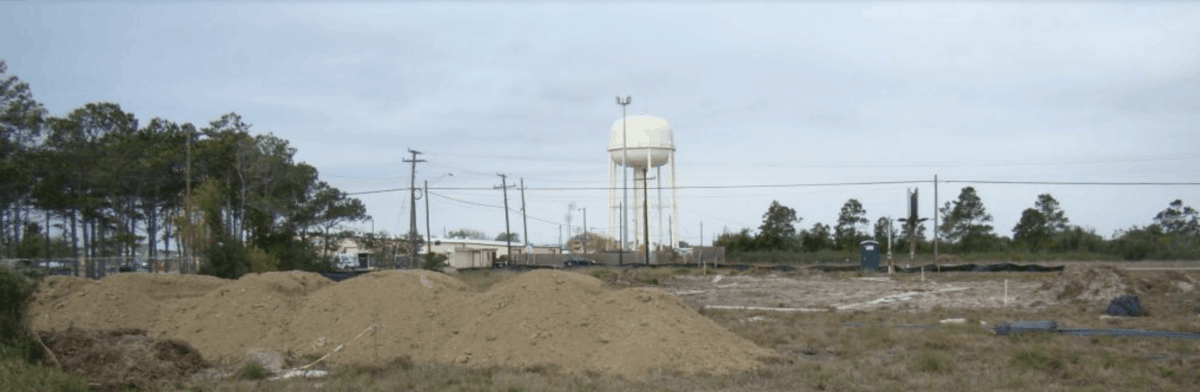
    Temporary electricity and portable restroom are delivered. Re-bar and stirrups are also delivered. Total removal of vegetation at foundation area has been started. 

     srcset=
     srcset=

    5. Locate Pipes

    Underground pipes have been located, identified, and marked. 

    6. Select Fill

    Select fill is used to create the pad to attain the elevation required for the concrete foundation’s finished floors. 

     srcset=
     srcset=

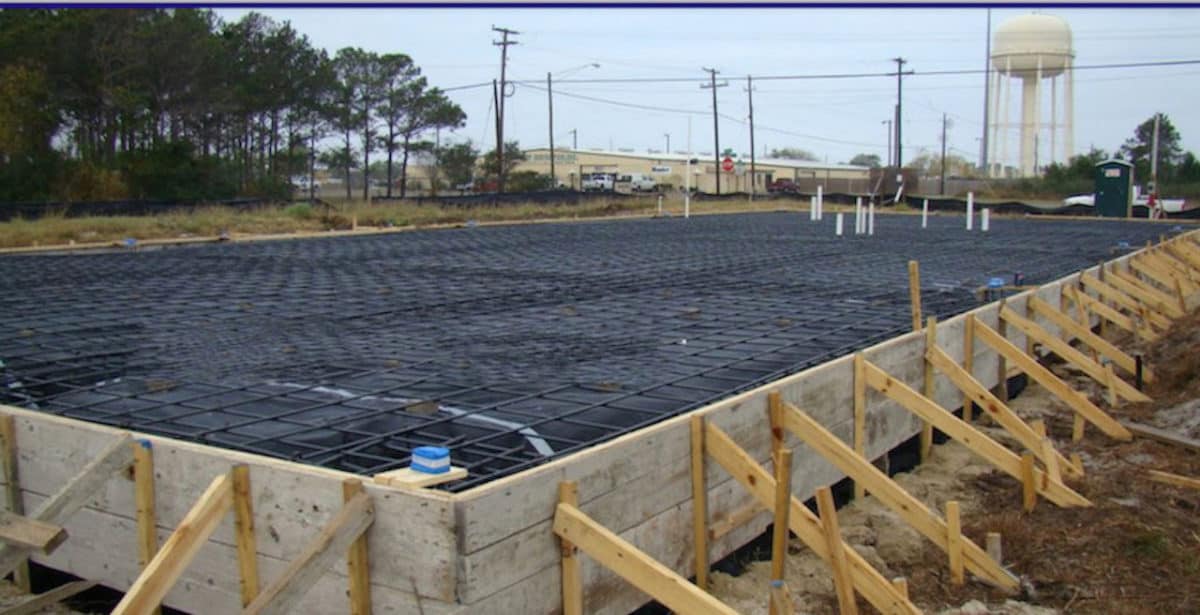
    7. Forms

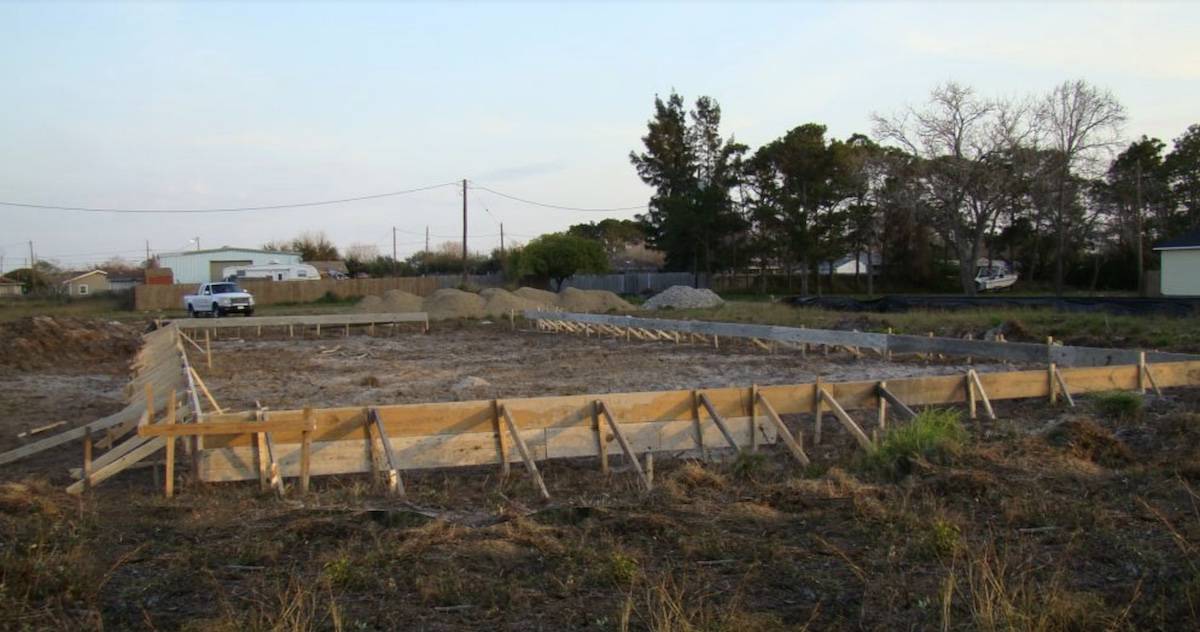
    This picture demonstrates that you need to set forms for the building’s concrete foundation. 

    8. Form Templates

    Forms are set precisely with templates holding 4 anchor bolts for the structural steel columns. This building required a total of 70 anchor bolts. 

     srcset=
     srcset=

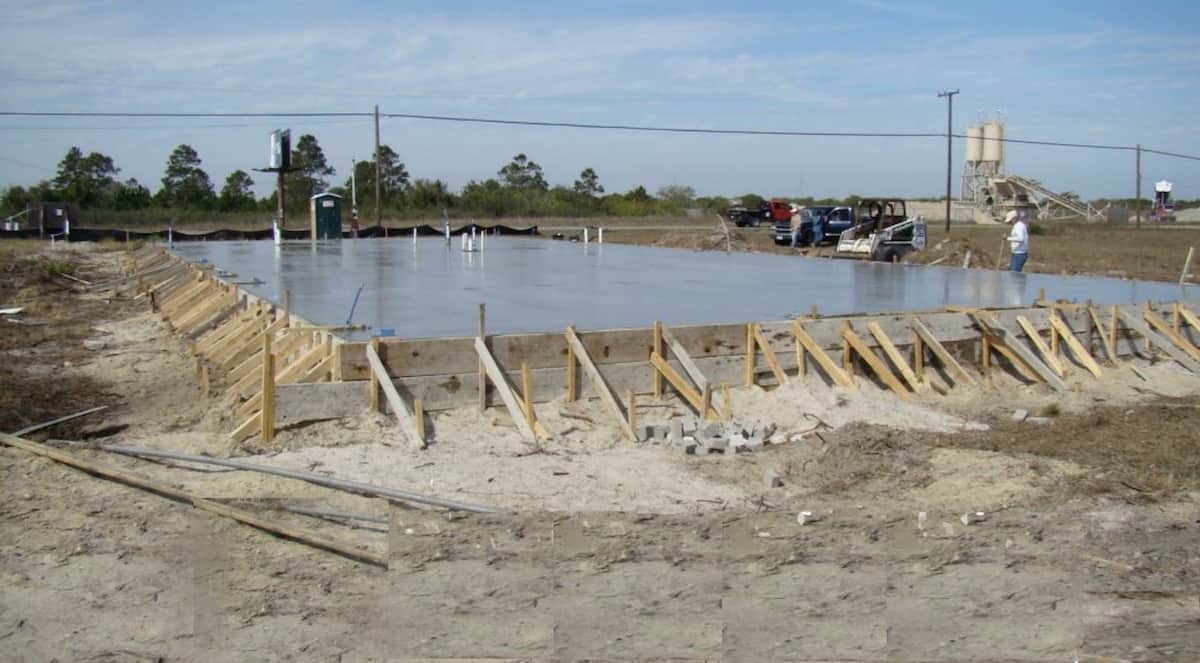
    9. The Day Before The Pour

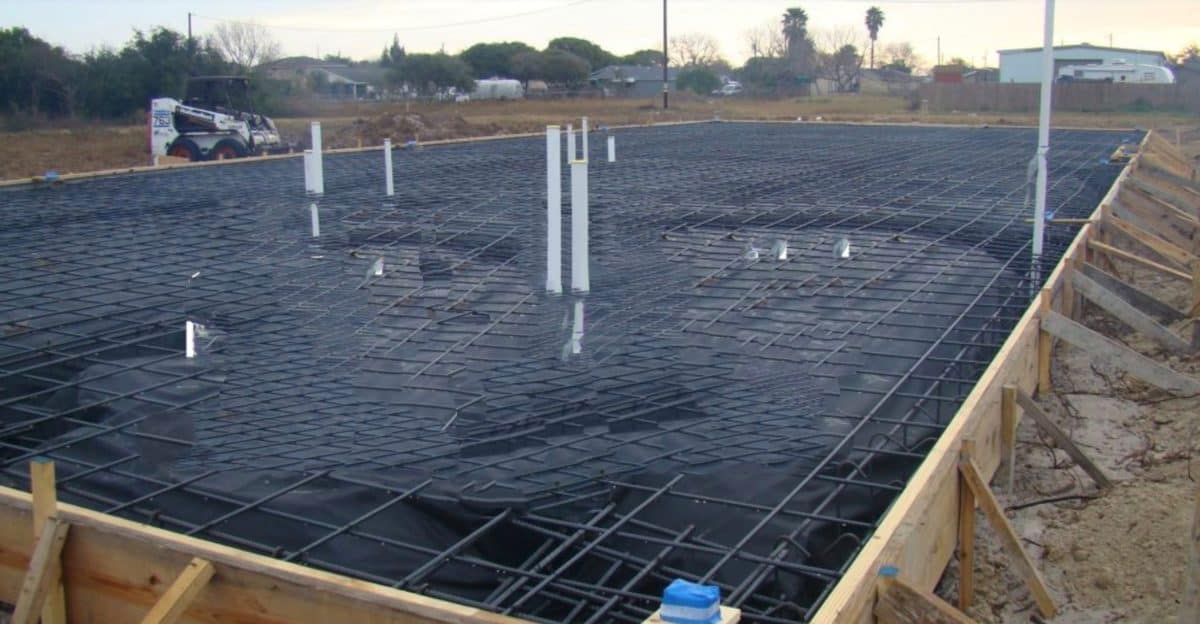
    This image shows what the foundation should look like the day before pouring the concrete. 

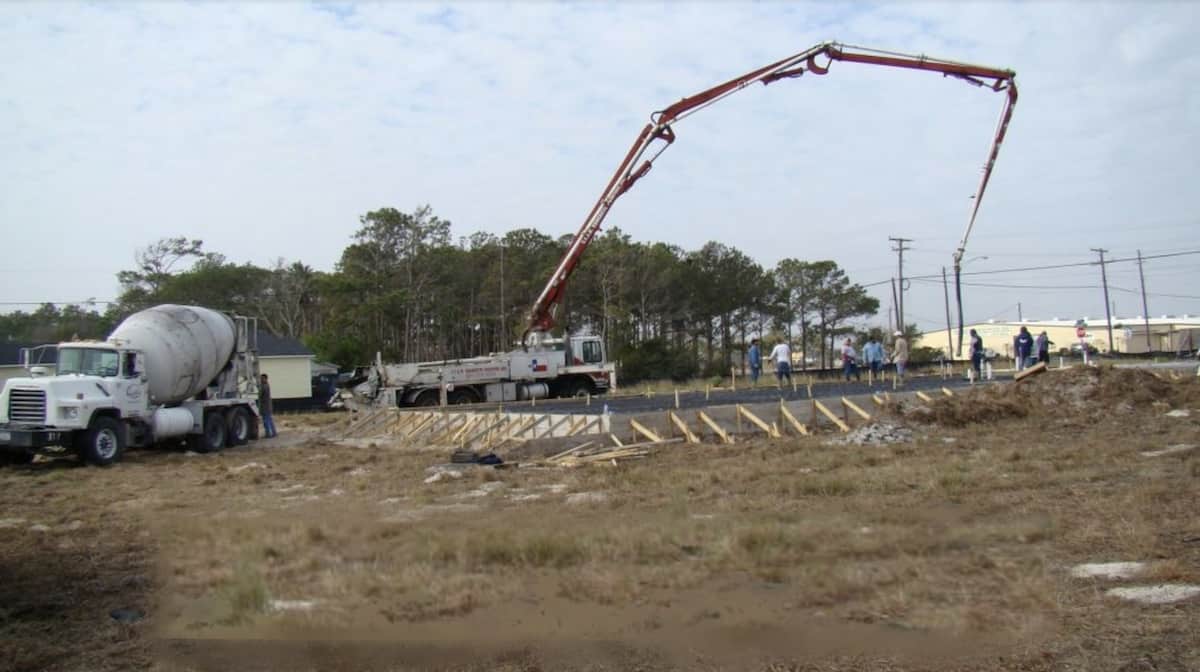
    10. Pump & Concrete

    The pump truck and concrete truck are in position. At this stage, the pour has started. 

     srcset=
     srcset=

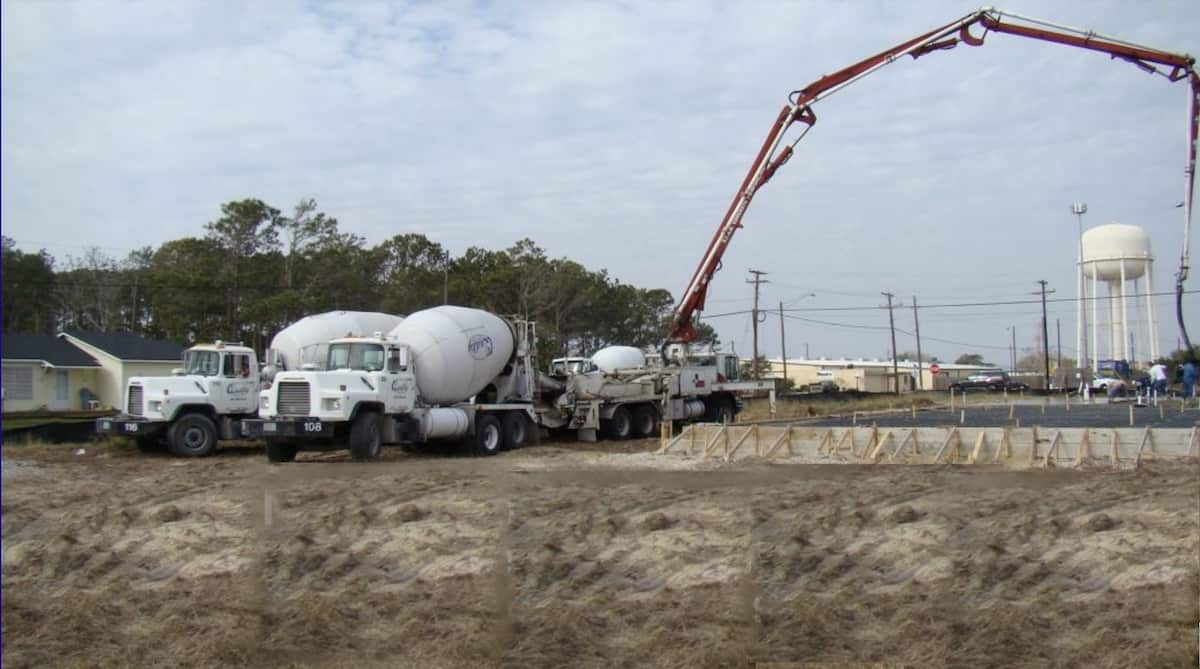
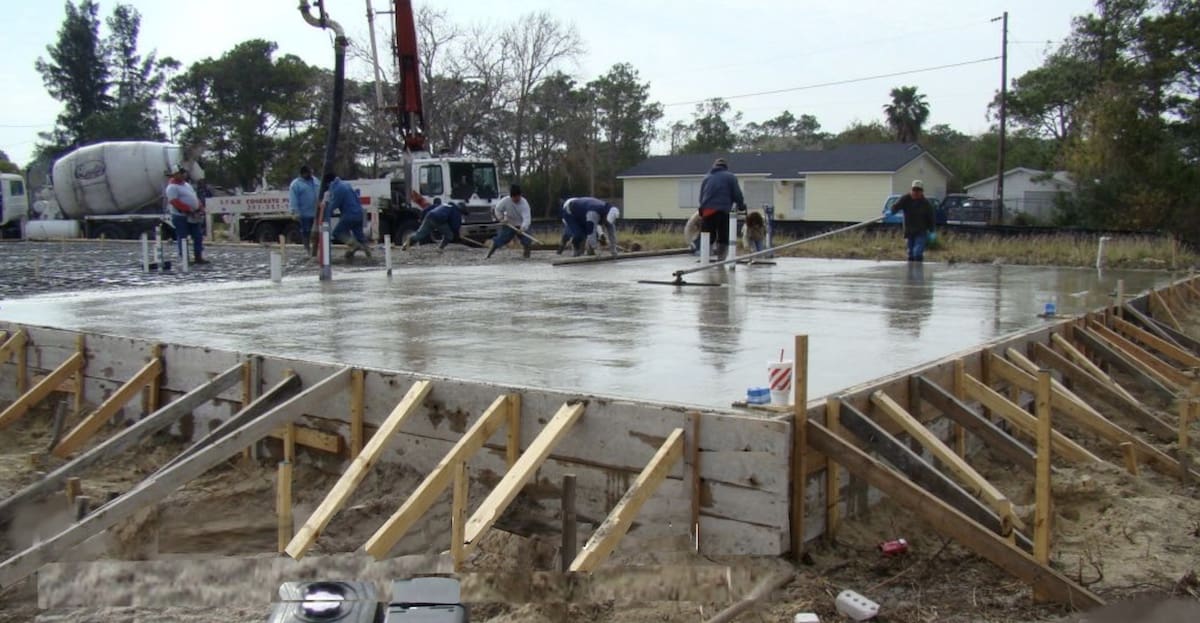
    11. Multiple Concrete Trucks

    Multiple concrete trucks are stacking up in order to get unloaded quickly on this 4,000 square foot pour. 

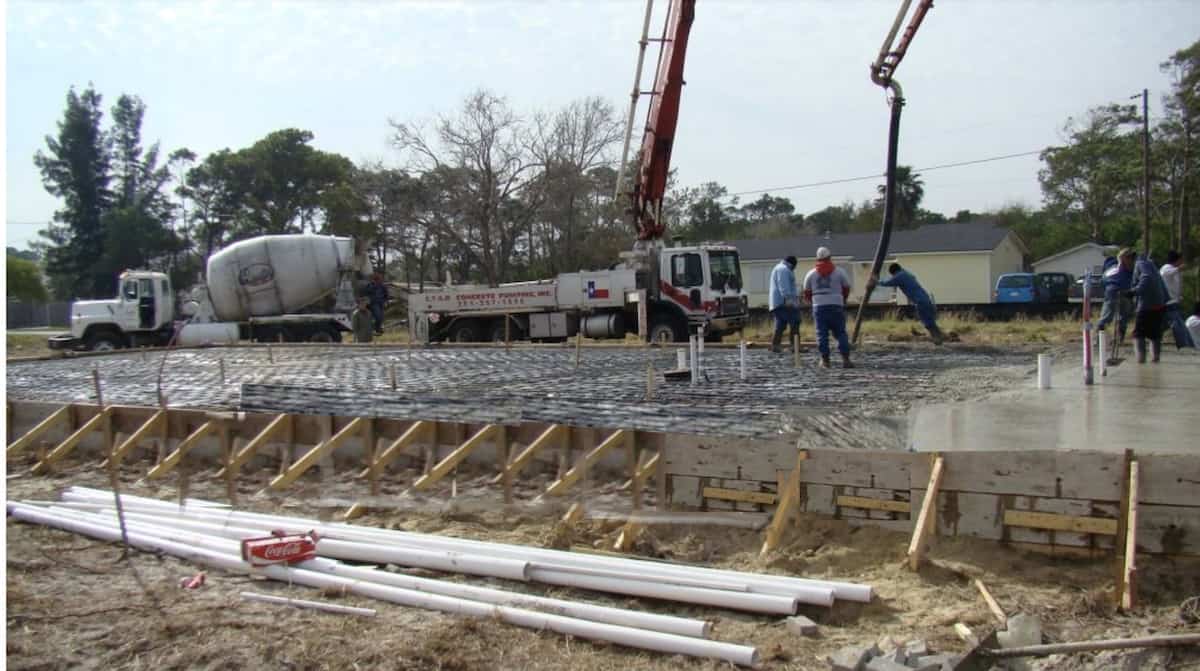
    12. Pour

    The pump truck is a valuable asset required on large pours. 

     srcset=
     srcset=

    13. Smooth Concrete

    The finishers start work as soon as possible as the pour continues. 

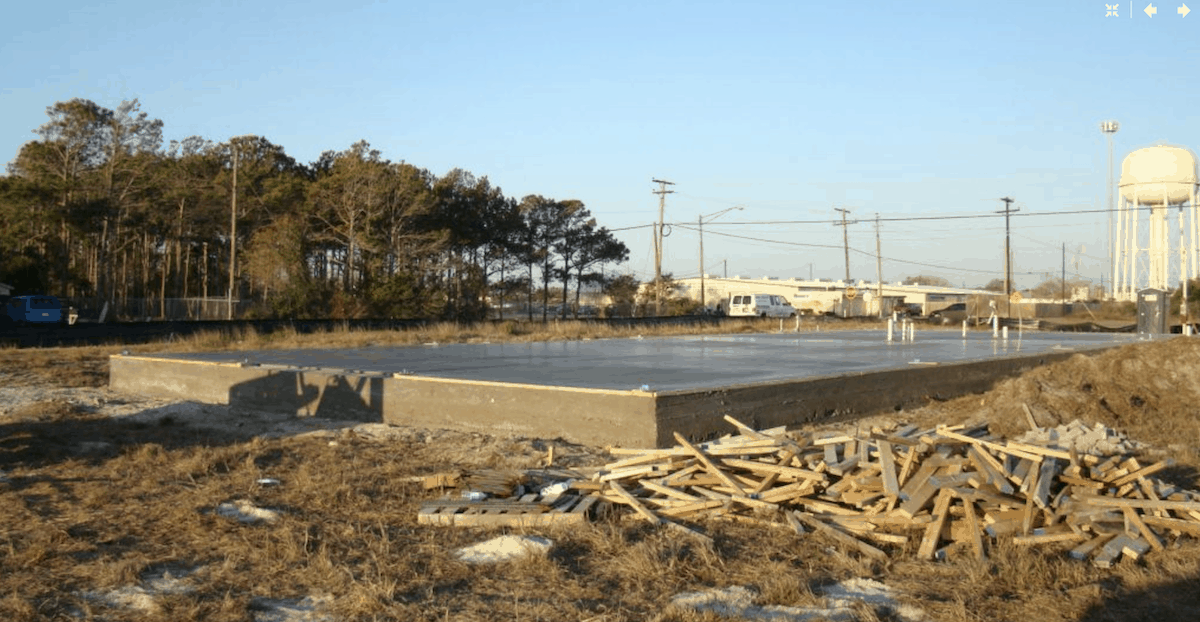
    14. Curing The Foundation

    The completed concrete foundation starts curing immediately. The forms will be removed the following day. 

     srcset=
     srcset=

    15. Remove Forms

    The foundation is completed and the forms are removed. The concrete foundation is now ready to support the steel erection. 

  • Are Steel Buildings Stronger Than Wood-Framed Buildings?

    Are Steel Buildings Stronger Than Wood-Framed Buildings?

    When you need to build a structure of any size, you want to ensure the construction is strong and your structure will stand the test of time. Not to mention elements like wind, rain, snow, hail, heat, and more. That desire for strengths brings up the question: What is stronger: steel buildings or wood buildings? A structural engineer would say that any material is as strong as it needs to be, that is, the framing is sized to be strong enough for the local climate and the building use. That answer leaves much to be desired when you want only the best as you consider metal building strength vs. traditional wood construction.

    Yes, a structural engineer will say a material is as strong as it needs to be. However, steel is much stronger than wood per unit area – there’s no denying it. This is the only simple and straightforward answer to the question: Are steel buildings stronger than wood-framed buildings?

    Less Is More

     class=

    To expand on that answer, know that a little bit of steel does the same job as a lot of wood. This makes sense when you consider the strength of steel vs. the strength of wood. Because a steel building needs regular beams, columns, and girts to distribute and resist loads and to support the interior and exterior finishes, a typical steel building does tend to have more excess capacity than a wood building.

    This means added benefits to the builder who chooses metal building strength vs. traditional wood construction. In other words, a steel building is usually stronger than a wood building, and a steel building definitely offers more structural strength per dollar. There’s conventional wisdom in some circles that steel is stronger than wood, but you’ll also pay for that extra strength in the form of a larger budget for materials. However, that’s not necessarily the case considering the amount of steel needed to construct the same design vs. wood construction. You might pay a little bit more per ounce of steel, but you’ll need fewer ounces.

    A steel building is designed to support the loads from industrial equipment and fittings much less expensively and more easily than a wood building. That’s what makes steel the go-to material for industrial and commercial buildings. The owners and operators of these structures demand a great deal from their facilities. They need to be able to use heavy equipment, place a lot of furniture, and accommodate a lot of workers, materials or goods. Steel is the material that delivers that strength and confidence.

    Great Designs In Mind

    A steel building can also be designed for a much greater height than a wood building. Imagine a major American city without steel. There would be no skyscrapers or office towers. There would be no large airports, stadiums or convention centers. You wouldn’t be able to find a large shopping mall. Steel is what makes these enormous structures possible. Without steel, the Empire State Building would still be just a design. There would be no way to construct a building that tall of even one a fraction of its height.

    Steel can span a longer distance than wood. It’s possible to create a much larger open space with no supporting walls or columns using steel. When it comes to business needs, consider a large warehouse space or large meeting area in a corporate headquarters. Without the power and strength of steel, your business would have to fundamentally rethink its facilities and how it uses its space. There would simply be no possibility of constructing these large, wide, high spaces that we take for granted today.

     class=

    Safety First

    Steel isn’t flammable, while wood is, which means increased safety in steel structures. Perhaps you’ve heard of famous fires from the past, such as the ones that devastated Chicago in the 19th century. Or maybe the ones that tore through San Francisco following its famous earthquake in 1906.  Or even the 1911 Triangle Shirtwaist Factory fire in New York City that led to reforms in building codes. Even today in some developing countries, fires continue to be an issue. Why? Because in the 19th century, early 20th century, and even today, wood construction is far more commonplace than steel construction.

    Overall

    In short, steel is simply more structurally efficient than wood. When you want to secure the power and strength of steel for your project, trust the team at MBMI. Contact us today about your steel construction needs.

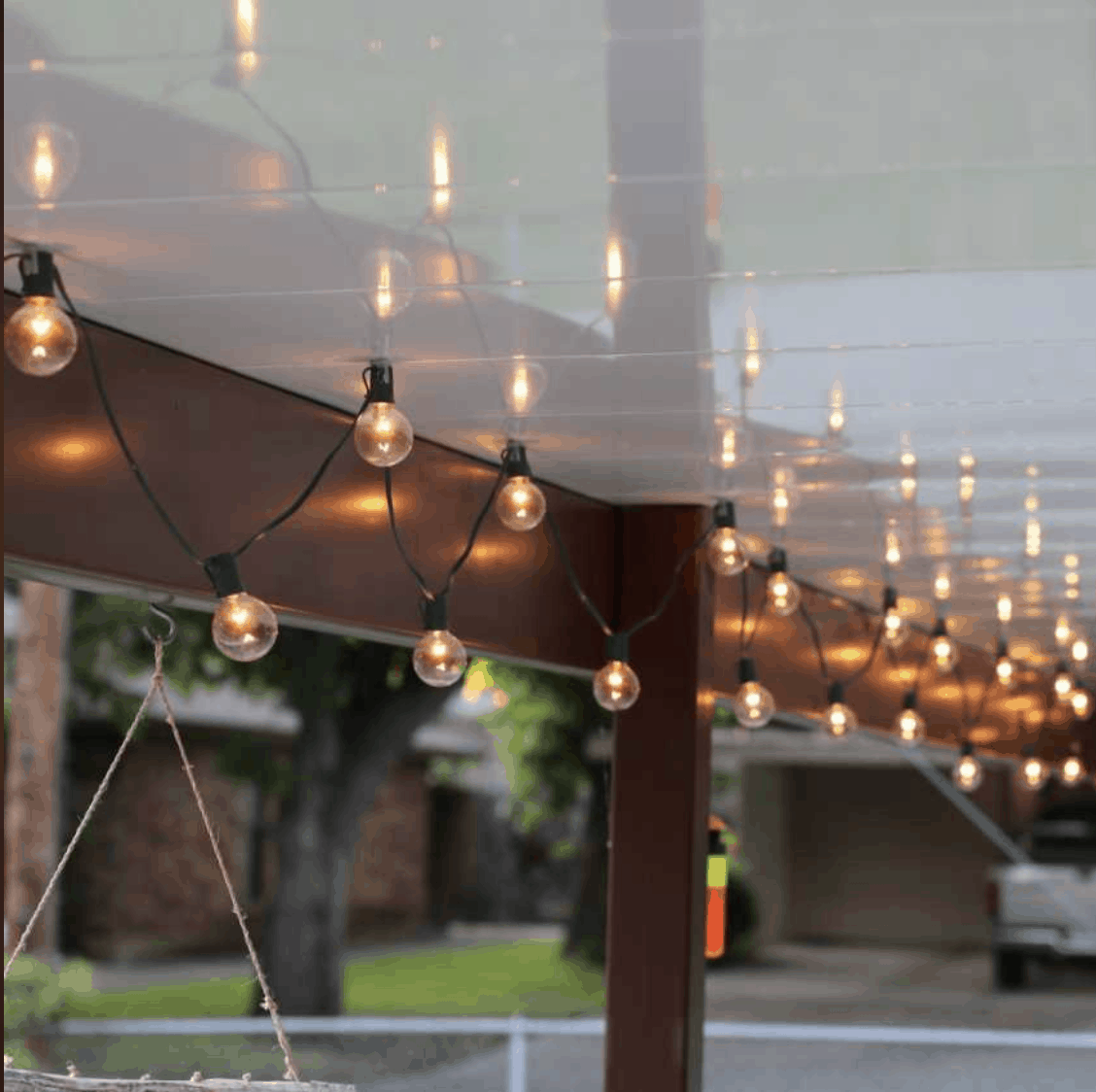
  • 4 Ways To Hang Up Lights On A Metal Roof & Proper Storage

    Metal roofs have become much more popular in recent years. They can be seen hanging on traditional homes, to full-framed metal homes, and even businesses might have metal roofs.  Whether you have a standard home or a metal home, having a metal roof might be different when it comes time to put up your Christmas lights.

    Some might think that the different roof material would make hanging lights more difficult, but lo and behold, its the same level of difficulty. If you thought that putting up Christmas lights on traditional shingles was easy, then lights on a metal roof will be easy. If you think putting up lights on the roof is challenging, well we have news for you; it might be challenging.

    Joking aside, metal roofs should actually make the process a little bit easier than with traditional shingles or any other materials. We have put together a step by step guide on how to install lights onto a metal roof.

     class=

    Different Methods For Your Metal Roof

    First, let’s take a look at some of the different options you have for getting your lights up on your metal roof.

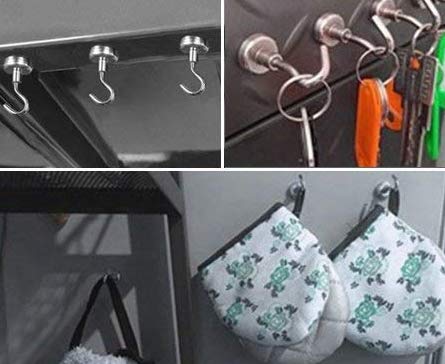
    • Magnetic clips
    • Command Strips
    • Magnetic Lights
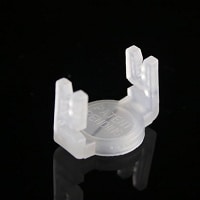
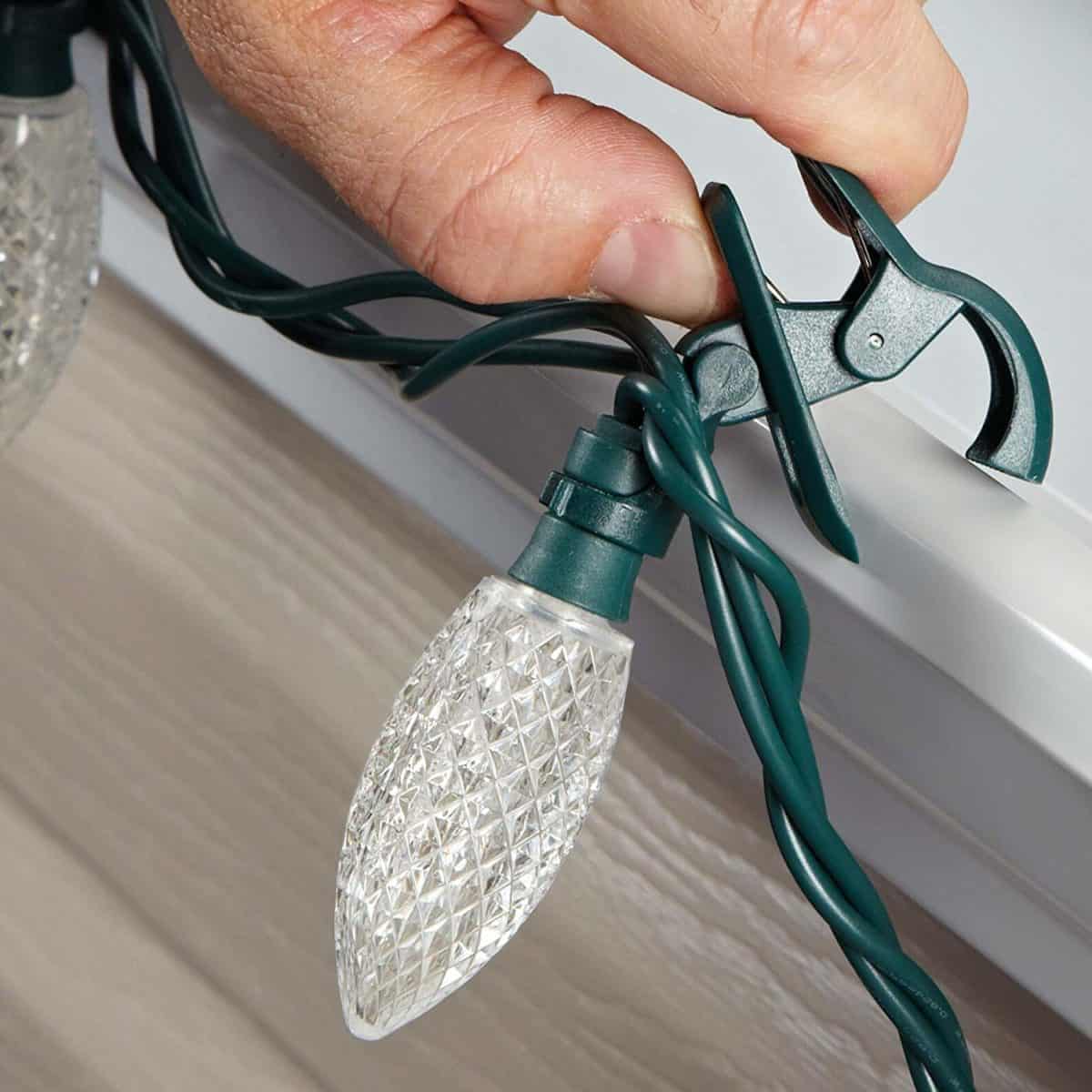
    • Plastic Clips

    Magnetic Clips

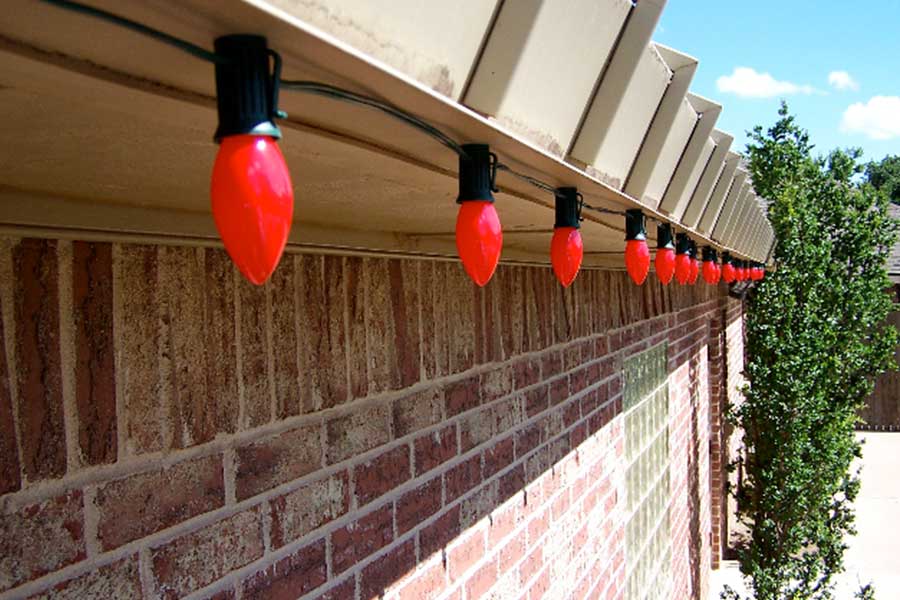
    Here is a link if you’re in need of a bulk purchase of C7 and C9 Clips. With these clips, all you have to do is put the magnetic side to your metal roof. The strength should hold up nicely while you string your lights and throughout the duration of the holidays. And you can even get them on Amazon as well.

    Another magnetic option is magnetic hooks. These are available on Amazon, called, Netany x228 12 LB Heavy Duty Magnetic Hooks, in a pack of 12 with a pull force of 12lbs. A great advantage of magnetic hooks is you can use it for other purposes. Whether you use if for Christmas lights, outdoor decor, or even bring it inside to put on your fridge

    Process: With the magnetic clips, Simply snap a clip on every socket of a Christmas light cord constructed with 18 AWG wire. Be sure to choose specified clips based on your cord’s insulation specification. With the hooks, place the hooks in the desired line and hang the string of likes onto the hooks.

    Test your metal roof with a common household magnet to confirm that a magnet will have a strong hold.

    Command Strips

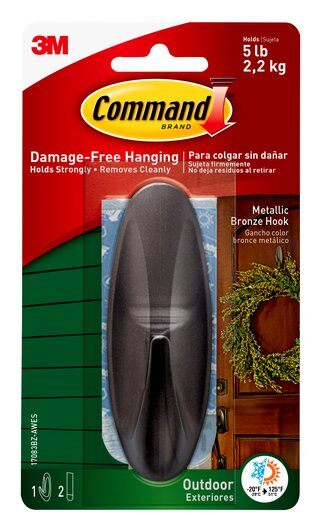
    The next option to consider for your metal roof is outdoor command strips. These are a great option since they come in a variety of finishes, durable, and not permanent. If any mistakes are made, command strips are easy to remove and reapply.

    Some amazing features of command strips are that they can withstand temperatures of -20°F to 125°F, UV & water-resistant, and each strip can hold up to 5 lbs.

    Process: Make sure the surface is clean. Remove the back of the command strip seal to reveal the stick strip. Then place it onto the surface, holding for 10 seconds. Here are further instructions and how to remove the strip, https://multimedia.3m.com/mws/media/1145993O/17083bz-awef-command-outdoor-lrg-metallic-bronze-dsgner-hook.pdf.

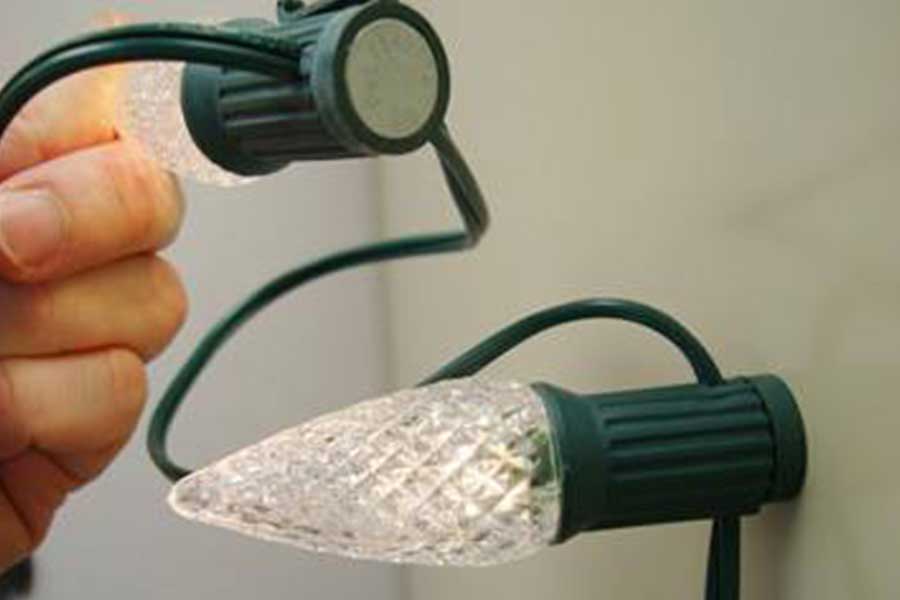
    Magnetic Lights

    Magnetic lights are the ideal option if you need to buy Christmas lights or you want to make your life a lot easier.

    If you want to make life easier, we would defiantly suggest this method of hanging up your lights.

    Process: Measure the area you want lights to make sure you have enough length. https://litenetics.com/ Lets you customize the bulb style, color, and size. It also lets you choose the spacing between each bulb.

    Plastic Clips

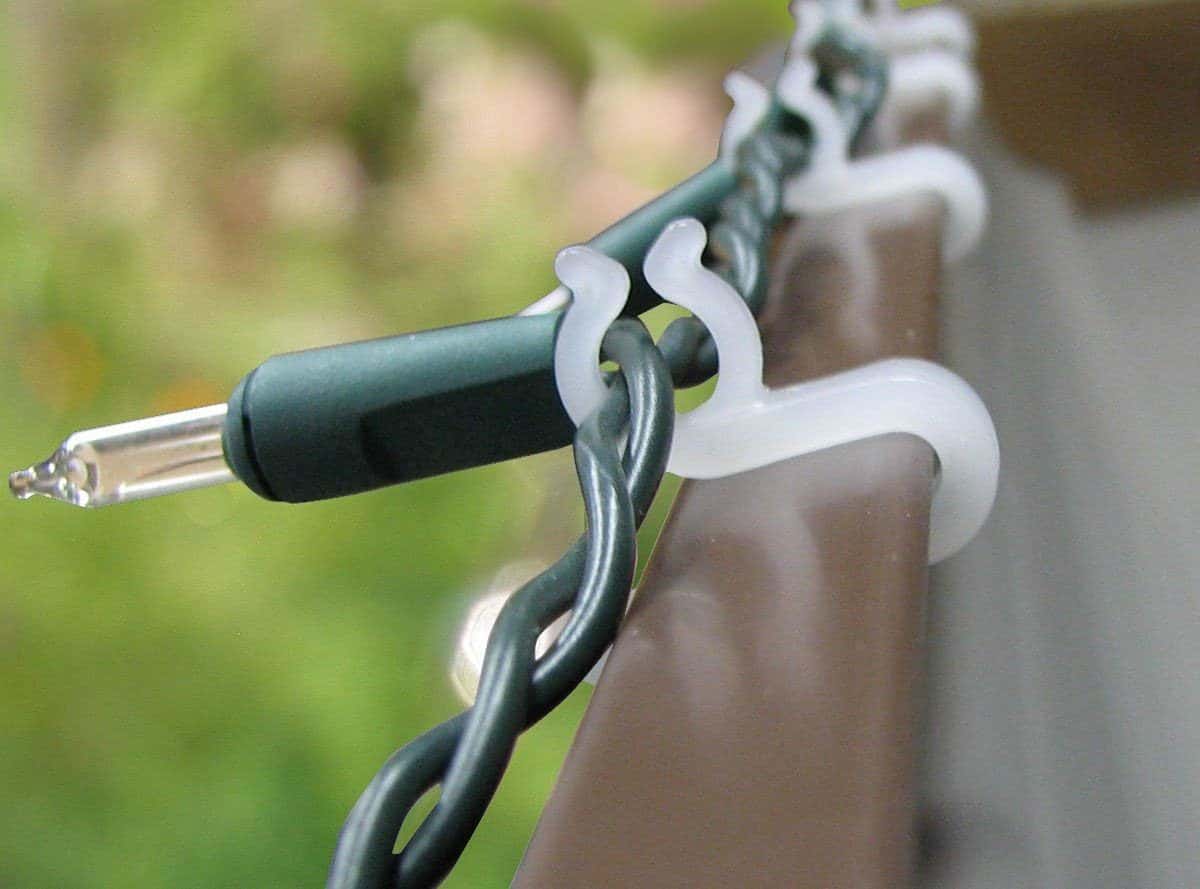
    Last on our list are plastic clips, to hang lights on a metal roof. This might be an easier option to find in your local hardware store. Again, this option can also be found on Amazon called, Adams Christmas 5150-99-1040 Mighty Light Clip or there’s another good option called, NOMA C9 LED Quick Clip Christmas Lights.

    These clips are a good alternative if you want a budget-friendly option and already have Christmas lights.

    Process: Clips can be attached to gutters or shingles easily and effectively.

    How To Store Lights After The Holidays

    When the holiday season is over and it’s time to take off your Christmas lights and decor, here are a few options to consider.

     class=
    https://www.hgtv.com/design/decorating/clean-and-organize/clever-holiday-decor-storage-hacks-pictures
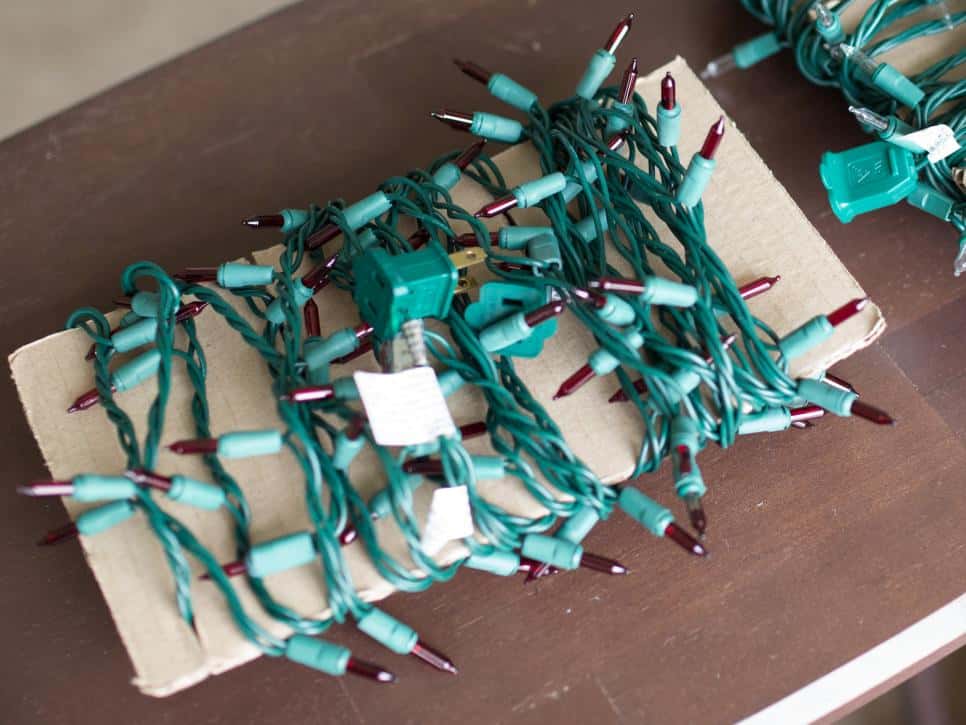
    • Take a piece of cardboard and wrap your lights around it for a tangle-free eco-friendly solution.
      • You want to make sure the cardboard is at least 12 inches or bigger.
    • Zip-tie option: Hold one end of the lights in your hand and wrap around your elbow, back to your hand, to coil it together.
      • Add zip-ties to

    With either of these alternatives, you can go one step further by placing the lights and other decorations in a bag or box. Labeling the bag or box also helps with finding your decorations easily for the following holiday season.

    Good luck with your holiday project this year and we hope these make the process easier. Happy Holidays!

  • Hurricane Prep For Your Metal Building

    In light of what happened this past month with hurricane Dorian, we are here to tell you a few key points on why being prepared is essential.

    Florida was EXTREMELY fortunate this time, but it could have been as bad as the Bahamas, and for that, we should prepare. Our hearts are with those severely affected by the storm, and we are praying for a speedy recovery for all. The Bahamas and its people are in our thoughts.

    Most of us know how to get prepared for a hurricane so we won’t be going into the details, but we want to educate you a bit more about metal building safety.

    Your business is very important to you. 

    That’s how you make your livelihood. While you are busy taking care of your house and family amidst hurricane warnings, you might forget about your business. So prepare ahead not to regret later.

    We are here to tell you why a metal building is a great option when preparing for hurricane season.

    It’s important to have hurricane wind rated buildings with storm proof windows and doors, and MBMI can help you with that.

    It doesn’t matter what kind of business or equipment you want to protect. We can custom build any style of building to fit your business needs.

    Here are a few examples of the types of buildings that you should considerer for your business.

    Barns

    If you have livestock, we would suggest a barn. We can create barns fit for your specific needs that can house anything from chickens to cows and horses. It’s essential to have a building that can sustain hurricane wind forces, while still allowing proper airflow circulation for the animals. 

    You should consider the type of animal you have when buying your barn. Different sizes can accommodate different animals, so make sure to have the proper room for your livestock.  

    We can also add stalls or stall walls to keep animals separated, fans for better airflow, and specific lighting to cater to your requirements. 

    Barns are also useful for equipment like tractors or trailers. 

     class=

    Warehouses: 

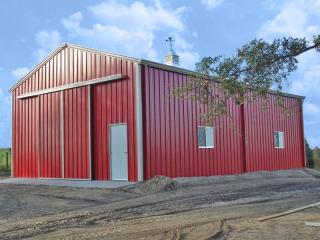
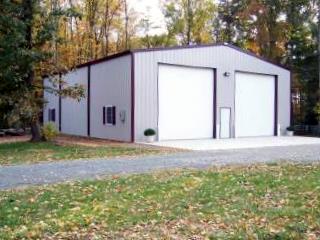
    If you want something a little more industrial looking, we can accommodate accordingly by building you a big garage-like building or a warehouse, where tractors, semi-trucks, forklift, and different equipment can fit. 

    Commercial warehouses are a great type of metal building that can be built according to your size requirements while supporting a strong structure for hurricane forces.

    Hurricane proof windows can be installed to allow natural daylight in while still maintaining your business secure. 

    Garage: 

    If your business consists of car rentals or car services, we could build a big enough garage to house all your cars.

    The garage can be custom made to have proper lighting and air-controlled temperature to keep your cars in the perfect environment.

    It doesn’t stop at commercial, same goes for personal garages!

    A bathroom could also be added to any of our buildings should you decide to utilize it as a safe compound for your family as well.

    We know it’s a big investment and a lot of information to process before moving forward, so let us know if you need any help!

    We know how much short notice is given before a hurricane strikes, so prepare early to not stress about it later!

     class=

    What MBMI Promises

    Our buildings can be made for any speed.

    MBMI already creates strong structures but we accommodate all requirements to suit your county and state.

    This could require more beams or adding more purlins to the building which strengthen the building. All counties have their own loads and codes, as to what they require. MBMI can fulfill that to make sure the structure is secure.

  • Do You Need An RV In Your Life?

    Have you ever thought of seeing the country yourself? At your own time? With no schedule at all? Or maybe you’ve considered buying a second home in the city you visit a lot of work out of? Might have even considered taking some time off to do a road trip and see the places you have always wanted to see?

    You might be sitting on your retirement money and don’t know yet where to invest it. 

    Well, here is something you should consider…

    if any of the above apply to you. Even if it doesn’t, keep on reading because this article might convince you to buy an RV anyways. 

    Recreational Vehicles or RV for short is the greatest invention since television, and let us tell you why. 

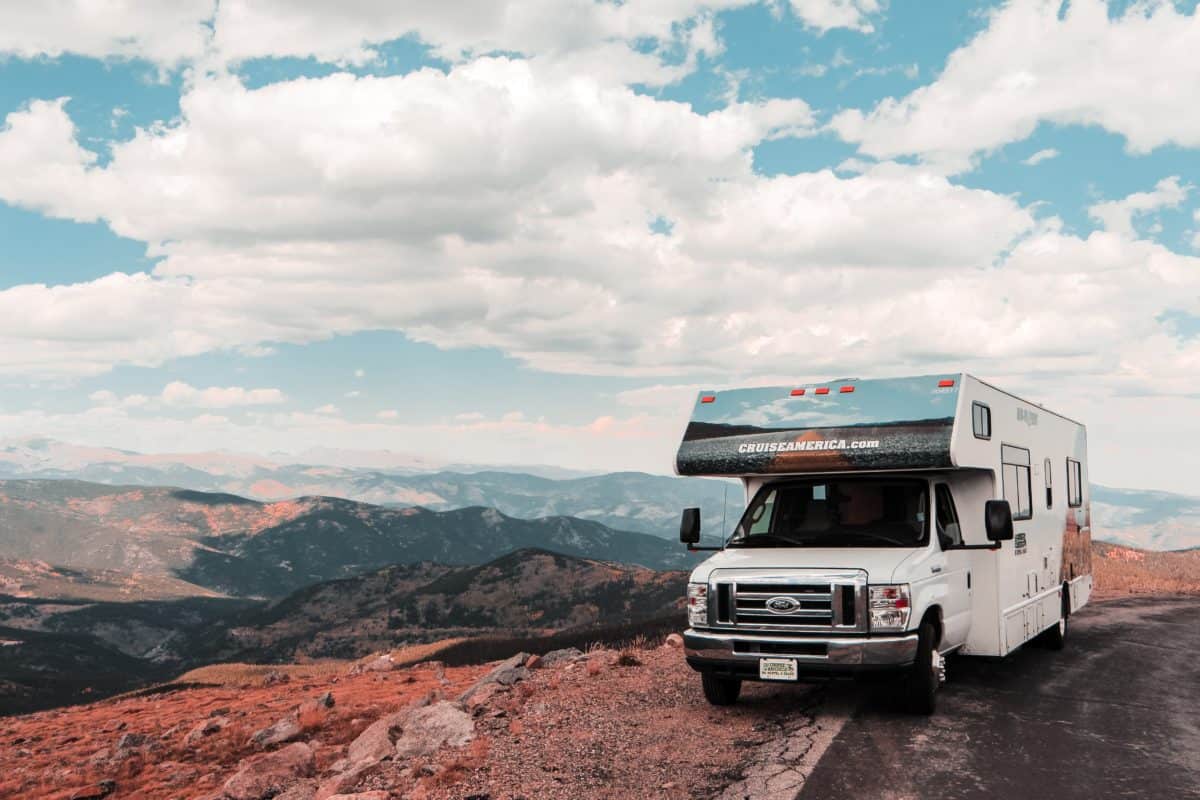
    It’s your cozy little home on wheels!

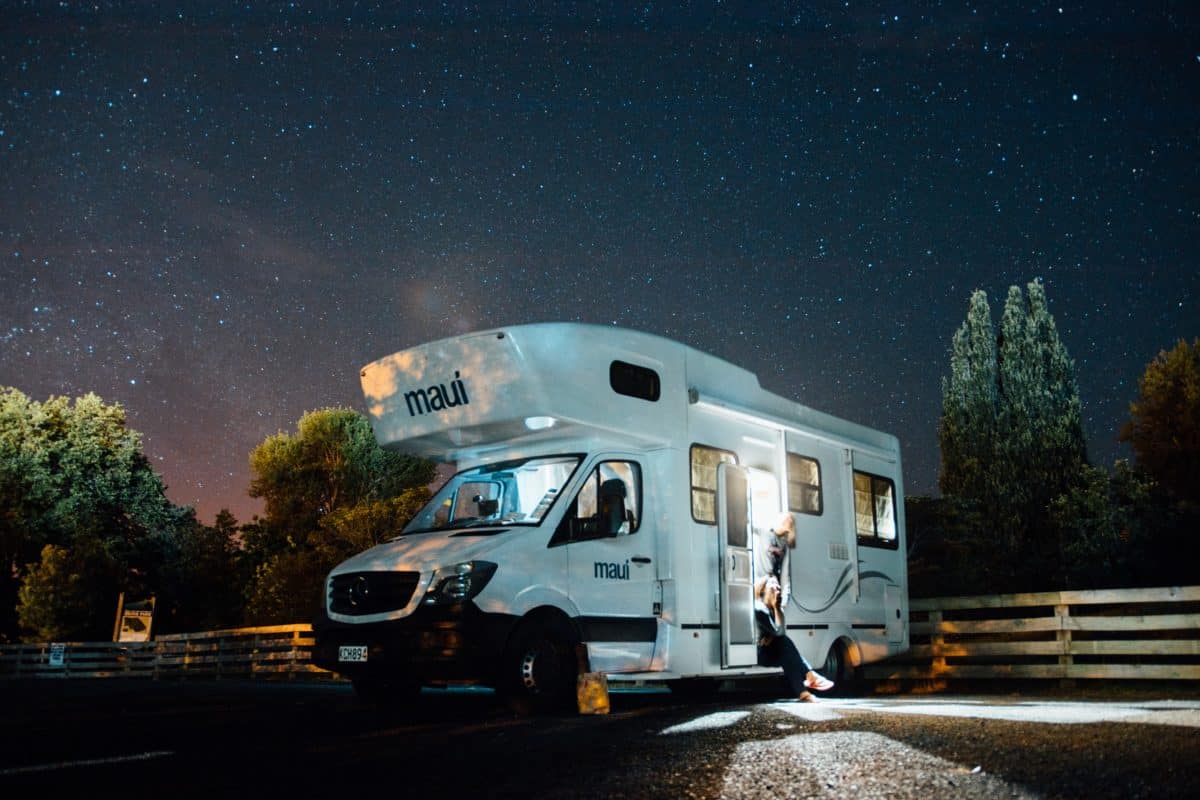
     class=

    An RV has all your necessities on board like a comfy bed, your bathroom, a kitchen, and so on.

    You can travel all day and night with no need to do any bathroom breaks. Since it has a bathroom on board for you to use at any time it’s way cleaner than the gas stations anyway.

    It has a comfy bed you can quickly get used to, extendable sides to make it bigger once parked, and your own kitchen!

    Packing frozen meals is no longer necessary.

    Depending on what kind of motorhome you get, it might even come equipped with some extensive luxurious upgrades. Anything from built-in TVs, full-size refrigerator, updated modern touches, and even a washer/dryer among many other features.

    PROS

    From top to bottom, here is a list of our favorite pros:

    1. Flexibility

    When it comes to listing out the topmost important pros of owning an RV, flexibility is number one in our opinion.

    It gives you the flexibility to go on vacation at your own schedule. It takes out the hassle of dealing with airports, travel time, and the expense of finding rooms at your destination, which sometimes can be limiting. 

    2. More camping trips

    Recreational Vehicles will motivate you to go on more camping trips. Regardless if you are going solo, or with a big group (big RVs can hold up to 8 people).

    You will have the comfortability of your own motorhome if you don’t want to sleep in a tent. We would definitely classify this one as glamping ;). 

     class=

    Just imagine you and your loved ones leaving at whatever time you decide to go to the nearest or farthest campgrounds where you can simply park and enjoy.

    The RV will also give you full protection against bugs, and a kitchen for you to cook your food without having to rely on making a campfire yourself. You will have a stove and oven to cook gourmet meals should you decide, which we know it’s impossible to do with a campfire alone.

    If you are more of the roughing it type of person, don’t worry, the RV will be there just in case you need it. You still get to travel in style to your destination, park it, and go genuinely camping with your own equipment.

    3. Replace your home

    Another good reason to own one is if you are sick of paying a mortgage! Replace your big house for a smaller one on wheels.

    The best part is that you can choose anywhere to live.

     class=

    Monthly bills would significantly decrease, leaving you with more money to do other things like traveling around the country or invest it in anything you choose.

    4. Explore new places

    Seriously, who doesn’t want to go on a two-week vacation around the country? From Florida to Alaska, stop along the way to see all the natural beauties our country offers, as well as the artificial ones.

    The United States is known for having the most beautiful routes for road tripping. You could take Route 66, which is one of the first numbered transcontinental highways in the United States connecting the Midwest to the coast.

    It has many attractions and lodging along the way, making it extremely easy to navigate and hassle-free.

    Illinois Route 66 worded it beautifully with this description of Highway 66, “The scale of the road corridor and its interface with the communities it connects allows travelers to experience the local sense of place in ways that superhighways cannot achieve.”

    There are many other “less-traveled roads” you can take when you have time to do so. Going South/North or East/West, having an RV will probably guarantee you see all the national beauties each state has to offer.

    5. Save some money:

    We all know very well how expensive it can be to plan a trip, including hotels. You never know what the rate will be once you need one, and if not booked in advance, it could be sold out.

    Owning an RV takes the hassle out of the planning process.

    No more wondering when to book a room for the best rate! If you own your own RV, all you need is a place to park for the night. Once you arrive at your destination, find a campground with the proper connection for your RV, and you are good to go. 

    6. Home away from home:

    Have we convinced you yet? No?

    Ok, well here is another excellent pro to owning your own RV.

    Let’s say you currently reside in one town but have to travel hours away for work, paying for a hotel every time you have to go. You could simply invest in your RV, pay for a campground that lets you leave the RV year-round, and simply travel to your RV when you have to go to work. 

    It will save you money that you usually spend in a hotel, and you are guaranteed to have a little piece of home whenever you have to go to work.

    It’s incredibly convenient as you will have a bed you are used to, will house all your necessities without having to drag it back and forth, and you have a kitchen to cook homemade meals rather than always spending money on restaurant food. 

    If you don’t work at a different town but always wished you had a summer home somewhere, maybe investing in an RV will be your most economical way to do so. It has lower monthly bills due to the size, and usually, the rate of a campground is cheaper than most community fees out there.

    CONS

    Now that we have listed the pros and benefits of owning a recreational vehicle, here are a few cons to consider before purchasing one.

    1. Could be expensive

    Buying an RV could mean you have to invest a lot of money upfront or make payments, which would help you in the long run, but that would be an extra monthly bill for you to pay. 

    Depending on the size of RVs, you would be looking at anything from $10,000 to $300,000. Now, of course, you would have to choose the one that best fits your budget. There are so many different types and an array of the price range, so finding the one that suits you best is essential.

    2. Storage

    Although storage can be a con, we have the solution to make it easier.

    Metal buildings are an excellent option for RV storage as we have explained in this article, “Wouldn’t you Love Having a Garage for your RV?” You have to assess and consider what kind of structure would better suit your lifestyle.

    You have different options for storage: RV garage, carport, barn, and combination of garage and carport. Having a storage unit specifically for your RV is a necessity as RVs need protection from certain weather forces, bugs, theft, and so on. 

    After considering which style of storage you would like for your RV, that’s another expensive add-on, so depending on the structure you choose, remember to include that on the final budget you planned out for your motorhome.

    If considering a metal building for your RV storage, maybe go with a structure that can be used for more than just storing an RV. Our metal buildings can be customizable to fit a variety of different things like cars, gym, or even your workshop.

     class=

    3. Maintenance

    Maintenance on anything isn’t always fun, and when you own such a big vehicle, cleaning can be a bit of a hassle.

    Besides cleaning, well maintenance is essential if you don’t want to have big problems down the road. You need to keep it up-to-date so ignored issues don’t catch up all at the same time.

    Another thing to consider is if something malfunctions. The cost of getting it fixed could be high depending on what breaks, so you need also to add this to the budget. If anything goes wrong, you want to make sure you have the money to fix it the right way. 

    Additionally, RVs have what they call “gray and black tanks”, which hold your dirty water and toilet waste.

    Those have to be drained at least every week or when its two thirds full so they don’t back up and cause a significant problem.

    It’s a good idea every now and then to sanitize those tanks so all build-up can be cleaned out. Although it might be a bit inconvenient, if you are willing to do it, it’s not all that difficult. You have to find a place where you can hook up your RV to be emptied, which is usually easily found.

    4. Depreciation

    Depreciation is not a fun word, especially when it describes such an expensive vehicle. When thinking of investing in an RV, such a thing needs to be considered. If you see yourself using it at least twice every six months or more, depreciation might be something that won’t play a role in the decision-making process.

    5. Movability

    Motorhomes can be hard to maneuver at times. RVs are quite large, so special skills are necessary when driving a motorhome. Some companies might even require you to go through specialized driving courses specifically for the type of vehicle you are driving.

    On a positive note, for the state of Florida, you do not need a special driving license when buying an RV. 

    On the other hand, RVs are big vehicles so it might be challenging to find a parking spot at your final destination, or get around town if you want to explore. There are things you could do like renting a car or even bringing your own so you don’t have to drive around in your vast RV. 

    Remember too that some places have narrower streets which might not accommodate a motorhome. 

    If traveling to Savannah, for example, downtown might be a tight drive as the roads are narrow and have low hanging branches all over. Bringing your car or renting one might be a great idea.  On a brighter note, if you decide to go with a trailer RV, you will have your truck to drive around once you arrived. Even if you go with a Class A recreational vehicle, you still have a hatch to hook up your car should you decide to bring your own.

    6. Gas

    Last but not least, gas is another variable. If you think that gas is already expensive for your SUV, it will triple in the price for your RV. Depending on how much ground you cover, you can plan on filling up quite a bit.  Getting gas can be a bit of a tedious task, but if the reward is much greater, it might not bother you at all.

    Now that you have most of the facts and fun of owning an RV, do you think we have convinced you to go ahead and get your own?

    Remember, the most important thing is getting to do something you’ve never done before. Enjoy life a little bit more than you did yesterday.

    Sources:

    https://www.eversafebuildings.com/building-types/

    http://rvtipster.com/index.php/rv-pros-and-cons

    https://www.lazydays.com/rv-lifestyle/advantages-of-owning-an-rv

    https://www.illinoisroute66.org/About-Route-66

    18 Pros and Cons Of Owning an RV (Camper Trailer or Motorhome)


  • Metal Warehouse: How To Build A Crossfit Gym

    Let’s start from the beginning. Most people know what kind of high-intensity fitness training we are talking about here. If you don’t know, don’t worry, as we are here to help you understand a little better.

    Here is the technical explanation of Crossfit quoted from Nerdfitness.comCrossFit is a training program that builds strength and conditioning through extremely varied and challenging workouts. Each day the workout will test a different part of your functional strength or conditioning, not specializing in one particular thing, but rather to build a body that’s capable of practically anything and everything”.

    Now you know a little bit more in-depth explanation about this great workout. But if you are still wondering why you should do it, this is why.

    Crossfit is undoubtedly an excellent workout for the regular person. You don’t have to be good at anything in particular. The training is designed to adapt to anyone willing to do the workout, at any age, shape, or form.

    The number one thing you need the most when selecting this sport is commitment!

    Crossfit is the kind of training that should be done at least 5x a week for you to see faster progress. Don’t want to do it that much? Don’t worry! You can still see results if you limit doing Crossfit 2-3 times a week. Honestly, after you start, you might become addicted and want to go every day anyways.

    This training will fit you individually if you enjoy getting a good sweat while doing a lot of weight lifting.

     Although all programs can be adapted for those who cannot do specific movements (ex. can’t do squats, or lift past a certain weight), the workout remains as close to the original version as possible, while still being adaptable to those with certain restrictions.

    We understand that Crossfit is a great workout, but might not be for everyone. If you enjoy more of a calmer, less weight lifting focused workout like Pilates or yoga. We wouldn’t suggest it for you.

    Benefits

    Now let us tell you a bit about the benefit of doing this workout.

    CrossFit training goes beyond working out your physical and mental health. According to Healthline.com “It improves your physical strength, aerobic fitness, agility, balance, flexibility as well as burn tons of calories and manages weight loss.”

    CrossFit contends that a person is as fit as they are proficient in each of ten general physical skills: cardiovascular/respiratory endurance, stamina, strength, flexibility, power, speed, agility, balance, coordination, and accuracy. (Crossfit.com)

    It also helps that most times the workouts are not very long. This is beneficial for anyone with a busy schedule. All you have to do is show up and get a great workout before heading off to your next destination.

    Here are three major things you will need before you open up your gym to the public:

    1. Equipment

    When thinking of specific items you will need for your gym, you might want to include these items listed in priority order: Olympic barbell, plates/weights, pullup bar, kettlebells, squat rack, box, medicine ball, dumbbells, etc..

    Always invest in quality equipment to avoid faulty items, and having to buy over and over again, equipment that ends up breaking after short usage.

    Remember, quality over quantity.

    Although Crossfit equipment can be very pricey, take in consideration that Crossfit memberships can average between $150-$300. The memberships will make up for your investments. We firmly believe you will get back all the money you invest.

     class=

    There are so many different items you can buy. Understanding what is essential for your gym is ideal if trying to keep it on a budget. Different training goals and programs might need more of one equipment than the other.

    It’s also essential to understand the average amount of people that will be attending each session. Knowing that will help you get the proper amount of training equipment, as well as a big enough space for everyone.

    We recommend putting a business plan in place, so you are ahead of the planning process.

    2. Certified Trainer

    Secondly, let’s talk about trainers.

    When it comes to finding the perfect CrossFit gym, people will be considering who will be training them, so investing in certified trainers is essential.

    There are different categories when it comes to CrossFit certifications, and diligent research is required.

    Some certificates include but are not limited to:

    • CrossFit Level 1
    • CrossFit Level 2
    • Certified CrossFit Level 3 Trainer, and so on

    Understanding each certification is a must when hiring your trainers. High certified trainers will understand more about how workouts need to be scheduled. This way trainers won’t program a workout with same muscle group back-to-back as muscle recovery is essential for any sport.

    Someone with in-depth knowledge will be able to help you finalize the essential equipment needed for your gym.

    3. Location

    Last but not least, let’s talk a little bit about the proper building for your gym.

    Steel buildings are a great option when considering where you want to build your CrossFit gym.

     class=

    Customization is Key

    Firstly, you can have garage doors! If you don’t know, garage doors are usual in a CrossFit gym because it allows the natural breeze to come in while class is in session. So don’t be afraid to add as many as you want, or as big as you want! It also provides great air circulation depending on the design of your building.

    Secondly, you can also customize the building to have as many windows as you want, and even add some extra skylights for a natural light source. Natural light resources are great if you are trying to keep the power bill down.

    For those extra hot days, you can add a few big fans as well. If you are concerned about the metal building getting too hot during the hot summer days, don’t worry! Appropriate insulation will be added, so it doesn’t turn into a hot box.

    Proper Insulation

    Now, let’s remember that buying the building is the easy part, but finding a competent company to do so is the hardest. Like we said before at our Advantages of Living In A Tiny Home, “At MBMI Metal Buildings, we build steel buildings according to your wants and needs. Our in-house team of professionals provides you with the support and guidance you want throughout the process.”

    We use the best materials and finishes with sound engineering practices to build a sturdy structure that allows you to take advantage of all the benefits of a steel building.

    The cost-effective construction lets you enjoy the financial freedom of owning your gym and fast build times mean you can open your new gym quickly. Contact us to find out more about customizing your own steel building so you can join the CrossFit gym era!

    Lastly, understanding these things will help you have a very successful CrossFit gym of your own. Remember to create a business plan, and understand a bit more of the back-end business-related things as well to keep everything going smoothly financially wise.

    Good luck!

    Sources:

    https://www.healthline.com/health/exercise-fitness/crossfit-benefits

    https://www.shape.com/fitness/tips/health-fitness-benefits-crossfit

    https://blog.wodify.com/post/im-thinking-of-opening-a-crossfit-box-what-equipment-gear-do-i-need